
Couplet #1شعر ۱
ہم دیکھیں گے
لازم ہے کہ ہم بھی دیکھیں گے
Hum dekhenge
Laazim hai ke hum bhi dekhenge
Complete NAZM with English Translation, Roman Urdu & Tashreeh
فیض احمد فیض کی یہ انقلابی نظم 1979ء میں لکھی گئی اور ان کے مجموعے 'مرے دل مرے مسافر' میں شامل ہے۔ یہ نظم برصغیر میں ظلم، جبر اور آمریت کے خلاف مزاحمت کی سب سے بڑی علامت ہے۔ اقبال بانو نے جب 1986ء میں لاہور کے الحمرا ہال میں پچاس ہزار کے مجمعے کے سامنے فوجی آمریت کے سخت ترین دور میں کالی ساڑھی پہن کر یہ نظم گائی تو تاریخ رقم ہو گئی۔ فیض نے قرآنی استعارات 'انا الحق' اور 'کعبے کے بتوں کے گرائے جانے' کو عوامی حقِ حاکمیت کی علامت بنا دیا۔
Composed in 1979 during military authoritarianism, Faiz Ahmed Faiz's 'Hum Dekhenge' (We Shall Witness) is South Asia's foremost anthem of resistance and hope. Immortalized in 1986 when Iqbal Bano defiantly sang it before 50,000 electrified citizens in Lahore despite martial law restrictions, the poem harnesses powerful Qur'anic metaphors of the day of reckoning to prophesy the inevitable collapse of tyranny and the triumph of the oppressed.
ہم دیکھیں گے
لازم ہے کہ ہم بھی دیکھیں گے
Hum dekhenge
Laazim hai ke hum bhi dekhenge
وہ دن کہ جس کا وعدہ ہے
جو لوحِ ازل پہ لکھا ہے
Woh din ke jis ka waada hai
Jo lauh-e-azal pe likha hai
جب ظلم و ستم کے کوہِ گراں
روئی کی طرح اڑ جائیں گے
Jab zulm-o-sitam ke koh-e-giraan
Rooyi ki tarah ud jaayenge
ہم کے پاؤں تلے
جب دھرتی دھڑ دھڑ دھڑکے گی
Hum mehkoomon ke paaon talay
Jab dharti dhar dhar dhadkegi
اور اہلِ حکم کے سر اوپر
جب بجلی کڑ کڑ کڑکے گی
Aur ahl-e-hukam ke sar oopar
Jab bijli kad kad kadkegi
جب ارضِ خدا کے کعبے سے
سب بت اٹھوائے جائیں گے
Jab arz-e-Khuda ke Ka'abay se
Sab but uthwaye jaayenge
ہم اہلِ صفا مردودِ حرم
پہ بٹھائے جائیں گے
Hum ahl-e-safa mardood-e-haram
Masnad pe bithaaye jaayenge
سب تاج اچھالے جائیں گے
سب تخت گرائے جائیں گے
Sab taaj uchhaale jaayenge
Sab takht giraaye jaayenge
بس نام رہے گا اللہ کا
جو غائب بھی ہے حاضر بھی
Bas naam rahega Allah ka
Jo ghaayib bhi hai haazir bhi
جو منظر بھی ہے ناظر بھی
اٹھے گا انا الحق کا نعرہ
Jo manzar bhi hai naazir bhi
Uthega Anal-Haqq ka naara
جو میں بھی ہوں اور تم بھی ہو
اور راج کرے گی خلقِ خدا
Jo main bhi hun aur tum bhi ho
Aur raaj karegi khalq-e-Khuda
جو میں بھی ہوں اور تم بھی ہو
ہم دیکھیں گے
Jo main bhi hun aur tum bhi ho
Hum dekhenge
لازم ہے کہ ہم بھی دیکھیں گے
Hum dekhenge
Laazim hai ke hum bhi dekhenge
Woh din ke jis ka waada hai
Jo lauh-e-azal pe likha hai

Jab zulm-o-sitam ke koh-e-giraan
Rooyi ki tarah ud jaayenge
Hum mehkoomon ke paaon talay
Jab dharti dhar dhar dhadkegi
Aur ahl-e-hukam ke sar oopar
Jab bijli kad kad kadkegi

Jab arz-e-Khuda ke Ka'abay se
Sab but uthwaye jaayenge
Hum ahl-e-safa mardood-e-haram
Masnad pe bithaaye jaayenge

Sab taaj uchhaale jaayenge
Sab takht giraaye jaayenge

Bas naam rahega Allah ka
Jo ghaayib bhi hai haazir bhi
Jo manzar bhi hai naazir bhi

Uthega Anal-Haqq ka naara
Jo main bhi hun aur tum bhi ho
Aur raaj karegi khalq-e-Khuda
Jo main bhi hun aur tum bhi ho

Hum dekhenge
Laazim hai ke hum bhi dekhenge
We shall witness! It is decreed that we too shall bear witness! To that promised Day of ultimate reckoning, Inscribed forever upon the eternal tablet of destiny! When the crushing, towering mountains of tyranny and oppression Shall blow away like weightless tufts of cotton! When beneath the scarred feet of the subjugated masses The earth shall throb with righteous thunder! And above the arrogant crowns of the despots Lightning shall crash and strike with fury! When from the sacred sanctuary of God's earth All idols of vanity shall be forcefully cast out! When we, the pure of heart—long banished from the sacred courts— Shall be rightfully enthroned upon the seat of governance! All imperial crowns shall be tossed into the dust! All tyrannical thrones shall be overthrown! Only the sovereign Name of God shall abide, Who is both the Unseen Mystery and the Ever-Present Reality, Who is both the Cosmic Spectacle and the Supreme Spectator! The immortal cry of 'I am the Creative Truth' shall thunder anew, Which is embodied within me, and embodied within you! And the sovereignty shall belong to the people of God, Which is embodied within me, and embodied within you! We shall witness! It is decreed that we too shall bear witness!
The ultimate progressive revolutionary poem of South Asia. Faiz synthesizes Mansoor Al-Hallaj's Sufic proclamation ('Anal-Haqq') with democratic human rights, forecasting that autocratic elites will fall and popular sovereignty will prevail.
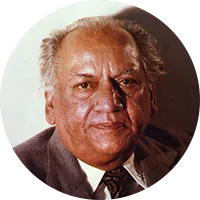
"Hum Dekhenge (Complete Nazm)" (ہم دیکھیں گے لازم ہے کہ ہم بھی دیکھیں گے (مکمل نظم)) was composed by Faiz Ahmed Faiz (فیض احمد فیض). It is a classical nazm celebrated in Urdu literature for its artistic excellence and emotional depth.
The ultimate progressive revolutionary poem of South Asia. Faiz synthesizes Mansoor Al-Hallaj's Sufic proclamation ('Anal-Haqq') with democratic human rights, forecasting that autocratic elites will fall and popular sovereignty will prevail.
Yes, Poetry in Urdu provides complete dual-script access: authentic Nastaliq Urdu calligraphy, line-by-line Roman Urdu transliteration for diaspora readers, English translation, and a difficult vocabulary glossary (Lafz-Nama).
Faiz Ahmed Faiz (1911–1984) was a Nobel Prize-nominated Pakistani poet and intellectual, widely celebrated as the leading voice of progressive Urdu literature. He received the Lenin Peace Prize in 1962.
View Complete Profile & KalamMore verified works to explore