
Couplet #1شعر ۱
لب پہ آتی ہے دعا بن کے میری
زندگی شمع کی صورت ہو خدایا میری
Lab pe aati hai dua ban ke tamanna meri
Zindagi shama ki soorat ho Khudaya meri
Complete NAZM with English Translation, Roman Urdu & Tashreeh
Format: horizontal • Min-Height: 90px
728×90 Desktop Leaderboard / 320×100 Mobile Banner
علامہ محمد اقبال کی یہ تاریخی اور عالمگیر شہرت یافتہ دعائیہ نظم ان کے پہلے اردو شعری مجموعے 'بانگِ درا' (1924ء) کے پہلے حصے میں شامل ہے۔ یہ نظم برصغیر پاک و ہند کے تعلیمی اداروں میں روزانہ صبح کی اسمبلی میں پڑھی جانے والی سب سے مقبول قومی و اخلاقی دعا ہے۔ اقبال نے بچے کے معصوم لبوں سے علم کی روشنی، وطن سے محبت، غریبوں اور کمزوروں کی دستگیری اور برائی سے بچ کر سچائی کی راہ پر چلنے کی آفاقی تمنا کو شمع اور پروانے کی لازوال تمثیل سے روشن کیا ہے۔
Composed in 1902 and published in Allama Iqbal's inaugural Urdu masterwork 'Bang-e-Dra' (1924), 'Bachay Ki Dua' (A Child's Prayer) is an iconic moral and spiritual anthem across the South Asian diaspora. Delivered through the voice of a young seeker, the poem employs evocative Sufic metaphors — the illuminating candle (shama) and the devoted moth (parwana) — to pray for intellectual enlightenment, compassionate service toward the impoverished and elderly, and steadfast moral rectitude.
لب پہ آتی ہے دعا بن کے میری
زندگی شمع کی صورت ہو خدایا میری
Lab pe aati hai dua ban ke tamanna meri
Zindagi shama ki soorat ho Khudaya meri
دور دنیا کا مرے دم سے اندھیرا ہو جائے
ہر جگہ میرے چمکنے سے اجالا ہو جائے
Door duniya ka mere dam se andhera ho jaye
Har jagah mere chamakne se ujala ho jaye
ہو مرے دم سے یونہی میرے وطن کی
جس طرح پھول سے ہوتی ہے کی
Ho mere dam se yunhi mere watan ki zeenat
Jis tarah phool se hoti hai chaman ki zeenat
Format: fluid • Layout: in-article • Min-Height: 250px
Native In-Article Ad (High Engagement between Poetry Stanzas)
زندگی ہو مرے پروانے کی صورت یا رب
علم کی شمع سے ہو مجھ کو محبت یا رب
Zindagi ho mere parwane ki soorat ya Rab
Ilm ki shama se ho mujhko mohabbat ya Rab
ہو مرا کام غریبوں کی کرنا
دردمندوں سے سے محبت کرنا
Ho mera kaam ghareebon ki himayat karna
Dard-mandon se zaeefon se mohabbat karna
مرے اللہ! برائی سے بچانا مجھ کو
نیک جو راہ ہو اس رہ پہ چلانا مجھ کو
Mere Allah! Burai se bachana mujhko
Naik jo raah ho us rah pe chalana mujhko
Lab pe aati hai dua ban ke tamanna meri
Zindagi shama ki soorat ho Khudaya meri

Door duniya ka mere dam se andhera ho jaye
Har jagah mere chamakne se ujala ho jaye

Ho mere dam se yunhi mere watan ki zeenat
Jis tarah phool se hoti hai chaman ki zeenat

Zindagi ho mere parwane ki soorat ya Rab
Ilm ki shama se ho mujhko mohabbat ya Rab

Ho mera kaam ghareebon ki himayat karna
Dard-mandon se zaeefon se mohabbat karna

Mere Allah! Burai se bachana mujhko
Naik jo raah ho us rah pe chalana mujhko
A prayer rises to my lips as my heart's deepest yearning May my life be like an illuminating candle, O Lord! May the darkness of the world be dispelled by my breath May every corner radiate with light through my glow May my existence adorn my beloved homeland Just as blossoms bring radiant beauty to a garden May my life be like that of a devoted moth, O Lord May I be consumed with love for the flame of knowledge May my noble duty be to champion the destitute and weak To love the afflicted, the suffering, and the aged My God! Safeguard me forever from every temptation of evil And guide my footsteps always on the path of righteousness.
A complete, unabridged prayer emphasizing moral altruism, spiritual elevation, national duty, and intellectual thirst. The candle symbolizes spreading enlightenment, while the moth signifies selfless dedication to divine wisdom and truth.
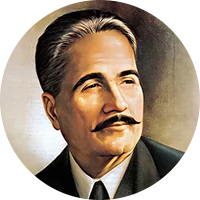
"Lab Pe Aati Hai Dua (Bachay Ki Dua)" (لب پہ آتی ہے دعا بن کے تمنا میری (بچے کی دعا)) was composed by Sir Allama Muhammad Iqbal (علامہ اقبال). It is a classical nazm celebrated in Urdu literature for its artistic excellence and emotional depth.
A complete, unabridged prayer emphasizing moral altruism, spiritual elevation, national duty, and intellectual thirst. The candle symbolizes spreading enlightenment, while the moth signifies selfless dedication to divine wisdom and truth.
Yes, Poetry in Urdu provides complete dual-script access: authentic Nastaliq Urdu calligraphy, line-by-line Roman Urdu transliteration for diaspora readers, English translation, and a difficult vocabulary glossary (Lafz-Nama).
Sir Allama Muhammad Iqbal (1877–1938) was a towering philosopher-poet, scholar, and politician in British India, widely revered as the spiritual founder of Pakistan (Mufakkir-e-Pakistan) and Shair-e-Mashriq (Poet of the East).
View Complete Profile & KalamFormat: horizontal • Min-Height: 90px
728×90 Desktop Leaderboard / 320×100 Mobile Banner