
اردو شاعری

Islamic Poetry in Urdu (حمد، نعت اور روحانی کلام)

1 Curated Works

A venerable collection of devotional Islamic verse, soul-soothing Hamd, Naat, and Allama Iqbal's philosophical poetry on Khudi, moral awakening, and faith. Preserved in authentic Nastaliq text with Roman transliteration.

اسلامی و روحانی شاعری
Advertisement·Ad Choicesاشتہار
Google AdSenseLeaderboard Banner (top)

Format: horizontal • Min-Height: 90px

728×90 Desktop Leaderboard / 320×100 Mobile Banner

Curator's Literary Introduction
ادبی پس منظر و جائزہ

اردو ادب میں اسلامی و روحانی شاعری ایمان، عقیدت اور اخلاقی پاکیزگی کا سرچشمہ ہے۔ بارگاہِ الٰہی میں عاجزانہ حمد، نبی کریم ﷺ کی شانِ اقدس میں روح پرور نعتیں اور علامہ اقبال کا ملتِ اسلامیہ کو خودی اور بیداری کا پیغام اس صنف کو بے پایاں تقدس اور وقار عطا کرتا ہے۔

Islamic and spiritual poetry (اسلامی شاعری) forms the moral and metaphysical backbone of Urdu literature. From exalted Hamd (hymns praising Almighty Allah) and soul-stirring Naat-e-Rasool (ﷺ) celebrating the Holy Prophet to Sufic verses of divine realization and Allama Iqbal's revolutionary calls to the Muslim Ummah, Islamic Urdu verse serves as a beacon of ethical awakening, inner peace, and timeless devotion.

100% Verified Attributions·Published in curated collection of 1 couplets (No thin pages)·Public Domain & Authentic Sources
#1
Complete nazmnazm

لب پہ آتی ہے دعا بن کے میری

زندگی شمع کی صورت ہو خدایا میری

دور دنیا کا مرے دم سے اندھیرا ہو جائے

ہر جگہ میرے چمکنے سے اجالا ہو جائے

(+8 more verses)

Lab pe aati hai dua ban ke tamanna meri

Zindagi shama ki soorat ho Khudaya meri

"A prayer rises to my lips as my heart's deepest yearning"
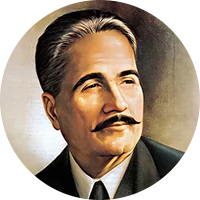
Allama Iqbalعلامہ اقبال
Bang-e-Dra (Bachay Ki Dua), Allama Iqbal (1924)
Advertisement·Ad Choicesاشتہار
Google AdSenseLeaderboard Banner (bottom)

Format: horizontal • Min-Height: 90px

728×90 Desktop Leaderboard / 320×100 Mobile Banner

Frequently Asked Questions (FAQs)

Clear, authoritative answers about Islamic Poetry in Urdu (حمد، نعت اور روحانی کلام)

اکثر پوچھے گئے سوالات

What is the difference between Hamd, Naat, and Manqabat in Urdu poetry?

Hamd (حمد) is poetry dedicated exclusively to the praise and glorification of Allah Almighty. Naat (نعت) is poetry praising the Prophet Muhammad (ﷺ). Manqabat (منقبت) is poetry in praise of the Ahle Bait, companions, or revered Sufi saints.

حمد، نعت اور منقبت میں کیا فرق ہے؟

حمد میں اللہ تعالیٰ کی تعریف و توصیف بیان کی جاتی ہے، نعت میں حضور اکرم ﷺ کی مدح کی جاتی ہے، جبکہ منقبت میں اہل بیت، صحابہ کرام اور اولیاء کرام کی شان بیان کی جاتی ہے۔

What is the central message of Allama Iqbal's Islamic poetry?

Allama Iqbal's Islamic poetry emphasizes Khudi (self-realization), active moral agency, dynamic spiritual evolution, and awakening the collective conscience of Muslims through reliance on faith and reason.

علامہ اقبال کے اسلامی کلام کا مرکزی پیغام کیا ہے؟

علامہ اقبال کے اسلامی کلام کا مرکزی درس 'خودی' کی پہچان، اخلاقی جرات، سچی بیداری اور دینِ حق کی آفاقی تعلیمات پر عمل پیرا ہونا ہے۔

Who are the most celebrated writers of Naat in Urdu literature?

Imam Ahmed Raza Khan Barelvi ('Hada'iq-e-Bakhshish'), Hafeez Jalandhari, Allama Iqbal, and Altaf Hussain Hali are among the most revered composers of classical Urdu Naat.

اردو کے مشہور ترین نعت گو شعراء کون ہیں؟

امام احمد رضا خان بریلوی، مولانا الطاف حسین حالی، علامہ اقبال اور حفیظ جالندھری اردو کے مایہ ناز نعت گو شعراء میں شامل ہیں۔

Explore Other Curated Poetry Collections