
Couplet #1شعر ۱
آ کہ وابستہ ہیں اس حسن کی یادیں تجھ سے
جس نے اس دل کو پری خانہ بنا رکھا تھا
Aa ke waabasta hain us husn ki yaadein tujh se
Jis ne is dil ko pari-khana bana rakha tha
Complete NAZM with English Translation, Roman Urdu & Tashreeh
فیض احمد فیض کی یہ انقلابی اور نفسیاتی نظم اردو کی پوری روایتی شاعری میں ایک منفرد اور تاریخی موڑ ہے۔ کلاسیکی اردو شاعری میں 'رقیب' (سوکن یا حریف) کو ہمیشہ دشمن، ظالم اور قابلِ نفرت کردار سمجھا گیا ہے، لیکن فیض نے تاریخ میں پہلی بار رقیب کو مخاطب کر کے فرمایا ہے کہ چونکہ تم بھی اسی محبوب کے حسن کے اسیر رہے ہو، اس لیے ہم دونوں ایک دوسرے کے دشمن نہیں بلکہ ایک ہی سچے جذبے کے ساتھی ہیں۔ فیض نے ذاتی رقابت کو وسیع تر انسانی دکھ اور طبقاتی شعور میں تبدیل کر دیا ہے۔
Composed by Faiz Ahmed Faiz and published in 'Naqsh-e-Faryadi' (1941), 'Raqeeb Se' (To the Rival) marks a revolutionary departure in South Asian poetry. Rejecting centuries of classical Urdu tradition that depicted the romantic rival (Raqeeb) as an object of hatred, Faiz embraces the rival with empathy: because both shared devotion to the same beauty, they are united in grief and awakened to the broader suffering of humanity.
آ کہ وابستہ ہیں اس حسن کی یادیں تجھ سے
جس نے اس دل کو پری خانہ بنا رکھا تھا
Aa ke waabasta hain us husn ki yaadein tujh se
Jis ne is dil ko pari-khana bana rakha tha
جس کی الفت میں بھلا رکھی تھی دنیا ہم نے
دہر کو دہر کا افسانہ بنا رکھا تھا
Jis ki ulfat mein bhula rakhi thi duniya hum ne
Dahr ko dahr ka afsaana bana rakha tha
تجھ سے بھی دل فریب ہیں غم روزگار کے
تو نے تو دیکھی ہے وہ پیشانی، وہ رخسار، وہ لب
Tujh se bhi dil-fareb hain gham rozgar ke
Tu ne to dekhi hai woh peshani, woh rukhsaar, woh lab
جن کی زردی میں ہے مرے خوابوں کی شکست
جن کے سے دمکتی تھی مری بزمِ طرب
Jin ki zardi mein hai muzmar mere khwabon ki shikast
Jin ke partav se damakti thi meri bazm-e-tarab
ہم نے اس عشق میں کیا کھویا ہے کیا پایا ہے
جز ترے اور کسے درد کا درماں کہیے
Hum ne is ishq mein kya khoya hai kya paaya hai
Juz tere aur kise dard ka darmaan kahiye
آ کہ مل بیٹھ کے اس حسن کے نوحے پڑھ لیں
اب کسے محرمِ اسرارِ دل و جاں کہیے!
Aa ke mil baith ke us husn ke noohay padh lein
Ab kise mehram-e-israar-e-dil-o-jaan kahiye!
Aa ke waabasta hain us husn ki yaadein tujh se
Jis ne is dil ko pari-khana bana rakha tha
Jis ki ulfat mein bhula rakhi thi duniya hum ne
Dahr ko dahr ka afsaana bana rakha tha

Tujh se bhi dil-fareb hain gham rozgar ke
Tu ne to dekhi hai woh peshani, woh rukhsaar, woh lab
Jin ki zardi mein hai muzmar mere khwabon ki shikast
Jin ke partav se damakti thi meri bazm-e-tarab

Hum ne is ishq mein kya khoya hai kya paaya hai
Juz tere aur kise dard ka darmaan kahiye
Aa ke mil baith ke us husn ke noohay padh lein
Ab kise mehram-e-israar-e-dil-o-jaan kahiye!
Come near, for bound to you are the golden memories of that beauty Which had once transformed this aching heart into a fairyland of dreams; In whose devotion I had forgotten the entire mundane world, And turned the universe into a romantic legend of adoration! Yet far more alluring than private romance are the sorrows of human struggle; You too have gazed upon that radiant brow, those blushing cheeks, those tender lips, In whose fading pallor now lies concealed the shattering of all my dreams, From whose radiant reflection my assembly of joy once sparkled bright! What have we lost, and what have we gained in this perilous love? Save to you, to whom else could I confess the shared balm for this pain? Come, let us sit side-by-side and recite elegies for that departed beauty; For who else remains a true confidant to the secrets of my soul and life!
Faiz dismantles romantic rivalry. The rival is the only one who understands the aesthetic divinity of the beloved. By validating shared heartbreak, Faiz bridges personal romance with universal solidarity, culminating in his famous political consciousness.
"Raqeeb Se (Nazm)" (رقیب سے — آ کہ وابستہ ہیں اس حسن کی یادیں تجھ سے) was composed by Faiz Ahmed Faiz (فیض احمد فیض). It is a classical nazm celebrated in Urdu literature for its artistic excellence and emotional depth.
Faiz dismantles romantic rivalry. The rival is the only one who understands the aesthetic divinity of the beloved. By validating shared heartbreak, Faiz bridges personal romance with universal solidarity, culminating in his famous political consciousness.
Yes, Poetry in Urdu provides complete dual-script access: authentic Nastaliq Urdu calligraphy, line-by-line Roman Urdu transliteration for diaspora readers, English translation, and a difficult vocabulary glossary (Lafz-Nama).
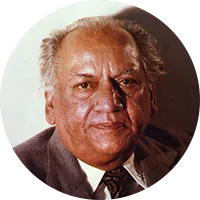
Faiz Ahmed Faiz (1911–1984) was a Nobel Prize-nominated Pakistani poet and intellectual, widely celebrated as the leading voice of progressive Urdu literature. He received the Lenin Peace Prize in 1962.
View Complete Profile & KalamMore verified works to explore