
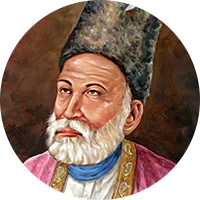
Couplet #1شعر ۱
کوئی امید بر نہیں آتی
کوئی نظر نہیں آتی
Koi umeed bar nahin aati
Koi soorat nazar nahin aati
Complete GHAZAL with English Translation, Roman Urdu & Tashreeh
مرزا اسد اللہ خان غالب کی یہ غزل یاسیت، فلسفۂ موت اور انسانی بے بسی کا ایسا آفاقی نوحہ ہے جس کا ہر شعر انسانی ضمیر کی گہرائیوں میں اتر جاتا ہے۔ غالب نے اس غزل میں امید اور نا امیدی کی کشمکش، موت کے اٹل فیصلے، اور بے خواب راتوں کے عذاب کو انتہائی سادگی اور فصاحت کے ساتھ بیان کیا ہے۔ مقطع میں غالب کا اپنے اوپر طنز کہ 'کعبہ کس منہ سے جاؤ گے غالب / شرم تم کو مگر نہیں آتی' اردو شاعری کی تاریخ کا سب سے مشہور اور مقبول ترین شعر مانا جاتا ہے۔
Composed by Mirza Asadullah Khan Ghalib, this immortal ghazal is one of the most profound philosophical meditations on mortality, existential disillusionment, and sleepless angst in world literature. Written in an unusually simple and restrained cadence, Ghalib explores the inevitability of death, the futility of worldly hopes, and closes with his legendary self-ironizing maqta: 'Kaaba kis munh se jaoge Ghalib / Sharm tum ko magar nahin aati'.
کوئی امید بر نہیں آتی
کوئی نظر نہیں آتی
Koi umeed bar nahin aati
Koi soorat nazar nahin aati
موت کا ایک دن ہے
نیند کیوں رات بھر نہیں آتی
Maut ka ek din mueayyan hai
Neend kyon raat bhar nahin aati
آگے آتی تھی حالِ دل پہ ہنسی
اب کسی بات پر نہیں آتی
Aage aati thi haal-e-dil pe hansi
Ab kisi baat par nahin aati
جانتا ہوں ثوابِ طاعت و زہد
پر طبیعت ادھر نہیں آتی
Jaanta hoon sawab-e-ta'at o zuhd
Par tabeeyat idhar nahin aati
ہے کچھ ایسی ہی بات جو چپ ہوں
ورنہ کیا بات کر نہیں آتی
Hai kuch aisi hi baat jo chup hoon
Warna kya baat kar nahin aati
ہم وہاں ہیں جہاں سے ہم کو بھی
کچھ ہماری خبر نہیں آتی
Hum wahan hain jahan se hum ko bhi
Kuch hamari khabar nahin aati
کعبہ کس منہ سے جاؤ گے غالبؔ
شرم تم کو مگر نہیں آتی
Kaaba kis munh se jaoge Ghalib
Sharm tum ko magar nahin aati
Koi umeed bar nahin aati
Koi soorat nazar nahin aati

Maut ka ek din mueayyan hai
Neend kyon raat bhar nahin aati

Aage aati thi haal-e-dil pe hansi
Ab kisi baat par nahin aati

Jaanta hoon sawab-e-ta'at o zuhd
Par tabeeyat idhar nahin aati

Hai kuch aisi hi baat jo chup hoon
Warna kya baat kar nahin aati

Hum wahan hain jahan se hum ko bhi
Kuch hamari khabar nahin aati

Kaaba kis munh se jaoge Ghalib
Sharm tum ko magar nahin aati
Not a single hope ever comes to fruition Not a single ray of salvation appears in sight. The appointed hour of death is already decreed Why then does tranquil sleep elude me the entire night? Once I used to laugh at the hopeless state of my heart Now no jest or mirth brings laughter to my lips. Well do I know the divine rewards of piety and prayer Yet my restless nature simply does not incline that way. There is a grave constraint that compels my silence Otherwise, do I lack the tongue to speak my mind? I have arrived at a metaphysical realm where even to myself No news or whisper of my own existence returns. With what face will you present yourself at the Kaaba, O Ghalib? When shame, alas, seems never to touch your conscience!
Ghalib exposes existential absurdity and spiritual ambivalence. The poem balances fatalistic acceptance of mortality against the restless human intellect. The closing couplet stands as a monumental masterpiece of self-effacing irony.
"Koi Umeed Bar Nahin Aati (Koi Soorat Nazar Nahin Aati)" (کوئی امید بر نہیں آتی (کوئی صورت نظر نہیں آتی)) was composed by Mirza Asadullah Baig Khan Ghalib (مرزا غالب). It is a classical ghazal celebrated in Urdu literature for its artistic excellence and emotional depth.
Ghalib exposes existential absurdity and spiritual ambivalence. The poem balances fatalistic acceptance of mortality against the restless human intellect. The closing couplet stands as a monumental masterpiece of self-effacing irony.
Yes, Poetry in Urdu provides complete dual-script access: authentic Nastaliq Urdu calligraphy, line-by-line Roman Urdu transliteration for diaspora readers, English translation, and a difficult vocabulary glossary (Lafz-Nama).
Mirza Asadullah Khan Ghalib (1797–1869) was the preeminent classical Urdu and Persian poet of the late Mughal era, widely considered the most influential lyricist in Urdu literature.
View Complete Profile & KalamMore verified works to explore