
Couplet #1شعر ۱
یہ نہ تھی ہماری قسمت کہ وصالِ یار ہوتا
اگر اور جیتے رہتے یہی انتظار ہوتا
Yeh na thi hamari qismat ke wisaal-e-yaar hota
Agar aur jeete rehte yehi intezaar hota
Complete GHAZAL with English Translation, Roman Urdu & Tashreeh
مرزا غالب کی یہ غزل محرومی، تقدیر اور ہجر کے کرب کو اتنی گہرائی اور شائستگی کے ساتھ بیان کرتی ہے کہ اردو شاعری میں اس کا ثانی ملنا محال ہے۔ مطلع ہی سے مایوسی اور تقدیر کی تلخی کو گلے لگانے کا انداز غالب کے مخصوص فکری وقار کی عکاسی کرتا ہے۔ وہ شکایت بھی کرتے ہیں تو لہجے میں جھنجھلاہٹ کے بجائے ایک دھیما، فکری استعجاب اور سوز ہوتا ہے۔
Mirza Ghalib's 'Yeh Na Thi Hamari Qismat' is an immortal monument to unfulfilled destiny and romantic resignation. Rather than giving way to loud lamentation, Ghalib accepts the inevitability of eternal separation with philosophical grace, noting that even if life had lasted for centuries, the agony of waiting would have remained unchanged.
یہ نہ تھی ہماری قسمت کہ وصالِ یار ہوتا
اگر اور جیتے رہتے یہی انتظار ہوتا
Yeh na thi hamari qismat ke wisaal-e-yaar hota
Agar aur jeete rehte yehi intezaar hota
ترے وعدے پر جئے ہم تو یہ جان جھوٹ جانا
کہ خوشی سے مر نہ جاتے اگر اعتبار ہوتا
Tere waade par jiye hum to yeh jaan jhooth jaana
Ke khushi se mar na jaate agar aitbaar hota
تری نازکی سے جانا کہ بندھا تھا عہد بودا
کبھی تو نہ توڑ سکتا اگر ہوتا
Teri naazuki se jaana ke bandha tha ehd boda
Kabhi tu na tod sakta agar ustawaar hota
کوئی میرے دل سے پوچھے ترے تیرِ نیم کش کو
یہ کہاں سے ہوتی جو جگر کے پار ہوتا
Koi mere dil se poochhe tere teer-e-neem kash ko
Yeh khalish kahan se hoti jo jigar ke paar hota
یہ کہاں کی دوستی ہے کہ بنے ہیں دوست
کوئی چارہ ساز ہوتا کوئی غم گسار ہوتا
Yeh kahan ki dosti hai ke bane hain dost naaseh
Koi chaarasaz hota koi ghamgusaar hota
رگِ سنگ سے ٹپکتا وہ لہو کہ پھر نہ تھمتا
جسے غم سمجھ رہے ہو یہ اگر شرار ہوتا
Rag-e-sang se tapakta woh lahu ke phir na thamta
Jise gham samajh rahe ho yeh agar sharaar hota
غم اگرچہ جاں گسل ہے پہ کہاں بچیں کہ دل ہے
غمِ عشق گر نہ ہوتا غمِ روزگار ہوتا
Gham agarche jaan-gusal hai pe kahan bachein ke dil hai
Gham-e-ishq gar na hota gham-e-rozgaar hota
کہوں کس سے میں کہ کیا ہے شبِ غم بری بلا ہے
مجھے کیا برا تھا مرنا اگر ایک بار ہوتا
Kahun kis se main ke kya hai shab-e-gham buri bala hai
Mujhe kya bura tha marna agar aik baar hota
ہوئے مر کے ہم جو رسوا ہوئے کیوں نہ غرقِ دریا
نہ کبھی جنازہ اٹھتا نہ کہیں مزار ہوتا
Hue mar ke hum jo ruswa hue kyun na gharq-e-dariya
Na kabhi janaza uthta na kahin mazaar hota
اسے کون دیکھ سکتا کہ یگانہ ہے وہ یکتا
جو دوئی کی بو بھی ہوتی تو کہیں دو چار ہوتا
Ise kaun dekh sakta ke yagana hai woh yakta
Jo dooi ki boo bhi hoti to kahin do chaar hota
یہ مسائلِ تصوف یہ ترا بیان غالبؔ
تجھے ہم ولی سمجھتے جو نہ بادہ خوار ہوتا
Yeh masail-e-tasawwuf yeh tera bayaan Ghalib
Tujhe hum wali samajhte jo na baada-khwaar hota
Yeh na thi hamari qismat ke wisaal-e-yaar hota
Agar aur jeete rehte yehi intezaar hota

Tere waade par jiye hum to yeh jaan jhooth jaana
Ke khushi se mar na jaate agar aitbaar hota

Teri naazuki se jaana ke bandha tha ehd boda
Kabhi tu na tod sakta agar ustawaar hota

Koi mere dil se poochhe tere teer-e-neem kash ko
Yeh khalish kahan se hoti jo jigar ke paar hota

Yeh kahan ki dosti hai ke bane hain dost naaseh
Koi chaarasaz hota koi ghamgusaar hota

Rag-e-sang se tapakta woh lahu ke phir na thamta
Jise gham samajh rahe ho yeh agar sharaar hota

Gham agarche jaan-gusal hai pe kahan bachein ke dil hai
Gham-e-ishq gar na hota gham-e-rozgaar hota

Kahun kis se main ke kya hai shab-e-gham buri bala hai
Mujhe kya bura tha marna agar aik baar hota

Hue mar ke hum jo ruswa hue kyun na gharq-e-dariya
Na kabhi janaza uthta na kahin mazaar hota

Ise kaun dekh sakta ke yagana hai woh yakta
Jo dooi ki boo bhi hoti to kahin do chaar hota

Yeh masail-e-tasawwuf yeh tera bayaan Ghalib
Tujhe hum wali samajhte jo na baada-khwaar hota
It was never destined to be our fate to achieve union with the beloved; Even if we had lived on for centuries, this very agony of waiting would have endured! If we survived upon your empty promises, know well that we knew them to be false; For would we not have died of sheer ecstatic joy had we truly believed them? From your delicate temperament we understood that your vow was fragile and frail; For you could never have shattered it had it been steadfast and firm! Let someone inquire of my wounded heart about your half-drawn arrow; Whence would this lingering torment come had it pierced completely through the liver? What kind of friendship is this, where friends turn into stern moral advisors? Would that someone had acted as a true healer, would that someone had shared our sorrow! Blood would have dripped ceaselessly from the veins of solid rock, If that which you deem mere grief had flared as a spark of divine fire! Though this grief is soul-devouring, where could we escape when the heart still beats? If it were not the grief of romantic love, it would have been the bitter struggle of livelihood! To whom can I express the truth that the night of sorrow is a dreadful curse? Why would death have troubled me at all had it struck but once and for all? Since we were doomed to be disgraced in death, why were we not drowned in the river? Then no funeral cortege would have risen, nor would any tomb mark our bones! Who could ever behold Him, for He is Peerless, Unique, and One? If there were even a scent of duality in existence, somewhere He would have been encountered face to face! These profound mysteries of Sufi mysticism, and this eloquence of yours, O Ghalib! We would have venerated you as an enlightened saint, had you not been a wine-drinker!
A transcendent summit of Urdu ghazal. Ghalib reconciles heartbreak with cosmic destiny, famously noting that if love does not consume a person, the crushing struggle for economic survival surely will.
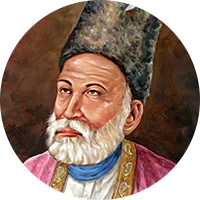
"Yeh Na Thi Hamari Qismat (Complete Ghazal)" (یہ نہ تھی ہماری قسمت کہ وصالِ یار ہوتا (مکمل غزل)) was composed by Mirza Asadullah Baig Khan Ghalib (مرزا غالب). It is a classical ghazal celebrated in Urdu literature for its artistic excellence and emotional depth.
A transcendent summit of Urdu ghazal. Ghalib reconciles heartbreak with cosmic destiny, famously noting that if love does not consume a person, the crushing struggle for economic survival surely will.
Yes, Poetry in Urdu provides complete dual-script access: authentic Nastaliq Urdu calligraphy, line-by-line Roman Urdu transliteration for diaspora readers, English translation, and a difficult vocabulary glossary (Lafz-Nama).
Mirza Asadullah Khan Ghalib (1797–1869) was the preeminent classical Urdu and Persian poet of the late Mughal era, widely considered the most influential lyricist in Urdu literature.
View Complete Profile & KalamMore verified works to explore