
Couplet #1شعر ۱
دیکھ تو دل کہ جاں سے اٹھتا ہے
یہ دھواں سا کہاں سے اٹھتا ہے
Dekh to dil ke jaan se uth-ta hai
Yeh dhuwan sa kahan se uth-ta hai
Complete GHAZAL with English Translation, Roman Urdu & Tashreeh
خدائے سخن میر تقی میر کی یہ غزل دل کے سوز، اندرونی جلن اور مایوسی کا وہ لازوال نوحہ ہے جس کا مطلع 'دیکھ تو دل کہ جاں سے اٹھتا ہے / یہ دھواں سا کہاں سے اٹھتا ہے' اردو شاعری کے سب سے دردناک مصرعوں میں گنا جاتا ہے۔ میر نے اپنے ٹوٹے ہوئے دل اور اجڑی ہوئی دلی کے دکھ کو اس کمال کے ساتھ ایک دھویں اور شعلے کی تمثیل میں پرویا ہے کہ ہر شعر قاری کی روح کو پگھلا دیتا ہے۔ مقطع میں میر عشق کو ایک ایسا بھاری پتھر قرار دیتے ہیں جسے ناتواں عاشق نہیں اٹھا سکتا۔
Composed by Mir Taqi Mir, this hauntingly sorrowful ghazal encapsulates the pure essence of melancholic longing in classical Urdu verse. Its celebrated opening line—'Dekh to dil ke jaan se uth-ta hai / Yeh dhuwan sa kahan se uth-ta hai' (Behold, does it rise from the aching heart or from the dying soul? Whence does this wisp of smoke ascend?)—embodies Mir's tender, unembellished pathos.
دیکھ تو دل کہ جاں سے اٹھتا ہے
یہ دھواں سا کہاں سے اٹھتا ہے
Dekh to dil ke jaan se uth-ta hai
Yeh dhuwan sa kahan se uth-ta hai
گور کس دل جلے کی ہے یہ لحد
شعلہ اک دودِ جہاں سے اٹھتا ہے
Gor kis dil-jale ki hai yeh lahad
Shola ik dood-e-jahan se uth-ta hai
نالہ سر کھینچتا ہے جب میرا
شور اک آسماں سے اٹھتا ہے
Naala sar kheenchtay hai jab mera
Shor ik aasmaan se uth-ta hai
بیٹھنے کون دے ہے پھر اس کو
جو ترے سے اٹھتا ہے
Baithne kaun de hai phir us ko
Jo tere aastaan se uth-ta hai
عشق اک میرؔ بھاری پتھر ہے
کب یہ تجھ سے اٹھتا ہے
Ishq ik Mir bhaari patthar hai
Kab yeh tujh na-tawaan se uth-ta hai
Dekh to dil ke jaan se uth-ta hai
Yeh dhuwan sa kahan se uth-ta hai

Gor kis dil-jale ki hai yeh lahad
Shola ik dood-e-jahan se uth-ta hai

Naala sar kheenchtay hai jab mera
Shor ik aasmaan se uth-ta hai

Baithne kaun de hai phir us ko
Jo tere aastaan se uth-ta hai

Ishq ik Mir bhaari patthar hai
Kab yeh tujh na-tawaan se uth-ta hai
Behold, does it rise from the aching heart, or from the departing soul? Whence does this heavy wisp of smoke ascend into the cold air? Whose burning, heartbroken soul lies buried in this solitary grave, From whose earthen resting place a flame of smoke rises into the world? Whenever my sorrowful lament lifts its agonizing cry, A roaring storm of grief surges to shake the very heavens! Who would ever permit that wretched lover to find rest anywhere, Once he has been exiled and forced to rise from your threshold? Love, O Mir, is an impossibly heavy boulder; How could such a crushing weight ever be lifted by one as frail as you?
Mir personifies grief through somatic and atmospheric imagery: the smoke of a burned heart rising into the sky. In the poignant maqta, he likens 'Ishq' to an impossibly heavy boulder that crushes the fragile mortal lover.
"Dekh To Dil Ke Jaan Se Uth-ta Hai" (دیکھ تو دل کہ جاں سے اٹھتا ہے) was composed by Mir Muhammad Taqi (Mir Taqi Mir) (میر تقی میر). It is a classical ghazal celebrated in Urdu literature for its artistic excellence and emotional depth.
Mir personifies grief through somatic and atmospheric imagery: the smoke of a burned heart rising into the sky. In the poignant maqta, he likens 'Ishq' to an impossibly heavy boulder that crushes the fragile mortal lover.
Yes, Poetry in Urdu provides complete dual-script access: authentic Nastaliq Urdu calligraphy, line-by-line Roman Urdu transliteration for diaspora readers, English translation, and a difficult vocabulary glossary (Lafz-Nama).
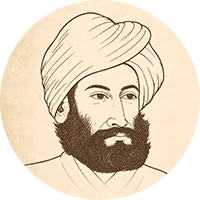
Mir Taqi Mir (1723–1810) was the leading Urdu poet of the 18th century, revered as Khuda-e-Sukhan. He pioneered the classical Urdu ghazal tradition and established its aesthetic standards.
View Complete Profile & KalamMore verified works to explore