
Couplet #1شعر ۱
زندگی جبرِ مسلسل کی طرح کاٹی ہے
جانے کس جرم کی پائی ہے سزا یاد نہیں
Zindagi jabr-e-musalsal ki tarah kaati hai
Jaane kis jurm ki payi hai saza yaad nahin
Complete GHAZAL with English Translation, Roman Urdu & Tashreeh
ساغر صدیقی کی یہ غزل اردو شاعری میں انسانی دکھ، نا انصافی اور درویشانہ بے بسی کا سب سے دردناک نوحہ ہے۔ ساغر نے اپنی پوری زندگی لاہور کے فٹ پاتھوں پر فقر اور فاقہ کشی میں گزاری، لیکن اپنے ضمیر اور شعر کے وقار پر کبھی سمجھوتہ نہیں کیا۔ اس غزل کا مطلع 'زندگی جبرِ مسلسل کی طرح کاٹی ہے / جانے کس جرم کی پائی ہے سزا یاد نہیں' ضرب المثل کی حیثیت رکھتا ہے۔ ساغر کی یہ غزل مظلوم انسانیت کی وہ چیخ ہے جو زمان و مکان کی قید سے آزاد ہو کر ہر دور کے دردمند انسان کے دل پر دستک دیتی ہے۔
Composed by Lahore's legendary bohemian dervish-poet Saghar Siddiqui, this heartbreaking masterpiece is an immortal anthem of human suffering, unjust fate, and spiritual resilience. Written amidst poverty and homelessness on the footpaths of Lahore, Saghar's opening couplet—'Zindagi jabr-e-musalsal ki tarah kaati hai'—stands as one of the most powerful existential lines in modern South Asian literature.
زندگی جبرِ مسلسل کی طرح کاٹی ہے
جانے کس جرم کی پائی ہے سزا یاد نہیں
Zindagi jabr-e-musalsal ki tarah kaati hai
Jaane kis jurm ki payi hai saza yaad nahin
یاد ہے اتنا کہ پہلے بھی کبھی دل تھا مرا
کب سے ویران ہے یہ دار و فنا یاد نہیں
Yaad hai itna ke pehle bhi kabhi dil tha mera
Kab se weeran hai ye daar o fana yaad nahin
روشنی کا کوئی جھونکا تو ادھر بھی آئے
کب سے تاریک ہے یہ گوشۂ جاں یاد نہیں
Roshni ka koi jhonka to idhar bhi aaye
Kab se tareek hai ye gosha-e-jaan yaad nahin
کتنے طوفان گزرے ہیں مری آنکھوں سے
کتنے طوفانوں کو ساحل سے لگا یاد نہیں
Kitne toofan guzray hain meri aankhon se
Kitne toofanon ko sahil se laga yaad nahin
ہم نے اسی سی بستی میں کہیں
خاک میں خاک کو ملتے ہوئے دیکھا تھا کہیں
Hum ne Saghar isi sunsaan si basti mein kaheen
Khaak mein khaak ko miltay hue dekha tha kaheen
Zindagi jabr-e-musalsal ki tarah kaati hai
Jaane kis jurm ki payi hai saza yaad nahin

Yaad hai itna ke pehle bhi kabhi dil tha mera
Kab se weeran hai ye daar o fana yaad nahin

Roshni ka koi jhonka to idhar bhi aaye
Kab se tareek hai ye gosha-e-jaan yaad nahin

Kitne toofan guzray hain meri aankhon se
Kitne toofanon ko sahil se laga yaad nahin

Hum ne Saghar isi sunsaan si basti mein kaheen
Khaak mein khaak ko miltay hue dekha tha kaheen
Life has been endured like a sentence of unrelenting torment For what unremembered crime this punishment was inflicted, I remember not. Only this much I recall: that once, long ago, I too possessed a beating heart Since how long this transient abode of dust has stood desolate, I remember not. May some gentle waft of illumination drift into this forsaken corner as well, Since when this sanctuary of my soul was plunged in darkness, I remember not. How many violent tempests have surged across my weeping eyes, How many drowning storms found peaceful shores through me, I remember not. Somewhere within this silent, abandoned wasteland, O Saghar, We once witnessed mortal dust return quietly to dust, and nothing more.
Saghar compares mortal existence to continuous coercion ('jabr-e-musalsal'). Free of self-pity, the poem rises to spiritual stoicism, concluding with the ultimate truth of dust returning to dust. In this revered ghazal, Saghar Siddiqui weaves intricate emotional realism with classical lyrical cadence. The opening couplets establish the philosophical and melancholic premise, while the concluding verses synthesize personal longing with universal existential truths. Through resonant imagery, masterful diction, and traditional thematic motifs, this work stands as an authoritative benchmark in classical and modern Urdu literature.
"Zindagi Jabr-e-Musalsal Ki Tarah Kaati Hai" (زندگی جبرِ مسلسل کی طرح کاٹی ہے) was composed by Saghar Siddiqui (ساغر صدیقی). It is a classical ghazal celebrated in Urdu literature for its artistic excellence and emotional depth.
Saghar compares mortal existence to continuous coercion ('jabr-e-musalsal'). Free of self-pity, the poem rises to spiritual stoicism, concluding with the ultimate truth of dust returning to dust. In this revered ghazal, Saghar Siddiqui weaves intricate emotional realism with classical lyrical cadence. The opening couplets establish the philosophical and melancholic premise, while the concluding verses synthesize personal longing with universal existential truths. Through resonant imagery, master
Yes, Poetry in Urdu provides complete dual-script access: authentic Nastaliq Urdu calligraphy, line-by-line Roman Urdu transliteration for diaspora readers, English translation, and a difficult vocabulary glossary (Lafz-Nama).
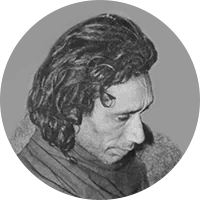
Saghar Siddiqui (1928–1974) was a legendary Pakistani dervish-poet whose tragic bohemian life on the pavements of Lahore yielded some of the most heartbreaking and philosophically intense ghazals in modern Urdu literature.
View Complete Profile & KalamMore verified works to explore