
Couplet #1شعر ۱
چلو اک بار پھر سے اجنبی بن جائیں ہم دونوں
نہ میں تم سے کوئی امید رکھوں دل نوازی کی
Chalo ik baar phir se ajnabi ban jayein hum dono
Na main tum se koi umeed rakhun dil-nawazi ki
Complete NAZM with English Translation, Roman Urdu & Tashreeh
ساحر لدھیانوی کی نظم 'چلو اک بار پھر سے اجنبی بن جائیں ہم دونوں' دنیا کے تمام الم ناک رشتوں اور جدائی کے درد کا سب سے باوقار اور متانت آمیز نغمہ ہے۔ اردو ادب میں جب بھی تعلقات کے الجھاؤ اور باہمی احترام کے ساتھ رخصتی کا ذکر آتا ہے، تو ساحر کے یہ مصرعے انسانی شعور کی بلند ترین سطح قرار پاتے ہیں۔ نفرت اور تلخی کے بجائے باوقار خاموشی سے راستے جدا کرنے کا جو درس اس نظم میں دیا گیا ہے، وہ اسے آفاقی شہرت بخشتا ہے۔
Sahir Ludhianvi's 'Chalo Ek Baar Phir Se Ajnabi Ban Jayein Hum Dono' is considered the definitive Urdu anthem of mature, dignified heartbreak. Instead of descending into bitter recrimination or toxic resentment, Sahir presents the ultimate aesthetic of graceful detachment. He argues that when love ceases to nourish and begins to suffocate, the highest form of respect for what once was is to part ways with poise and mutual dignity.
چلو اک بار پھر سے اجنبی بن جائیں ہم دونوں
نہ میں تم سے کوئی امید رکھوں دل نوازی کی
Chalo ik baar phir se ajnabi ban jayein hum dono
Na main tum se koi umeed rakhun dil-nawazi ki
نہ تم میری طرف دیکھو غلط انداز نظروں سے
نہ میرے دل کی دھڑکن لڑکھڑائے میری باتوں میں
Na tum meri taraf dekho ghalat andaaz nazron se
Na mere dil ki dhadkan ladkhadaaye meri baaton mein
نہ ظاہر ہو تمہاری آنکھ سے رنجِ نہاں کوئی
نہ دل میں چٹکیاں لے آرزوئے دید کا جذبہ
Na zaahir ho tumhari aankh se ranj-e-nihan koi
Na dil mein chutkiyan le aarzu-e-deed ka jazba
تعارف روگ بن جائے تو اس کو بھولنا بہتر
تعلق بوجھ بن جائے تو اس کو توڑنا اچھا
Ta'aruf rog ban jaaye to us ko bhoolna behtar
Ta'alluq bojh ban jaaye to us ko todna achha
وہ افسانہ جسے انجام تک لانا نہ ہو ممکن
اسے اک خوبصورت موڑ دے کر چھوڑنا اچھا
Woh afsaana jise anjaam tak laana na ho mumkin
Usay ik khoobsurat mod de kar chhodna achha
چلو اک بار پھر سے اجنبی بن جائیں ہم دونوں
Chalo ik baar phir se ajnabi ban jayein hum dono
Na main tum se koi umeed rakhun dil-nawazi ki
Na tum meri taraf dekho ghalat andaaz nazron se
Na mere dil ki dhadkan ladkhadaaye meri baaton mein

Na zaahir ho tumhari aankh se ranj-e-nihan koi
Na dil mein chutkiyan le aarzu-e-deed ka jazba
Ta'aruf rog ban jaaye to us ko bhoolna behtar
Ta'alluq bojh ban jaaye to us ko todna achha

Woh afsaana jise anjaam tak laana na ho mumkin
Usay ik khoobsurat mod de kar chhodna achha
Chalo ik baar phir se ajnabi ban jayein hum dono
Come, let us once again become complete strangers to one another; Neither shall I harbor fragile expectations of kindness from your heart, Nor shall you gaze upon me with guarded, awkward glances, Nor shall my pulse falter and tremble within the cadence of my speech. Let no hidden sorrow glisten within the quiet depths of your eyes, Nor let the longing for reunion stir restless pangs within the soul; When acquaintance mutates into an incurable affliction, it is wiser to forget; When a bond turns into a heavy, stifling burden, it is best to set it free. That narrative which can never reach a happy or fulfilling conclusion, Is best graced with a dignified, beautiful parting of paths. Come, let us once again become complete strangers to one another!
This poem is celebrated across modern literature for elevating breakup poetry into a sublime ethical philosophy. In the opening lines, Sahir advocates for emotional neutrality: erasing mutual expectations, nervous body language, and lingering glances, thereby restoring personal peace to both individuals. The second stanza offers timeless psychological wisdom: when connection turns into toxic resentment, continuing out of false obligation only prolongs suffering. True courage lies in clean, mutual release. The famous aphorism in the final stanza—'That tale which cannot reach a fulfilling conclusion / Is best graced with a dignified parting'—has entered colloquial South Asian vernacular as the ultimate definition of emotional maturity.
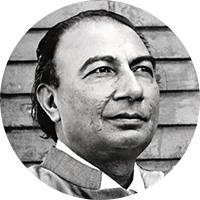
"Chalo Ek Baar Phir Se Ajnabi Ban Jayein Hum Dono" (چلو اک بار پھر سے اجنبی بن جائیں ہم دونوں) was composed by Abdul Hayee (Sahir Ludhianvi) (ساحر لدھیانوی). It is a classical nazm celebrated in Urdu literature for its artistic excellence and emotional depth.
This poem is celebrated across modern literature for elevating breakup poetry into a sublime ethical philosophy. In the opening lines, Sahir advocates for emotional neutrality: erasing mutual expectations, nervous body language, and lingering glances, thereby restoring personal peace to both individuals. The second stanza offers timeless psychological wisdom: when connection turns into toxic resentment, continuing out of false obligation only prolongs suffering. True courage lies in clean, mut
Yes, Poetry in Urdu provides complete dual-script access: authentic Nastaliq Urdu calligraphy, line-by-line Roman Urdu transliteration for diaspora readers, English translation, and a difficult vocabulary glossary (Lafz-Nama).
Sahir Ludhianvi (1921–1980) was a legendary Marxist progressive Urdu poet and lyricist. His revolutionary poetry collections, including 'Talkhiyan', and socially critical cinema songs revolutionized modern South Asian literature.
View Complete Profile & KalamMore verified works to explore