
Couplet #1شعر ۱
یہ کوچے یہ نیلام گھر دلکشی کے
یہ لٹتے ہوئے کارواں زندگی کے
Yeh kooche yeh neelam ghar dilkashi ke
Yeh lutte hue kaarwaan zindagi ke
Complete NAZM with English Translation, Roman Urdu & Tashreeh
ساحر لدھیانوی کی یہ انقلابی اور دل ہلا دینے والی نظم 'چکلے' انسانی ضمیر پر ایک تازیانہ ہے۔ فلم 'پیاسا' (1957ء) میں گورو دت نے اس نظم کو گوا کر امر کر دیا۔ ساحر نے جسم فروشی کے کوٹھوں پر بکنے والی مجبور بیٹیوں کا درد بیان کرتے ہوئے مشرقی تہذیب اور مذہبی ٹھیکیداروں سے سوال کیا کہ جو لوگ مشرق کی پاکیزگی اور غیرت کے گن گاتے ہیں، وہ ان مظلوم عورتوں کی نیلامی کے وقت کہاں مر جاتے ہیں؟
Immortalized in Guru Dutt's classic 1957 cinematic masterpiece 'Pyaasa', 'Chakle' (The Brothels) represents Sahir Ludhianvi's most ferocious assault on societal and moral hypocrisy. Strolling through the red-light district where impoverished women are commodified for survival, Sahir confronts the self-righteous religious and cultural guardians with his scathing refrain: 'Sana khwan-e-taqdees-e-mashriq kahan hain?' (Where are those who chant praises of the East's sacred honor?).
یہ کوچے یہ نیلام گھر دلکشی کے
یہ لٹتے ہوئے کارواں زندگی کے
Yeh kooche yeh neelam ghar dilkashi ke
Yeh lutte hue kaarwaan zindagi ke
کہاں ہیں محافظ کے نسب کے
ثنا خوانِ تقدیسِ مشرق کہاں ہیں
Kahan hain muhaafiz khudi ke nasab ke
Sana khwan-e-taqdees-e-mashriq kahan hain
مدد چاہتی ہے یہ حوا کی بیٹی
یشودھا کی ہم جنس رادھا کی بیٹی
Madad chaahti hai yeh Hawwa ki beti
Yashodha ki hum-jins Radha ki beti
پیغمبر کی امت زلیخا کی بیٹی
ثنا خوانِ تقدیسِ مشرق کہاں ہیں
Paighambar ki ummat Zulaikha ki beti
Sana khwan-e-taqdees-e-mashriq kahan hain
انہیں ننگے جسموں کی بچاؤ
سسکتی جوانی کی قیمت بچاؤ
Inhein nange jismon ki ismat bachao
Sisakti jawani ki qeemat bachao
ثنا خوانِ تقدیسِ مشرق کہاں ہیں
Yeh kooche yeh neelam ghar dilkashi ke
Yeh lutte hue kaarwaan zindagi ke
Kahan hain muhaafiz khudi ke nasab ke
Sana khwan-e-taqdees-e-mashriq kahan hain

Madad chaahti hai yeh Hawwa ki beti
Yashodha ki hum-jins Radha ki beti
Paighambar ki ummat Zulaikha ki beti
Sana khwan-e-taqdees-e-mashriq kahan hain

Inhein nange jismon ki ismat bachao
Sisakti jawani ki qeemat bachao
Sana khwan-e-taqdees-e-mashriq kahan hain
These shadowy alleys, these auction-houses of fleeting charm; These plundered, devastated caravans of human life; Where are the self-appointed guardians of pride and noble lineage? Where are those who chant praises of the East's sacred honor? Pleading for urgent mercy is this daughter of Eve, Kin to Yashoda, the weeping daughter of Radha, From the prophet's flock, the vulnerable daughter of Zulaikha; Where are those who chant praises of the East's sacred honor? Step forward and defend the violated modesty of these naked bodies; Rescue the stolen worth of this sobbing, broken youth; Where are those who chant praises of the East's sacred honor?
Sahir breaks through patriarchal hypocrisy, uniting figures from Hindu and Islamic heritage (Eve, Radha, Yashoda, Zulaikha) to emphasize that exploitation crushes universal humanity. The poem demands that society confront the economic desperation that forces human beings into degradation.
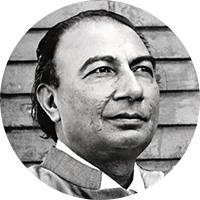
"Sana Khwan-e-Taqdees-e-Mashriq Kahan Hain (Chakle)" (ثنا خوانِ تقدیسِ مشرق کہاں ہیں (چکلے)) was composed by Abdul Hayee (Sahir Ludhianvi) (ساحر لدھیانوی). It is a classical nazm celebrated in Urdu literature for its artistic excellence and emotional depth.
Sahir breaks through patriarchal hypocrisy, uniting figures from Hindu and Islamic heritage (Eve, Radha, Yashoda, Zulaikha) to emphasize that exploitation crushes universal humanity. The poem demands that society confront the economic desperation that forces human beings into degradation.
Yes, Poetry in Urdu provides complete dual-script access: authentic Nastaliq Urdu calligraphy, line-by-line Roman Urdu transliteration for diaspora readers, English translation, and a difficult vocabulary glossary (Lafz-Nama).
Sahir Ludhianvi (1921–1980) was a legendary Marxist progressive Urdu poet and lyricist. His revolutionary poetry collections, including 'Talkhiyan', and socially critical cinema songs revolutionized modern South Asian literature.
View Complete Profile & KalamMore verified works to explore