
Couplet #1شعر ۱
وہ صبح کبھی تو آئے گی
ان کالی صدیوں کے سر سے جب رات کا آنچل ڈھلکے گا
Woh subah kabhi to aayegi
In kaali sadiyon ke sar se jab raat ka aanchal dhalkega
Complete NAZM with English Translation, Roman Urdu & Tashreeh
ساحر لدھیانوی کی یہ نظم مظلوم اور محنت کش طبقے کی امید، خواب اور جدوجہد کا وہ آفاقی نغمہ ہے جس نے پورے برصغیر کے کروڑوں دلوں کو حوصلہ بخشا۔ ساحر نے سرمایہ دارانہ ظلم، غربت، اور صدیوں کے استحصال کے اندھیروں کے درمیان یہ یقین دلایا ہے کہ ایک دن ایسا ضرور آئے گا جب انسان انسان کا استحصال نہیں کرے گا اور ہر چہرے پر خوشی کی کرن مسکرائے گی۔ ساحر کی شاعری میں درد کے ساتھ ساتھ تبدیلی کا جو پختہ یقین ملتا ہے وہ اس نظم کو لازوال بناتا ہے۔
Penned by celebrated progressive poet Sahir Ludhianvi, 'Woh Subah Kabhi To Aayegi' (That Dawn Shall Surely Come Someday) is a sublime humanist anthem of hope amidst deep socioeconomic despair. Sahir envisions a future free from poverty, hunger, and capitalist exploitation, where justice and equality finally crown human struggle.
وہ صبح کبھی تو آئے گی
ان کالی صدیوں کے سر سے جب رات کا آنچل ڈھلکے گا
Woh subah kabhi to aayegi
In kaali sadiyon ke sar se jab raat ka aanchal dhalkega
جب دکھ کے بادل پگھلیں گے، جب سکھ کا ساگر چھلکے گا
جب جھوم کے گائے گا، جب ناچ اٹھائے گی
Jab dukh ke baadal pighlenge, jab sukh ka saagar chhalkega
Jab ambar jhoom ke gaayega, jab dharti naach uthayegi
وہ صبح کبھی تو آئے گی
جس صبح کی خاطر جگ جگ سے ہم سب قربان ہوئے جاتے ہیں
Woh subah kabhi to aayegi
Jis subah ki khaatir jug jug se hum sab qurbaan hue jaate hain
جس صبح کے کی دھن میں زہر کے گھونٹ پیے جاتے ہیں
وہ صبح ہمیں تو نہ مل پائی، پر آنے والی نسلیں پائیں گی
Jis subah ke amrit ki dhun mein zehr ke ghoont piye jaate hain
Woh subah hamein to na mil paayi, par aane wali naslein paayengi
وہ صبح کبھی تو آئے گی!
Woh subah kabhi to aayegi
In kaali sadiyon ke sar se jab raat ka aanchal dhalkega
Jab dukh ke baadal pighlenge, jab sukh ka saagar chhalkega
Jab ambar jhoom ke gaayega, jab dharti naach uthayegi
Woh subah kabhi to aayegi

Jis subah ki khaatir jug jug se hum sab qurbaan hue jaate hain
Jis subah ke amrit ki dhun mein zehr ke ghoont piye jaate hain
Woh subah hamein to na mil paayi, par aane wali naslein paayengi
Woh subah kabhi to aayegi!
That promised dawn shall surely arrive someday! When from the weary brow of these dark centuries, the shroud of night shall slip away; When clouds of human sorrow dissolve, and the ocean of tranquil joy overflows; When the high heavens sway in song, and the liberated earth dances in ecstasy, That promised dawn shall surely arrive someday! For the sake of that very dawn, across countless ages, we continue to sacrifice our lives; In pursuit of the nectar of that dawn, we willingly swallow bitter draughts of poison; Even if that dawn remained denied to us, our coming generations shall inherit its light! That promised dawn shall surely arrive someday!
Sahir presents an altruistic socialist vision. Even if the current generation endures poverty and suffering, their sacrifices pave the road toward an egalitarian dawn inherited by future generations. In this revered nazm, Sahir Ludhianvi weaves intricate emotional realism with classical lyrical cadence. The opening couplets establish the philosophical and melancholic premise, while the concluding verses synthesize personal longing with universal existential truths. Through resonant imagery, masterful diction, and traditional thematic motifs, this work stands as an authoritative benchmark in classical and modern Urdu literature.
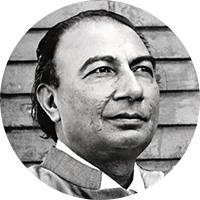
"Woh Subah Kabhi To Aayegi (Nazm)" (وہ صبح کبھی تو آئے گی (نظم)) was composed by Abdul Hayee (Sahir Ludhianvi) (ساحر لدھیانوی). It is a classical nazm celebrated in Urdu literature for its artistic excellence and emotional depth.
Sahir presents an altruistic socialist vision. Even if the current generation endures poverty and suffering, their sacrifices pave the road toward an egalitarian dawn inherited by future generations. In this revered nazm, Sahir Ludhianvi weaves intricate emotional realism with classical lyrical cadence. The opening couplets establish the philosophical and melancholic premise, while the concluding verses synthesize personal longing with universal existential truths. Through resonant imagery, mast
Yes, Poetry in Urdu provides complete dual-script access: authentic Nastaliq Urdu calligraphy, line-by-line Roman Urdu transliteration for diaspora readers, English translation, and a difficult vocabulary glossary (Lafz-Nama).
Sahir Ludhianvi (1921–1980) was a legendary Marxist progressive Urdu poet and lyricist. His revolutionary poetry collections, including 'Talkhiyan', and socially critical cinema songs revolutionized modern South Asian literature.
View Complete Profile & KalamMore verified works to explore