
Couplet #1شعر ۱
لگتا نہیں ہے دل مرا اجڑے دیار میں
کس کی بنی ہے عالمِ ناپائیدار میں
Lagta nahin hai dil mera ujde dayaar mein
Kis ki bani hai aalam-e-na-paayedaar mein
Complete GHAZAL with English Translation, Roman Urdu & Tashreeh
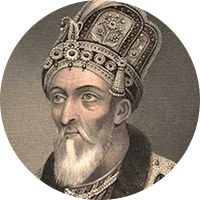
یہ غزل آخری مغل تاجدار بہادر شاہ ظفر کے غم، جلاوطنی اور سلطنتِ مغلیہ کے زوال کا سب سے المناک تاریخی مرثیہ ہے۔ رنگون کی قید میں کہی گئی یہ غزل بے ثباتیِ دنیا، وطن کی جدائی اور بے بسی کی لازوال داستان ہے۔
Composed during his British exile in Burma following the 1857 upheaval, this heartbreaking ghazal by the last Mughal Emperor Bahadur Shah Zafar meditates on the fragility of power, loss of empire, and yearning for his motherland.
لگتا نہیں ہے دل مرا اجڑے دیار میں
کس کی بنی ہے عالمِ ناپائیدار میں
Lagta nahin hai dil mera ujde dayaar mein
Kis ki bani hai aalam-e-na-paayedaar mein
بلبل کو باغباں سے نہ صیاد سے گلہ
قسمت میں قید لکھی تھی فصلِ بہار میں
Bulbul ko baaghbaan se na sayyad se gila
Qismat mein qaid likhi thi fasl-e-bahaar mein
ان حسرتوں سے کہہ دو کہیں اور جا بسیں
اتنی جگہ کہاں ہے دلِ داغدار میں
In hasraton se keh do kahin aur ja basein
Itni jagah kahan hai dil-e-daaghdaar mein
عمرِ دراز مانگ کے لائے تھے چار دن
دو آرزو میں کٹ گئے دو انتظار میں
Umr-e-daraaz maang ke laaye the chaar din
Do aarzoo mein kat gaye do intezaar mein
دن زندگی کے ختم ہوئے شام ہو گئی
پھیلا کے پاؤں سوئیں گے کنجِ مزار میں
Din zindagi ke khatam hue shaam ho gayi
Pheila ke paon soyenge kunj-e-mazaar mein
کتنا ہے بد نصیب ظفرؔ دفن کے لیے
دو گز زمیں بھی نہ ملی کوئے یار میں
Kitna hai badnaseeb Zafar dafan ke liye
Do gaz zameen bhi na mili koo-e-yaar mein
Lagta nahin hai dil mera ujde dayaar mein
Kis ki bani hai aalam-e-na-paayedaar mein

Bulbul ko baaghbaan se na sayyad se gila
Qismat mein qaid likhi thi fasl-e-bahaar mein

In hasraton se keh do kahin aur ja basein
Itni jagah kahan hai dil-e-daaghdaar mein

Umr-e-daraaz maang ke laaye the chaar din
Do aarzoo mein kat gaye do intezaar mein

Din zindagi ke khatam hue shaam ho gayi
Pheila ke paon soyenge kunj-e-mazaar mein

Kitna hai badnaseeb Zafar dafan ke liye
Do gaz zameen bhi na mili koo-e-yaar mein
My heart finds no solace in this ruined homeland; Who has ever found fulfillment in this transient, fleeting world? The nightingale harbors no grievance against the gardener nor the hunter; Imprisonment was written in its destiny even during the blossoming of spring! Tell these unfulfilled longings to dwell somewhere else; Where is there room left in this scar-laden heart? We pleaded for a long life and were granted merely four brief days: Two vanished in desiring, and two were squandered in waiting! The days of life have ended; the twilight has descended; Now I shall stretch out my legs and sleep in the quiet solitude of the grave. How unfortunate is Zafar, that even for burial, He could not find two yards of earth in the lane of his beloved homeland!
A philosophical and historical lament on human helplessness, ephemeral imperial power, and the profound tragedy of dying in exile away from Delhi. In this revered ghazal, Bahadur Shah Zafar weaves intricate emotional realism with classical lyrical cadence. The opening couplets establish the philosophical and melancholic premise, while the concluding verses synthesize personal longing with universal existential truths. Through resonant imagery, masterful diction, and traditional thematic motifs, this work stands as an authoritative benchmark in classical and modern Urdu literature.
"Lagta Nahin Hai Dil Mera Ujde Dayaar Mein" (لگتا نہیں ہے دل مرا اجڑے دیار میں) was composed by Mirza Abu Zafar Siraj-ud-Din Muhammad (Bahadur Shah Zafar) (بہادر شاہ ظفر). It is a classical ghazal celebrated in Urdu literature for its artistic excellence and emotional depth.
A philosophical and historical lament on human helplessness, ephemeral imperial power, and the profound tragedy of dying in exile away from Delhi. In this revered ghazal, Bahadur Shah Zafar weaves intricate emotional realism with classical lyrical cadence. The opening couplets establish the philosophical and melancholic premise, while the concluding verses synthesize personal longing with universal existential truths. Through resonant imagery, masterful diction, and traditional thematic motifs,
Yes, Poetry in Urdu provides complete dual-script access: authentic Nastaliq Urdu calligraphy, line-by-line Roman Urdu transliteration for diaspora readers, English translation, and a difficult vocabulary glossary (Lafz-Nama).
Bahadur Shah Zafar (1775–1862) was the last Mughal Emperor of India. Following the 1857 Uprising, he was exiled to Rangoon by the British, where he penned enduring laments on political tragedy, patriotism, and mortality.
View Complete Profile & KalamMore verified works to explore