
Couplet #1شعر ۱
نہ کسی کی آنکھ کا نور ہوں نہ کسی کے دل کا قرار ہوں
جو کسی کے کام نہ آ سکے میں وہ ایک مشتِ غبار ہوں
Na kisi ki aankh ka noor hoon na kisi ke dil ka qarar hoon
Jo kisi ke kaam na aa sake main woh ek musht-e-ghubar hoon
Complete GHAZAL with English Translation, Roman Urdu & Tashreeh
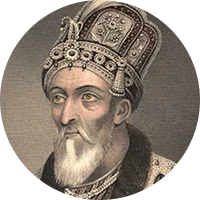
آخری مغل تاجدار بہادر شاہ ظفر کی یہ غزل سلطنت کے زوال، بے وطنی اور ذاتی بے کسی کا وہ تاریخی مرثیہ ہے جس پر تاریخ بھی خون کے آنسو روتی ہے۔ 1857ء کی جنگِ آزادی کی ناکامی کے بعد جب انگریزوں نے ظفر کے شہزادوں کے سر قلم کیے اور خود انہیں رنگون جلاوطن کر دیا، تو ایک تخت و تاج کے مالک بادشاہ کی زبان سے یہ نالہ نکلا کہ 'جو کسی کے کام نہ آ سکے میں وہ ایک مشتِ غبار ہوں'۔ یہ غزل محض ایک شاعر کا شعر نہیں بلکہ مغلیہ سلطنت اور برصغیر کی بربادی کا دائمی کتبہ ہے۔
Attributed to the tragic last Mughal Emperor of India, Bahadur Shah Zafar, this poignant elegy reflects the fall of an empire, exile, and absolute helplessness. Written in exile in Rangoon after the British crushed the 1857 War of Independence, the emperor laments his ruined destiny: 'I am neither the light of anyone's eyes, nor the comfort of anyone's heart / I am merely a fistful of helpless dust that can be of service to no one.'
نہ کسی کی آنکھ کا نور ہوں نہ کسی کے دل کا قرار ہوں
جو کسی کے کام نہ آ سکے میں وہ ایک مشتِ غبار ہوں
Na kisi ki aankh ka noor hoon na kisi ke dil ka qarar hoon
Jo kisi ke kaam na aa sake main woh ek musht-e-ghubar hoon
نہ تو میں کسی کا ہوں نہ تو میں کسی کا رقیب ہوں
جو بگڑ گیا وہ نصیب ہوں جو اجڑ گیا وہ ہوں
Na to main kisi ka habeeb hoon na to main kisi ka raqeeb hoon
Jo bigad gaya woh naseeb hoon jo ujaad gaya woh dayaar hoon
میرا رنگ روپ بگڑ گیا میرا بخت مجھ سے بچھڑ گیا
جو خزاں سے اجڑ گیا میں اسی کی فصلِ بہار ہوں
Mera rang roop bigad gaya mera bakht mujh se bichhad gaya
Jo chaman khazan se ujaad gaya main usi ki fasl-e-bahar hoon
پئے فاتحہ کوئی آئے کیوں کوئی چار پھول چڑھائے کیوں
کوئی شمع لا کے جلائے کیوں میں وہ بے کسی کا مزار ہوں
Paiye fatiha koi aaye kyon koi chaar phool chadhaye kyon
Koi shama la ke jalaye kyon main woh be-kasi ka mazaar hoon
نہ میں نغمہ ہوں نہ میں پردہ ہوں نہ میں ساز ہوں نہ میں سوز ہوں
میں وہ حسرتوں کا مزار ہوں جو بجھا ہوا سا ہوں
Na main naghma hoon na main parda hoon na main saaz hoon na main soz hoon
Main woh hasraton ka mazaar hoon jo bujha hua sa sharar hoon
Na kisi ki aankh ka noor hoon na kisi ke dil ka qarar hoon
Jo kisi ke kaam na aa sake main woh ek musht-e-ghubar hoon

Na to main kisi ka habeeb hoon na to main kisi ka raqeeb hoon
Jo bigad gaya woh naseeb hoon jo ujaad gaya woh dayaar hoon

Mera rang roop bigad gaya mera bakht mujh se bichhad gaya
Jo chaman khazan se ujaad gaya main usi ki fasl-e-bahar hoon

Paiye fatiha koi aaye kyon koi chaar phool chadhaye kyon
Koi shama la ke jalaye kyon main woh be-kasi ka mazaar hoon

Na main naghma hoon na main parda hoon na main saaz hoon na main soz hoon
Main woh hasraton ka mazaar hoon jo bujha hua sa sharar hoon
I am neither the radiant light of anyone's eyes, nor the peace of anyone's heart; I am merely a fistful of wandering dust that can serve no useful purpose to anyone. Neither am I anyone's cherished beloved, nor anyone's bitter rival; I am that ruined destiny which crumbled, that ravaged homeland laid to waste. My countenance and splendor have decayed, my royal fortune has abandoned me; I am like the departed spring of a blossoming garden now devastated by autumn. Why should anyone come to recite prayers for me? Why should anyone lay flowers on my grave? Why should anyone come to kindle a candle? I am the forsaken tomb of absolute helplessness. I am neither a melodious song nor a musical note, neither a sounding lute nor its inner flame; I am the desolate shrine of unfulfilled longings—a spark whose fire has forever died.
Bahadur Shah Zafar channels the ultimate catharsis of fallen royalty. The poem serves as an epitaph not only for an individual monarch dying in foreign exile, but for an entire Mughal civilization extinguished by colonial conquest.
"Na Kisi Ki Aankh Ka Noor Hoon Na Kisi Ke Dil Ka Qarar Hoon" (نہ کسی کی آنکھ کا نور ہوں نہ کسی کے دل کا قرار ہوں) was composed by Mirza Abu Zafar Siraj-ud-Din Muhammad (Bahadur Shah Zafar) (بہادر شاہ ظفر). It is a classical ghazal celebrated in Urdu literature for its artistic excellence and emotional depth.
Bahadur Shah Zafar channels the ultimate catharsis of fallen royalty. The poem serves as an epitaph not only for an individual monarch dying in foreign exile, but for an entire Mughal civilization extinguished by colonial conquest.
Yes, Poetry in Urdu provides complete dual-script access: authentic Nastaliq Urdu calligraphy, line-by-line Roman Urdu transliteration for diaspora readers, English translation, and a difficult vocabulary glossary (Lafz-Nama).
Bahadur Shah Zafar (1775–1862) was the last Mughal Emperor of India. Following the 1857 Uprising, he was exiled to Rangoon by the British, where he penned enduring laments on political tragedy, patriotism, and mortality.
View Complete Profile & KalamMore verified works to explore