
Couplet #1شعر ۱
پر ہیں ان کے گماں کیسے کیسے
کلام آتے ہیں درمیاں کیسے کیسے
Dahan par hain unke guman kaise kaise
Kalam aate hain darmiyan kaise kaise
Complete GHAZAL with English Translation, Roman Urdu & Tashreeh
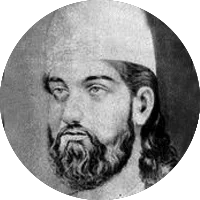
خواجہ حیدر علی آتش دبستانِ لکھنؤ کے سب سے معتبر اور صاحبِ طرز غزل گو شاعر ہیں۔ ان کی اس غزل کا شعر 'زمینِ چمن گل کھلاتی ہے کیا کیا / بدلتا ہے رنگ آسماں کیسے کیسے' اردو ضرب المثل اور محاورے کا درجہ حاصل کر چکا ہے۔ آتش نے اس غزل میں مرصع سازی، زبان کی نفاست اور گردشِ ایام کے فلسفے کو اس مہارت سے یکجا کیا ہے کہ غزل کا ہر شعر زبان زدِ عام ہے۔
Authored by Khwaja Haidar Ali Atish, the master luminary of the Lucknow school of Urdu poetry, this ghazal houses one of the most famous proverbs in South Asian culture: 'Zameen-e-chaman gul khilaati hai kya kya / Badalta hai rang aasmaan kaise kaise' (What wondrous, unpredictable flowers the soil of the garden brings forth; behold the astonishing shifting hues of the celestial sky!).
پر ہیں ان کے گماں کیسے کیسے
کلام آتے ہیں درمیاں کیسے کیسے
Dahan par hain unke guman kaise kaise
Kalam aate hain darmiyan kaise kaise
نہ تھا شہرِ دل اس قدر ویرانہ کبھی
اجڑتے ہیں یوں کیسے کیسے
Na tha shehr-e-dil is qadar veerana kabhi
Ujadte hain yun khaanmaan kaise kaise
زمینِ گل کھلاتی ہے کیا کیا
بدلتا ہے رنگ آسماں کیسے کیسے
Zameen-e-chaman gul khilaati hai kya kya
Badalta hai rang aasmaan kaise kaise
غم و رنج کی داستاں مت سناؤ
بہت سن چکے ہیں بیاں کیسے کیسے
Gham-o-ranj ki daastan mat sunao
Bohat sun chuke hain bayaan kaise kaise
نہ آتشؔ کا اب کوئی پرسانِ حال ہے
گزرتے ہیں اب کارواں کیسے کیسے
Na Atish ka ab koi pursan-e-haal hai
Guzarte hain ab kaarwaan kaise kaise
Dahan par hain unke guman kaise kaise
Kalam aate hain darmiyan kaise kaise

Na tha shehr-e-dil is qadar veerana kabhi
Ujadte hain yun khaanmaan kaise kaise

Zameen-e-chaman gul khilaati hai kya kya
Badalta hai rang aasmaan kaise kaise

Gham-o-ranj ki daastan mat sunao
Bohat sun chuke hain bayaan kaise kaise

Na Atish ka ab koi pursan-e-haal hai
Guzarte hain ab kaarwaan kaise kaise
What delicate imaginings hover around the beloved's petite lips; What exquisite turns of conversation unfold between us! The city of the heart was never so utterly desolate in days gone by; Behold how grand ancestral dwellings are dismantled into ruin! What unpredictable flowers the garden's fertile soil brings forth to bloom! Behold how rapidly the celestial sky changes its astonishing colors! Do not recite to me your familiar tales of grief and anguish; I have already listened to a multitude of such sorrowful laments! No longer does anyone inquire after the weary health of Atish; Behold how majestically the caravans of time march past!
Atish reflects upon the fickle wheel of fortune. The famous couplet on the garden and the changing colors of the sky captures the unpredictability of fate—one moment brings joy, the next ruin. The closing couplet laments the indifference of the passing caravan of worldly companions.
"Dahan Par Hain Unke Guman Kaise Kaise" (دہن پر ہیں ان کے گماں کیسے کیسے) was composed by Khwaja Haidar Ali Atish (خواجہ حیدر علی آتش). It is a classical ghazal celebrated in Urdu literature for its artistic excellence and emotional depth.
Atish reflects upon the fickle wheel of fortune. The famous couplet on the garden and the changing colors of the sky captures the unpredictability of fate—one moment brings joy, the next ruin. The closing couplet laments the indifference of the passing caravan of worldly companions.
Yes, Poetry in Urdu provides complete dual-script access: authentic Nastaliq Urdu calligraphy, line-by-line Roman Urdu transliteration for diaspora readers, English translation, and a difficult vocabulary glossary (Lafz-Nama).
Khwaja Haidar Ali Atish (1778–1848) was one of the two titans of the classical Lucknow school alongside Nasikh, renowned for vibrant verbal opulence, romantic optimism, and soldierly pride.
View Complete Profile & KalamMore verified works to explore