
Couplet #1شعر ۱
فانی جہاں سے کچھ نہ کرے کوئی
اس بے وفا سرائے پہ تکیہ نہ کرے کوئی
Faani jahaan se kuchh na tamanna kare koi
Is be-wafa saraaye pe takiya na kare koi
Complete GHAZAL with English Translation, Roman Urdu & Tashreeh
خواجہ حیدر علی آتش کی یہ قلندرانہ غزل دنیاوی بے ثباتی، قناعت اور توحید کا پر اثر درس ہے۔ آتش لکھنؤ کے درباروں کی پر تعیش فضا میں رہتے ہوئے بھی درویش مزاج تھے، اور انسانوں کے آگے ہاتھ پھیلانے کے بجائے صرف خدا کے در پر جھکنے کی تعلیم دیتے ہیں۔
Faani Jahan Se Kuchh Na Tamanna Kare Koi is Khwaja Haidar Ali Atish's stoic and ascetic ghazal. Warning against reliance on temporal mirages, Atish reminds humanity of mortal equality in the dust and urges complete reliance on God alone.
فانی جہاں سے کچھ نہ کرے کوئی
اس بے وفا سرائے پہ تکیہ نہ کرے کوئی
Faani jahaan se kuchh na tamanna kare koi
Is be-wafa saraaye pe takiya na kare koi
دنیا ہے اک جو پیاسا ہی مار دے
اس کے فریبِ جلوہ پہ مرتا نہ رہے کوئی
Duniya hai ik saraab jo pyaasa hi maar de
Us ke fareeb-e-jalwa pe marta na rahe koi
شاہ و گدا سبھی ہیں یہاں خاک کے
تخت و کلاہ و تاج پہ نہ کرے کوئی
Shaah-o-gada sabhi hain yahan khaak ke aseer
Takht-o-kulaah-o-taaj pe ghurra na kare koi
آتشؔ خدا سے مانگ جو کچھ مانگنا ہے تجھ کو
بندوں کے در پہ دستِ نہ کرے کوئی
Atish Khuda se maang jo kuchh maangna hai tujh ko
Bandon ke dar pe dast-e-tamanna na kare koi
Faani jahaan se kuchh na tamanna kare koi
Is be-wafa saraaye pe takiya na kare koi

Duniya hai ik saraab jo pyaasa hi maar de
Us ke fareeb-e-jalwa pe marta na rahe koi

Shaah-o-gada sabhi hain yahan khaak ke aseer
Takht-o-kulaah-o-taaj pe ghurra na kare koi

Atish Khuda se maang jo kuchh maangna hai tujh ko
Bandon ke dar pe dast-e-tamanna na kare koi
Let no mortal ever harbor expectations from this transient world: Let none place their relying trust upon this unfaithful wayside inn! This mortal world is a deceptive mirage that slays the wanderer of thirst; Let none remain infatuated by the alluring illusions of its outward display! Kings and beggars alike are captive prisoners of humble dust here: Let none puff up with haughty pride over royal thrones, caps, or imperial crowns! Ask of God alone whatever you seek to demand, O Atish: Let no self-respecting soul stretch the begging hand of desire at the doorstep of mortals!
Detachment from a transient world, death humbling kings, and seeking exclusively from God. In this revered ghazal, Khwaja Haidar Ali Atish weaves intricate emotional realism with classical lyrical cadence. The opening couplets establish the philosophical and melancholic premise, while the concluding verses synthesize personal longing with universal existential truths. Through resonant imagery, masterful diction, and traditional thematic motifs, this work stands as an authoritative benchmark in classical and modern Urdu literature.
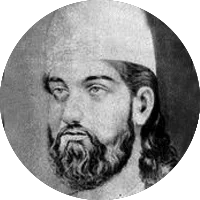
"Faani Jahan Se Kuchh Na Tamanna Kare Koi" (فانی جہاں سے کچھ نہ تمنا کرے کوئی) was composed by Khwaja Haidar Ali Atish (خواجہ حیدر علی آتش). It is a classical ghazal celebrated in Urdu literature for its artistic excellence and emotional depth.
Detachment from a transient world, death humbling kings, and seeking exclusively from God. In this revered ghazal, Khwaja Haidar Ali Atish weaves intricate emotional realism with classical lyrical cadence. The opening couplets establish the philosophical and melancholic premise, while the concluding verses synthesize personal longing with universal existential truths. Through resonant imagery, masterful diction, and traditional thematic motifs, this work stands as an authoritative benchmark in c
Yes, Poetry in Urdu provides complete dual-script access: authentic Nastaliq Urdu calligraphy, line-by-line Roman Urdu transliteration for diaspora readers, English translation, and a difficult vocabulary glossary (Lafz-Nama).
Khwaja Haidar Ali Atish (1778–1848) was one of the two titans of the classical Lucknow school alongside Nasikh, renowned for vibrant verbal opulence, romantic optimism, and soldierly pride.
View Complete Profile & KalamMore verified works to explore