
Couplet #1شعر ۱
سن تو سہی جہاں میں ہے تیرا فسانہ کیا
کہتی ہے تجھ کو خلقِ خدا غائبانہ کیا
Sun to sahi jahan mein hai tera fasana kya
Kehti hai tujh ko khalq-e-khuda ghaibana kya
Complete GHAZAL with English Translation, Roman Urdu & Tashreeh
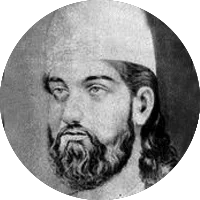
دبستانِ لکھنؤ کے عظیم امام خواجہ حیدر علی آتشؔ (1778–1848) کی یہ غزل خودداری، فلسفۂ وجود اور سماجی منافقت کے خلاف بلند ترین آواز ہے۔ آتشؔ اپنے توانا لہجے، مرصع سازی اور غیر سمجھوتہ پسند طبیعت کے باعث لکھنؤ کے درباری ماحول میں بھی فقیرانہ شان کے ساتھ رہے۔ اس غزل کا مطلع غرور و تکبر کے منہ پر طمانچہ ہے اور انسان کو اس کے اصل مقام کی یاد دلاتا ہے۔
Khwaja Haidar Ali Atish's 'Sun To Sahi Jahan Mein Hai Tera Fasana Kya' is a celebrated masterpiece of the Lucknow school of Urdu poetry. Renowned for his manly vigor, unyielding independence, and avoidance of courtly flattery, Atish addresses humanity with majestic existential interrogatives. The opening couplet punctures narcissistic arrogance by contrasting private pride with the unvarnished judgments of society.
سن تو سہی جہاں میں ہے تیرا فسانہ کیا
کہتی ہے تجھ کو خلقِ خدا غائبانہ کیا
Sun to sahi jahan mein hai tera fasana kya
Kehti hai tujh ko khalq-e-khuda ghaibana kya
آیا ہے کس جہاں سے تو جائے گا کس طرف
سوچا بھی ہے کبھی کہ ترا آشیانہ کیا
Aaya hai kis jahan se tu jaayega kis taraf
Socha bhi hai kabhi ke tera aashiyana kya
حسنِ بتاں نے ہم کو کر دیا
پوچھو نہ اس کا بھلا تازیانہ کیا
Husn-e-butan ne hum ko deewana kar diya
Poochho na is junoon ka bhala taaziyana kya
آتشؔ خموش رہ کہ زمانہ برا ہے اب
کرنا ہے اب کسی سے کوئی دوستانہ کیا
Atish khamosh reh ke zamana bura hai ab
Karna hai ab kisi se koi dostana kya
Sun to sahi jahan mein hai tera fasana kya
Kehti hai tujh ko khalq-e-khuda ghaibana kya

Aaya hai kis jahan se tu jaayega kis taraf
Socha bhi hai kabhi ke tera aashiyana kya

Husn-e-butan ne hum ko deewana kar diya
Poochho na is junoon ka bhala taaziyana kya

Atish khamosh reh ke zamana bura hai ab
Karna hai ab kisi se koi dostana kya
Pause and listen, O proud one, to what legendary tale of you echoes through the world; What does the creation of God say of you behind your back? From which unseen celestial sphere did you arrive, and whither shall you journey? Have you ever truly reflected where your eternal sanctuary resides? The breathtaking beauty of earthly idols has driven us into wild ecstasy; Ask not what relentless whip of passion has driven our wandering spirit! O Atish, maintain quiet silence, for the times have turned treacherous; What profit is there now in seeking companionship with this fickle world?
Atish combines the linguistic elegance of Lucknow with deep moral introspection in this celebrated ghazal. The opening couplet is a powerful challenge to self-delusion: asking the proud ruler or individual to listen to the whisperings of ordinary people when their back is turned. True reputation is forged not by sycophantic courtiers, but by public conscience. The second couplet poses existential questions: where did the human spirit originate, and whither is it bound? Confusing a temporary worldly inn with an eternal home is the tragic flaw of mortal arrogance. The closing maqta delivers a dignified withdrawal from corrupt social circles: recognizing the treachery of the era, the poet advocates for majestic solitude, refusing to barter personal integrity for shallow worldly alliances.
"Sun To Sahi Jahan Mein Hai Tera Fasana Kya" (سن تو سہی جہاں میں ہے تیرا فسانہ کیا) was composed by Khwaja Haidar Ali Atish (خواجہ حیدر علی آتش). It is a classical ghazal celebrated in Urdu literature for its artistic excellence and emotional depth.
Atish combines the linguistic elegance of Lucknow with deep moral introspection in this celebrated ghazal. The opening couplet is a powerful challenge to self-delusion: asking the proud ruler or individual to listen to the whisperings of ordinary people when their back is turned. True reputation is forged not by sycophantic courtiers, but by public conscience. The second couplet poses existential questions: where did the human spirit originate, and whither is it bound? Confusing a temporary wo
Yes, Poetry in Urdu provides complete dual-script access: authentic Nastaliq Urdu calligraphy, line-by-line Roman Urdu transliteration for diaspora readers, English translation, and a difficult vocabulary glossary (Lafz-Nama).
Khwaja Haidar Ali Atish (1778–1848) was one of the two titans of the classical Lucknow school alongside Nasikh, renowned for vibrant verbal opulence, romantic optimism, and soldierly pride.
View Complete Profile & KalamMore verified works to explore