
Couplet #1شعر ۱
بکھرائے ہوئے وہ سرِ بام آئے ہیں
جیسے سورج کے میں وہ شام لائے ہیں
Zulf bikhraaye hue woh sar-e-baam aaye hain
Jaise sooraj ke ta'aqub mein woh shaam laaye hain
Complete GHAZAL with English Translation, Roman Urdu & Tashreeh
خواجہ حیدر علی آتش کی یہ رومانوی غزل سراپا نگاری اور لکھنؤ کی نازک بیانی کا اعلیٰ ترین مرقع ہے۔ محبوب کے چھت پر بال بکھرا کر آنے کو سورج کے بعد شام کے آنے سے تشبیہ دینا تشبیہاتی شاعری کا نادر نمونہ ہے۔
Zulf Bikhraaye Hue Woh Sar-e-Baam Aaye Hain is Khwaja Haidar Ali Atish's quintessential Lucknow romance. Comparing the beloved's dark cascading hair on the balcony to the arrival of evening after sunset, Atish displays sublime aesthetic craftsmanship.
بکھرائے ہوئے وہ سرِ بام آئے ہیں
جیسے سورج کے میں وہ شام لائے ہیں
Zulf bikhraaye hue woh sar-e-baam aaye hain
Jaise sooraj ke ta'aqub mein woh shaam laaye hain
دیکھ کر ان کو گماں ہوتا ہے تصویر کا اب
وہ قیامت کی ادا، وہ مئے گلفام لائے ہیں
Dekh kar un ko gumaan hota hai tasweer ka ab
Woh qayaamat ki ada, woh maye gulfaam laaye hain
ہم تو مدہوش ہوئے ان کے سے فقط
وہ میں عجب گردشِ جام لائے ہیں
Hum to madhosh hue un ke tabassum se faqat
Woh nigaahon mein ajab gardish-e-jaam laaye hain
آتشؔ اس شوخ کا انداز سلامت رہے سدا
جو مری کو اک حسن کا انعام لائے ہیں
Atish us shokh ka andaaz salaamat rahe sada
Jo meri zeest ko ik husn ka inaam laaye hain
Zulf bikhraaye hue woh sar-e-baam aaye hain
Jaise sooraj ke ta'aqub mein woh shaam laaye hain

Dekh kar un ko gumaan hota hai tasweer ka ab
Woh qayaamat ki ada, woh maye gulfaam laaye hain

Hum to madhosh hue un ke tabassum se faqat
Woh nigaahon mein ajab gardish-e-jaam laaye hain

Atish us shokh ka andaaz salaamat rahe sada
Jo meri zeest ko ik husn ka inaam laaye hain
With cascading dark tresses strewn open, upon the rooftop terrace have they appeared: As if trailing in pursuit of the radiant sun, they have brought on the dusk! Gazing upon their exquisite grace, one is deceived into mistaking them for a silent portrait now: That apocalyptic charm of posture, that rose-tinted wine of beauty have they brought! We were rendered utterly intoxicated merely by their fleeting smile; Within their glances, a wondrous intoxicating circulation of the goblet have they brought! May the enchanting charm of that playful beauty remain blessed forever, O Atish: Who has bestowed upon my mortal life the sublime, crowning reward of aesthetic wonder!
Aesthetic splendor of the beloved, cascading tresses like evening dusk, and intoxication from a single smile. In this revered ghazal, Khwaja Haidar Ali Atish weaves intricate emotional realism with classical lyrical cadence. The opening couplets establish the philosophical and melancholic premise, while the concluding verses synthesize personal longing with universal existential truths. Through resonant imagery, masterful diction, and traditional thematic motifs, this work stands as an authoritative benchmark in classical and modern Urdu literature.
"Zulf Bikhraaye Hue Woh Sar-e-Baam Aaye Hain" (زلف بکھرائے ہوئے وہ سرِ بام آئے ہیں) was composed by Khwaja Haidar Ali Atish (خواجہ حیدر علی آتش). It is a classical ghazal celebrated in Urdu literature for its artistic excellence and emotional depth.
Aesthetic splendor of the beloved, cascading tresses like evening dusk, and intoxication from a single smile. In this revered ghazal, Khwaja Haidar Ali Atish weaves intricate emotional realism with classical lyrical cadence. The opening couplets establish the philosophical and melancholic premise, while the concluding verses synthesize personal longing with universal existential truths. Through resonant imagery, masterful diction, and traditional thematic motifs, this work stands as an authorita
Yes, Poetry in Urdu provides complete dual-script access: authentic Nastaliq Urdu calligraphy, line-by-line Roman Urdu transliteration for diaspora readers, English translation, and a difficult vocabulary glossary (Lafz-Nama).
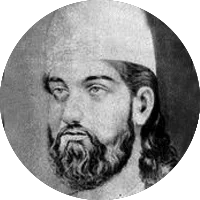
Khwaja Haidar Ali Atish (1778–1848) was one of the two titans of the classical Lucknow school alongside Nasikh, renowned for vibrant verbal opulence, romantic optimism, and soldierly pride.
View Complete Profile & KalamMore verified works to explore
مجھ سے پہلی سی محبت مری محبوب نہ مانگ
Mujhse Pehli Si Mohabbat Meri Mehboob Na Maang — Faiz Ahmed Faiz
ستاروں سے آگے جہاں اور بھی ہیں (مکمل غزل)
Sitaron Se Aage Jahan Aur Bhi Hain (Complete Ghazal) — Allama Iqbal
دلِ ناداں تجھے ہوا کیا ہے (مکمل غزل)
Dil-e-Nadan Tujhe Hua Kya Hai (Complete Ghazal) — Mirza Ghalib