
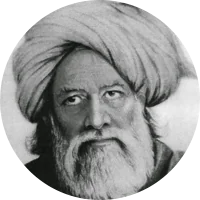
Couplet #1شعر ۱
بلھیا! کی جاناں میں کون
نہ میں مومن وچ مسیت ہاں
Bullah! Ki jaana main kaun
Na main momin vich maseet haan
Complete NAZM with English Translation, Roman Urdu & Tashreeh
حضرت بابا بلھے شاہ (1680–1757) کی کافی 'بلھیا کی جاناں میں کون' تصوف اور انسانی فکر کی تاریخ کا وہ آفاقی سرچشمہ ہے جس نے مذہبی منافقت، فرقہ واریت اور ظاہری رسم و رواج کی دیواروں کو مسمار کر دیا۔ یہ کلام انسان کے باطن، خود شناسی اور وحدت الوجود کا وہ نغمہ ہے جو کسی ایک خطے تک محدود نہیں بلکہ عالمی ادبی اثاثہ مانا جاتا ہے۔ عابدہ پروین، نصرت فتح علی خان اور جنون بینڈ کی پرفارمنسز نے اسے دنیا بھر میں غیر معمولی شہرت بخشی ہے۔
Hazrat Baba Bulleh Shah's iconic Kafi 'Bullah Ki Jaana Main Kaun' (Bullah, What Know I of Who I Am?) is one of the supreme metaphysical manifestos in Sufi literature. Stripping away dogmatic labels of caste, creed, formal ritual, and worldly identity, Bulleh Shah seeks the transcendental self that merges into Divine Unity (Wahdat al-Wujud). The poem challenges sectarian bigotry, asserting that the spiritual soul transcends material elements and dogmatic classifications.
بلھیا! کی جاناں میں کون
نہ میں مومن وچ مسیت ہاں
Bullah! Ki jaana main kaun
Na main momin vich maseet haan
نہ میں وچ کفر دیاں ریت ہاں
نہ میں پاکاں وچ پلیت ہاں
Na main vich kufr diyan reet haan
Na main paakan vich paleet haan
نہ میں موسیٰ نہ فرعون
بلھیا! کی جاناں میں کون
Na main Moosa na Firaun
Bullah! Ki jaana main kaun
نہ میں اندر بید کتاباں
نہ وچ بھنگاں نہ شراباں
Na main andar baid kitaaban
Na vich bhangan na sharaban
نہ وچ مست خراباں
نہ وچ جاگن نہ وچ سون
Na vich rindan mast kharaban
Na vich jaagan na vich saun
بلھیا! کی جاناں میں کون
نہ میں شادی نہ غمناکی
Bullah! Ki jaana main kaun
Na main shaadi na ghamnaaki
نہ میں وچ پلیتی پاکی
نہ میں آبی نہ میں خاکی
Na main vich paleeti paaki
Na main aabi na main khaaki
نہ میں آتش نہ میں پون
بلھیا! کی جاناں میں کون
Na main aatish na main paun
Bullah! Ki jaana main kaun
Bullah! Ki jaana main kaun
Na main momin vich maseet haan
Na main vich kufr diyan reet haan
Na main paakan vich paleet haan
Na main Moosa na Firaun
Bullah! Ki jaana main kaun

Na main andar baid kitaaban
Na vich bhangan na sharaban
Na vich rindan mast kharaban
Na vich jaagan na vich saun
Bullah! Ki jaana main kaun

Na main shaadi na ghamnaaki
Na main vich paleeti paaki
Na main aabi na main khaaki
Na main aatish na main paun
Bullah! Ki jaana main kaun
O Bullah, what know I of who I am? Neither am I a pious believer within the mosque, Nor am I steeped in pagan infidelity; Neither am I tainted amidst the pure, Nor am I Moses, nor am I Pharaoh! O Bullah, what know I of who I am? Neither am I bound within ancient sacred scriptures, Nor contained in intoxicating herbs or cups of wine; Neither amidst wild drunkards lost in ecstatic ruin, Nor am I in restless wakefulness, nor in slumber! O Bullah, what know I of who I am? Neither am I joy, nor am I sorrow, Neither am I pollution, nor immaculate purity; Neither fashioned of water, nor shaped of mortal dust, Neither am I burning fire, nor sweeping wind! O Bullah, what know I of who I am?
Bulleh Shah employs the classical apophatic Sufi method of 'Neti Neti' (Neither this, nor that) to deconstruct false social constructs of the ego. In the first stanza, Bulleh rejects religious sectarianism: he is neither confined to institutional orthodoxy inside the mosque nor aligned with pagan rites. By negating polarity between Moses and Pharaoh, he points to a transcendent spiritual truth beyond historical dogma. The second stanza rejects bookish pedantry as well as hedonistic escapism; true gnosis (Ma'rifat) is neither found in literalist dogma nor drunken revelry, but through direct intuitive realization of the Divine. The final stanza transcends the four classical elements (water, earth, fire, air) and emotional dualities of pleasure and grief. The immortal soul is eternal light, liberated from all physical shackles.
"Bullah Ki Jaana Main Kaun" (بلھیا کی جاناں میں کون (کافی حضرت بابا بلھے شاہ)) was composed by Syed Abdullah Shah Qadri (Baba Bulleh Shah) (بابا بلھے شاہ). It is a classical nazm celebrated in Urdu literature for its artistic excellence and emotional depth.
Bulleh Shah employs the classical apophatic Sufi method of 'Neti Neti' (Neither this, nor that) to deconstruct false social constructs of the ego. In the first stanza, Bulleh rejects religious sectarianism: he is neither confined to institutional orthodoxy inside the mosque nor aligned with pagan rites. By negating polarity between Moses and Pharaoh, he points to a transcendent spiritual truth beyond historical dogma. The second stanza rejects bookish pedantry as well as hedonistic escapism; t
Yes, Poetry in Urdu provides complete dual-script access: authentic Nastaliq Urdu calligraphy, line-by-line Roman Urdu transliteration for diaspora readers, English translation, and a difficult vocabulary glossary (Lafz-Nama).
Syed Abdullah Shah Qadri, known as Bulleh Shah (1680–1757), was a Punjabi Sufi philosopher and poet whose humanist verses advocate love, humility, and spiritual freedom.
View Complete Profile & KalamMore verified works to explore