
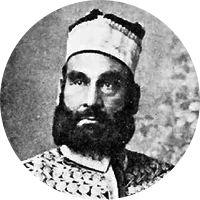
Couplet #1شعر ۱
خاطر سے یا لحاظ سے میں مان تو گیا
جھوٹی قسم سے آپ کا ایمان تو گیا
Khatir se ya lihaz se main maan to gaya
Jhooti qasam se aap ka imaan to گیا
Complete GHAZAL with English Translation, Roman Urdu & Tashreeh
نواب مرزا خان داغ دہلوی کی یہ غزل زبانِ اردو کی شگفتگی، محاورہ بندی اور شوخی کا شاندار مظاہرہ ہے۔ داغ دہلوی کو 'بلبلِ ہند' کہا جاتا ہے کیونکہ ان کا کلام دلی کی ٹکسالی اردو اور برجستہ محاورات کا گنجینہ ہے۔ اس غزل کا مطلع 'خاطر سے یا لحاظ سے میں مان تو گیا / جھوٹی قسم سے آپ کا ایمان تو گیا' برصغیر کے بچے بچے کی زبان پر ہے۔ عاشق محبوب کے جھوٹ کو بھی اس کی دلجوئی کی خاطر تسلیم کر لیتا ہے مگر ساتھ ہی شوخ لہجے میں چوٹ بھی کرتا ہے۔
Composed by Nawab Mirza Khan Dagh Dehlvi ('Bulbul-e-Hind'), this iconic ghazal showcases the peerless colloquial wit, effortless idiom, and flirtatious charm of classical Delhi Urdu. Its celebrated opening couplet—'Khatir se ya lihaz se main maan to gaya / Jhooti qasam se aap ka imaan to gaya'—is universally recognized across South Asia, capturing the sweet irony of accepting the beloved's fabricated excuses merely to spare their feelings.
خاطر سے یا لحاظ سے میں مان تو گیا
جھوٹی قسم سے آپ کا ایمان تو گیا
Khatir se ya lihaz se main maan to gaya
Jhooti qasam se aap ka imaan to گیا
دل لے کے مفت کہتے ہیں کچھ کام کا نہیں
الٹی شکایتوں کا بھی احسان تو گیا
Dil le ke muft kehte hain kuch kaam ka nahin
Ulti shikayaton ka bhi ehsaan to gaya
ڈرتا ہوں دیکھ کر دلِ بے آرزو کو میں
سنسان گھر سے صاحبِ سامان تو گیا
Darta hoon dekh kar dil-e-be-aarzoo ko main
Sunsaan ghar se sahib-e-saaman to gaya
اب کیا ملو گے ہم سے کہ بدنام ہو گئے
وہ دن کہ تم پہ جان تھی قربان تو گیا
Ab kya milo ge hum se ke badnaam ho gaye
Woh din ke tum pe jaan thi qurbaan to gaya
تیرِ یار کا کچھ بھی برا نہیں
پہلو سے دل گیا کہ مرا جان تو گیا
Teer-e-nigah-e-yaar ka kuch bhi bura nahin
Pehloo se dil gaya ke mera jaan to gaya
Khatir se ya lihaz se main maan to gaya
Jhooti qasam se aap ka imaan to گیا

Dil le ke muft kehte hain kuch kaam ka nahin
Ulti shikayaton ka bhi ehsaan to gaya

Darta hoon dekh kar dil-e-be-aarzoo ko main
Sunsaan ghar se sahib-e-saaman to gaya

Ab kya milo ge hum se ke badnaam ho gaye
Woh din ke tum pe jaan thi qurbaan to gaya

Teer-e-nigah-e-yaar ka kuch bhi bura nahin
Pehloo se dil gaya ke mera jaan to gaya
Out of sweet regard or sheer courtesy, I conceded and agreed; Yet by taking that false oath, your honest faith has been surrendered! Taking my heart for free, you complain it is worthless; Even the obligation of your backward grievances has dissolved! I tremble with dread beholding this heart devoid of desire; From this abandoned house, the master of all possessions has departed! Why would you deign to meet me now that scandal has erupted? Those golden days when my very soul was sacrificed for you have gone! No blame rests upon the arrow of the beloved's piercing gaze; From my side, my heart departed, and with it my soul has vanished!
Dagh weaves natural everyday idioms into sparkling poetic brilliance. The lover yields to the beloved's false promises out of affection, yet wittily notes the moral cost of their deceit. Couplet three offers a poignant image: an empty heart devoid of longing is like an abandoned mansion from which the master has departed.
"Khatir Se Ya Lihaz Se Main Maan To Gaya" (خاطر سے یا لحاظ سے میں مان تو گیا جھوٹی قسم سے آپ کا ایمان تو گیا) was composed by Nawab Mirza Khan Dagh Dehlvi (داغ دہلوی). It is a classical ghazal celebrated in Urdu literature for its artistic excellence and emotional depth.
Dagh weaves natural everyday idioms into sparkling poetic brilliance. The lover yields to the beloved's false promises out of affection, yet wittily notes the moral cost of their deceit. Couplet three offers a poignant image: an empty heart devoid of longing is like an abandoned mansion from which the master has departed.
Yes, Poetry in Urdu provides complete dual-script access: authentic Nastaliq Urdu calligraphy, line-by-line Roman Urdu transliteration for diaspora readers, English translation, and a difficult vocabulary glossary (Lafz-Nama).
Nawab Mirza Khan Dagh Dehlvi (1831–1905) was an extraordinary classical Urdu poet celebrated as the supreme master of conversational Urdu idiom, witty romanticism, and lyrical simplicity.
View Complete Profile & KalamMore verified works to explore
مجھ سے پہلی سی محبت مری محبوب نہ مانگ
Mujhse Pehli Si Mohabbat Meri Mehboob Na Maang — Faiz Ahmed Faiz
ستاروں سے آگے جہاں اور بھی ہیں (مکمل غزل)
Sitaron Se Aage Jahan Aur Bhi Hain (Complete Ghazal) — Allama Iqbal
دلِ ناداں تجھے ہوا کیا ہے (مکمل غزل)
Dil-e-Nadan Tujhe Hua Kya Hai (Complete Ghazal) — Mirza Ghalib