
Couplet #1شعر ۱
وہ عشق میں پائے ہیں کہ جی جانتا ہے
رنج بھی اتنے اٹھائے ہیں کہ جی جانتا ہے
Lutf woh ishq mein paaye hain ke jee jaanta hai
Ranj bhi itne uthaye hain ke jee jaanta hai
Complete GHAZAL with English Translation, Roman Urdu & Tashreeh
نواب مرزا خان داغ دہلوی کی یہ غزل اردو زبان کے روزمرہ، محاورے اور شوخ عاشقانہ لہجے کا بے مثل نمونہ ہے۔ داغ نے اس غزل میں یہ منفرد نکتہ اٹھایا ہے کہ عشق کا سارا لطف اور سوز دراصل ہجر، تڑپ اور انتظار میں پنہاں ہے؛ اگر وصالِ محبوب اتنی آسانی سے حاصل ہو جاتا تو عشق کی وہ لذت اور کشش ہی ختم ہو جاتی جو عاشق کے دل کو گرماتی ہے۔ داغ کی شستہ زبان اور بے ساختہ روانی اس غزل کو زبان زدِ عام بناتی ہے۔
Penned by Nawab Mirza Khan Dagh Dehlvi, this celebrated ghazal is an unmatched showcase of conversational Delhi idiom (Rozmarrah) and witty romantic psychology. Dagh provocatively argues that the true thrill, passion, and artistic beauty of love reside within longing and separation; had the lovers' reunion (visal) been easily attained, the ecstatic drama of passion would have dissolved.
وہ عشق میں پائے ہیں کہ جی جانتا ہے
رنج بھی اتنے اٹھائے ہیں کہ جی جانتا ہے
Lutf woh ishq mein paaye hain ke jee jaanta hai
Ranj bhi itne uthaye hain ke jee jaanta hai
جو زمانے کے ستم ہیں وہ گوارا ہیں ہمیں
دل پہ وہ زخم بھی کھائے ہیں کہ جی جانتا ہے
Jo zamane ke sitam hain woh gawara hain hamein
Dil pe woh zakhm bhi khaaye hain ke jee jaanta hai
عجب اپنا حال ہوتا جو وصالِ یار ہوتا
کبھی جان صدقے ہوتی کبھی دل ہوتا
Ajab apna haal hota jo visal-e-yaar hota
Kabhi jaan sadqay hoti kabhi dil nisaar hota
نہ مزا ہے دشمنی میں نہ ہے دوستی میں
کوئی غیر غیر ہوتا کوئی یار یار ہوتا
Na maza hai dushmani mein na hai lutf dosti mein
Koi ghair ghair hota koi yaar yaar hota
نہ وہ لطفِ رہتا نہ یہ سوزِ رہتا
جو ہماری داغؔ قسمت میں قرار و بار ہوتا
Na woh lutf-e-wasl rehta na yeh soz-e-hijr rehta
Jo hamari Dagh qismat mein qarar o baar hota
Lutf woh ishq mein paaye hain ke jee jaanta hai
Ranj bhi itne uthaye hain ke jee jaanta hai

Jo zamane ke sitam hain woh gawara hain hamein
Dil pe woh zakhm bhi khaaye hain ke jee jaanta hai

Ajab apna haal hota jo visal-e-yaar hota
Kabhi jaan sadqay hoti kabhi dil nisaar hota

Na maza hai dushmani mein na hai lutf dosti mein
Koi ghair ghair hota koi yaar yaar hota

Na woh lutf-e-wasl rehta na yeh soz-e-hijr rehta
Jo hamari Dagh qismat mein qarar o baar hota
Such exquisite ecstasies have I tasted in love as only my soul comprehends Yet such agonizing griefs have I endured as only my aching heart knows. All the cruel tyrannies of the world are willingly borne by me For such deep wounds have I sustained upon my heart as only my soul knows. What an astonishing state mine would have been had I united with my beloved! At times my soul would be sacrificed, at times my entire heart surrendered. There is neither thrill left in enmity nor any sweetness remaining in friendship Would that a rival were truly a rival, and a friend truly a steadfast friend! Neither the bliss of reunion would remain, nor this sweet burning ache of parting Had tranquil peace and ease ever been ordained in Dagh's destined fate.
Dagh harmonizes the paradox of romance: that suffering and bliss are inseparable twins in romantic passion. The rhythmic refrain ('jee jaanta hai') and balanced meter reflect his effortless musicality. In this revered ghazal, Dagh Dehlvi weaves intricate emotional realism with classical lyrical cadence. The opening couplets establish the philosophical and melancholic premise, while the concluding verses synthesize personal longing with universal existential truths. Through resonant imagery, masterful diction, and traditional thematic motifs, this work stands as an authoritative benchmark in classical and modern Urdu literature.
"Ajab Apna Haal Hota Jo Visal-e-Yaar Hota" (عجب اپنا حال ہوتا جو وصالِ یار ہوتا (لطف وہ عشق میں پائے ہیں)) was composed by Nawab Mirza Khan Dagh Dehlvi (داغ دہلوی). It is a classical ghazal celebrated in Urdu literature for its artistic excellence and emotional depth.
Dagh harmonizes the paradox of romance: that suffering and bliss are inseparable twins in romantic passion. The rhythmic refrain ('jee jaanta hai') and balanced meter reflect his effortless musicality. In this revered ghazal, Dagh Dehlvi weaves intricate emotional realism with classical lyrical cadence. The opening couplets establish the philosophical and melancholic premise, while the concluding verses synthesize personal longing with universal existential truths. Through resonant imagery, mast
Yes, Poetry in Urdu provides complete dual-script access: authentic Nastaliq Urdu calligraphy, line-by-line Roman Urdu transliteration for diaspora readers, English translation, and a difficult vocabulary glossary (Lafz-Nama).
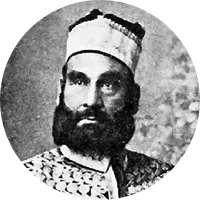
Nawab Mirza Khan Dagh Dehlvi (1831–1905) was an extraordinary classical Urdu poet celebrated as the supreme master of conversational Urdu idiom, witty romanticism, and lyrical simplicity.
View Complete Profile & KalamMore verified works to explore
مجھ سے پہلی سی محبت مری محبوب نہ مانگ
Mujhse Pehli Si Mohabbat Meri Mehboob Na Maang — Faiz Ahmed Faiz
دلِ ناداں تجھے ہوا کیا ہے (مکمل غزل)
Dil-e-Nadan Tujhe Hua Kya Hai (Complete Ghazal) — Mirza Ghalib
ہزاروں خواہشیں ایسی کہ ہر خواہش پہ دم نکلے (مکمل غزل)
Hazaron Khwahishen Aisi (Complete Ghazal) — Mirza Ghalib