
Couplet #1شعر ۱
ہزاروں خواہشیں ایسی کہ ہر خواہش پہ دم نکلے
بہت نکلے مرے لیکن پھر بھی کم نکلے
Hazaron khwahishen aisi ke har khwahish pe dam nikle
Bahut nikle mere armaan lekin phir bhi kam nikle
Complete GHAZAL with English Translation, Roman Urdu & Tashreeh
Format: horizontal • Min-Height: 90px
728×90 Desktop Leaderboard / 320×100 Mobile Banner
مرزا غالب کی یہ غزل انسانی آرزوؤں، حسرتوں اور زندگی کی ناتمام تمناؤں کا لازوال مرقع ہے۔ مطلع 'ہزاروں خواہشیں ایسی کہ ہر خواہش پہ دم نکلے' اردو زبان کا سب سے زیادہ دہرایا جانے والا مصرع ہے۔ غالب نے اس غزل میں انسانی فطرت کی اس گہری سچائی کو بیان کیا ہے کہ انسان کتنا ہی پا لے، اس کی تشنگی کبھی ختم نہیں ہوتی۔ محبت، فریبِ وفا اور بندگی کا فلسفہ اس غزل میں عروج پر نظر آتا ہے۔
Penned by Mirza Ghalib in the twilight years of the Mughal Empire, this ghazal captures the boundless torment of unfulfilled human desire. Its opening couplet — 'Thousands of desires, each so intense that with every yearning breath escapes' — has transcended literature to become a universal South Asian proverb. Ghalib articulates the paradox of human ambition: how attainment never quenches the soul's insatiable longing.
ہزاروں خواہشیں ایسی کہ ہر خواہش پہ دم نکلے
بہت نکلے مرے لیکن پھر بھی کم نکلے
Hazaron khwahishen aisi ke har khwahish pe dam nikle
Bahut nikle mere armaan lekin phir bhi kam nikle
ڈرے کیوں میرا قاتل کیا رہے گا اس کی گردن پر
وہ خوں جو چشمِ تر سے عمر بھر یوں دم بدم نکلے
Daray kyun mera qaatil kya rahega us ki gardan par
Woh khoon jo chashm-e-tar se umr bhar yun dam-ba-dam nikle
نکلنا سے آدم کا سنتے آئے ہیں لیکن
بہت بے آبرو ہو کر ترے کوچے سے ہم نکلے
Nikalna khuld se Aadam ka sunte aaye hain lekin
Bahut be-aabroo ho kar tere kooche se hum nikle
Format: fluid • Layout: in-article • Min-Height: 250px
Native In-Article Ad (High Engagement between Poetry Stanzas)
بھرم کھل جائے ظالم تیرے قامت کی درازی کا
اگر اس طرۂ پرپیچ و خم کا پیچ و خم نکلے
Bharam khul jaaye zaalim tere qaamat ki daraazi ka
Agar is turra-e-pur-pech-o-kham ka pech-o-kham nikle
مگر لکھوائے کوئی اس کو خط تو ہم سے لکھوائے
فسونِ خرد و زباں تھا جو لب سے دم بدم نکلے
Magar likhwaye koi us ko khat to hum se likhwaye
Fasoon-e-khirad-o-zabaan tha jo lab se dam-ba-dam nikle
ہوئی اس دور میں منسوب مجھ سے بادہ آشامی
پھر اک دن وہ بھی آئے گا کہ مجھ سے جام و جم نکلے
Hui is daur mein mansoob mujh se baada aashaami
Phir ik din woh bhi aayega ke mujh se jaam-o-jam nikle
کہاں میخانے کا دروازہ غالبؔ اور کہاں
پر اتنا جانتے ہیں کل وہ جاتا تھا کہ ہم نکلے
Kahan maikhane ka darwaza Ghalib aur kahan waa'iz
Par itna jaante hain kal woh jaata tha ke hum nikle
Hazaron khwahishen aisi ke har khwahish pe dam nikle
Bahut nikle mere armaan lekin phir bhi kam nikle

Daray kyun mera qaatil kya rahega us ki gardan par
Woh khoon jo chashm-e-tar se umr bhar yun dam-ba-dam nikle

Nikalna khuld se Aadam ka sunte aaye hain lekin
Bahut be-aabroo ho kar tere kooche se hum nikle

Bharam khul jaaye zaalim tere qaamat ki daraazi ka
Agar is turra-e-pur-pech-o-kham ka pech-o-kham nikle

Magar likhwaye koi us ko khat to hum se likhwaye
Fasoon-e-khirad-o-zabaan tha jo lab se dam-ba-dam nikle

Hui is daur mein mansoob mujh se baada aashaami
Phir ik din woh bhi aayega ke mujh se jaam-o-jam nikle

Kahan maikhane ka darwaza Ghalib aur kahan waa'iz
Par itna jaante hain kal woh jaata tha ke hum nikle
Thousands of fervent desires, each so fierce that with every desire life's breath departs Many of my fond longings were fulfilled, yet so few did they still seem! Why should my beloved killer tremble? What guilt shall rest upon their neck For that grief-blood which poured forth ceaselessly from my weeping eyes all my life? We have long heard tales of Adam's expulsion from Paradise, Yet with far greater disgrace and humiliation did we depart from your street! The proud illusion of your towering stature would instantly crumble, O cruel one, If the intricate, serpentine coils of that braided tress were unfurled! If anyone must write a letter to the beloved, let them engage me to write, For words of pure sorcery and passion flow uninterrupted from my lips! In this intolerant era, the sin of wine-drinking was blamed solely on me, Yet a day shall come when my spirit will transcend the legendary cup of Jamshid! Where stands the threshold of the tavern, O Ghalib, and where stands the pious preacher? Yet this much we know: yesterday as he was entering, we were departing!
A sublime exploration of psychological longing. Ghalib compares his expulsion from his beloved's lane to Adam's fall from Eden, while concluding with his signature ironical satire targeting hypocritical moralists. In this revered ghazal, Mirza Ghalib weaves intricate emotional realism with classical lyrical cadence. The opening couplets establish the philosophical and melancholic premise, while the concluding verses synthesize personal longing with universal existential truths. Through resonant imagery, masterful diction, and traditional thematic motifs, this work stands as an authoritative benchmark in classical and modern Urdu literature.
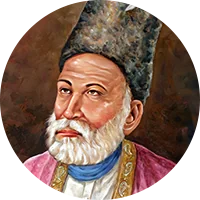
"Hazaron Khwahishen Aisi (Complete Ghazal)" (ہزاروں خواہشیں ایسی کہ ہر خواہش پہ دم نکلے (مکمل غزل)) was composed by Mirza Asadullah Baig Khan Ghalib (مرزا غالب). It is a classical ghazal celebrated in Urdu literature for its artistic excellence and emotional depth.
A sublime exploration of psychological longing. Ghalib compares his expulsion from his beloved's lane to Adam's fall from Eden, while concluding with his signature ironical satire targeting hypocritical moralists. In this revered ghazal, Mirza Ghalib weaves intricate emotional realism with classical lyrical cadence. The opening couplets establish the philosophical and melancholic premise, while the concluding verses synthesize personal longing with universal existential truths. Through resonant
Yes, Poetry in Urdu provides complete dual-script access: authentic Nastaliq Urdu calligraphy, line-by-line Roman Urdu transliteration for diaspora readers, English translation, and a difficult vocabulary glossary (Lafz-Nama).
Mirza Asadullah Khan Ghalib (1797–1869) was the preeminent classical Urdu and Persian poet of the late Mughal era, widely considered the most influential lyricist in Urdu literature.
View Complete Profile & KalamFormat: horizontal • Min-Height: 90px
728×90 Desktop Leaderboard / 320×100 Mobile Banner
More verified works to explore
لب پہ آتی ہے دعا بن کے تمنا میری (بچے کی دعا)
Lab Pe Aati Hai Dua (Bachay Ki Dua) — Allama Iqbal
دلِ ناداں تجھے ہوا کیا ہے (مکمل غزل)
Dil-e-Nadan Tujhe Hua Kya Hai (Complete Ghazal) — Mirza Ghalib
رنجش ہی سہی دل ہی دکھانے کے لیے آ (مکمل غزل)
Ranjish Hi Sahi Dil Hi Dukhane Ke Liye Aa (Complete Ghazal) — Ahmad Faraz