
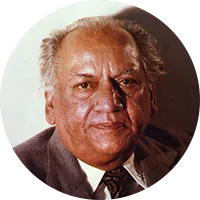
Couplet #1شعر ۱
گلوں میں رنگ بھرے بادِ نوبہار چلے
چلے بھی آؤ کہ گلشن کا کاروبار چلے
Gulon mein rang bhare baad-e-naubahar chale
Chale bhi aao ke gulshan ka karobaar chale
Complete GHAZAL with English Translation, Roman Urdu & Tashreeh
فیض احمد فیض کی یہ غزل اردو کی کلاسیکی عشقیہ اور فکری شاعری کا سب سے دلکش اور سحر انگیز شاہکار مانی جاتی ہے۔ استاد مہدی حسن نے اس غزل کو اپنی مخملی آواز میں گا کر عالمی شہرت بخشی۔ فیض نے اس غزل میں بہار، پھولوں کے کھلنے، اور محبوب کے آنے کے انتظار کو سیاسی اور سماجی آزادی کے استعارے میں اس خوبصورتی سے پرویا ہے کہ ہر شعر سن کر دل جھوم اٹھتا ہے۔ مقطع میں 'مقام فیضؔ کوئی راہ میں جچا ہی نہیں / جو کوئے یار سے نکلے تو سوئے دار چلے' انسانی جدوجہد اور حق پرستی کی لازوال علامت ہے۔
Composed by Faiz Ahmed Faiz and immortalized across continents by the legendary ghazal maestro Mehdi Hassan, 'Gulon Mein Rang Bhare Baad-e-Naubahar Chale' is universally celebrated as one of the supreme achievements of 20th-century Urdu music and poetry. Seamlessly weaving intimate romantic longing with revolutionary hope, Faiz calls for the arrival of the beloved (symbolizing political freedom and justice) so that the vibrant business of the garden of life can truly flourish.
گلوں میں رنگ بھرے بادِ نوبہار چلے
چلے بھی آؤ کہ گلشن کا کاروبار چلے
Gulon mein rang bhare baad-e-naubahar chale
Chale bhi aao ke gulshan ka karobaar chale
اداس ہے یارو سے کچھ تو کہو
کہیں تو بہرِ خدا آج ذکرِ یار چلے
Qafas udaas hai yaaro saba se kuch to kaho
Kaheen to bahr-e-Khuda aaj zikr-e-yaar chale
کبھی تو صبح ترے کنجِ لب سے ہو آغاز
کبھی تو شب سرِ کاکل سے مشکبار چلے
Kabhi to subh tere kunj-e-lab se ho aaghaz
Kabhi to shab sar-e-kaakul se mushkbaar chale
بڑا ہے درد کا رشتہ یہ دل غریب سہی
تمہارے نام پہ آئیں تو چلے
Bada hai dard ka rishta yeh dil ghareeb sahi
Tumhare naam pe aayein to ghamgusar chale
مقام فیضؔ کوئی راہ میں جچا ہی نہیں
جو کوئے یار سے نکلے تو سوئے دار چلے
Maqaam Faiz koi raah mein jacha hi nahin
Jo koo-e-yaar se nikle to soo-e-daar chale
Gulon mein rang bhare baad-e-naubahar chale
Chale bhi aao ke gulshan ka karobaar chale

Qafas udaas hai yaaro saba se kuch to kaho
Kaheen to bahr-e-Khuda aaj zikr-e-yaar chale

Kabhi to subh tere kunj-e-lab se ho aaghaz
Kabhi to shab sar-e-kaakul se mushkbaar chale

Bada hai dard ka rishta yeh dil ghareeb sahi
Tumhare naam pe aayein to ghamgusar chale

Maqaam Faiz koi raah mein jacha hi nahin
Jo koo-e-yaar se nikle to soo-e-daar chale
May blossoms fill with vibrant hues, may the gentle spring breeze blow; Come now at last, my beloved, so that the joyful business of the garden may begin! The cage is sorrowful, my dear companions; speak a word to the morning breeze, That somewhere, for God's sweet sake, the remembrance of the beloved may stir today! May the radiant dawn sometimes find its sweet beginning at the corner of your lips; May the tranquil night sometimes drift musk-scented from the dark waves of your tresses! Boundless is the sacred kinship of shared grief, humble though this poor heart may be; Whenever invoked in your cherished name, loyal sympathizers rushed to comfort my pain! No halfway station on this arduous path ever appealed to the soul of Faiz; When once we departed the beloved's lane, straight to the gallows of truth we marched!
Faiz balances sensual romance with political revolution. The garden represents the oppressed nation awaiting renewal. The iconic closing couplet proclaims that for true lovers and freedom fighters, there is no intermediate resting place: once leaving the beloved's threshold, the only worthy destination is the executioner's gallows for truth.
"Gulon Mein Rang Bhare Baad-e-Naubahar Chale" (گلوں میں رنگ بھرے بادِ نوبہار چلے) was composed by Faiz Ahmed Faiz (فیض احمد فیض). It is a classical ghazal celebrated in Urdu literature for its artistic excellence and emotional depth.
Faiz balances sensual romance with political revolution. The garden represents the oppressed nation awaiting renewal. The iconic closing couplet proclaims that for true lovers and freedom fighters, there is no intermediate resting place: once leaving the beloved's threshold, the only worthy destination is the executioner's gallows for truth.
Yes, Poetry in Urdu provides complete dual-script access: authentic Nastaliq Urdu calligraphy, line-by-line Roman Urdu transliteration for diaspora readers, English translation, and a difficult vocabulary glossary (Lafz-Nama).
Faiz Ahmed Faiz (1911–1984) was a Nobel Prize-nominated Pakistani poet and intellectual, widely celebrated as the leading voice of progressive Urdu literature. He received the Lenin Peace Prize in 1962.
View Complete Profile & KalamMore verified works to explore
مجھ سے پہلی سی محبت مری محبوب نہ مانگ
Mujhse Pehli Si Mohabbat Meri Mehboob Na Maang — Faiz Ahmed Faiz
ستاروں سے آگے جہاں اور بھی ہیں (مکمل غزل)
Sitaron Se Aage Jahan Aur Bhi Hain (Complete Ghazal) — Allama Iqbal
دلِ ناداں تجھے ہوا کیا ہے (مکمل غزل)
Dil-e-Nadan Tujhe Hua Kya Hai (Complete Ghazal) — Mirza Ghalib