
Couplet #1شعر ۱
اب کے ہم بچھڑے تو شاید کبھی خوابوں میں ملیں
جس طرح سوکھے ہوئے پھول کتابوں میں ملیں
Ab ke hum bichde to shayad kabhi khwabon mein milein
Jis tarah sookhe hue phool kitabon mein milein
Complete GHAZAL with English Translation, Roman Urdu & Tashreeh
احمد فراز کی یہ غزل ہجر و فراق کے نوحوں میں سب سے بلند مقام رکھتی ہے۔ جب دو محبت کرنے والے ایسی جدائی کی دہلیز پر کھڑے ہوں جہاں دوبارہ ملنے کی کوئی امید باقی نہ رہے، تو یہ غزل ان کے دل کی آواز بن جاتی ہے۔ سوکھے ہوئے پھولوں کی کتابوں میں ملنے کی تشبیہ نے اس غزل کے مطلع کو اردو ادب میں ہمیشہ کے لیے امر کر دیا۔
Ahmad Faraz's 'Ab Ke Hum Bichde' is an iconic masterpiece of separation (Judai). The poignant simile in the opening couplet — comparing separated lovers meeting only in fleeting dreams to pressed dried flowers found years later in forgotten books — is celebrated as one of the most evocative metaphors in Urdu literature.
اب کے ہم بچھڑے تو شاید کبھی خوابوں میں ملیں
جس طرح سوکھے ہوئے پھول کتابوں میں ملیں
Ab ke hum bichde to shayad kabhi khwabon mein milein
Jis tarah sookhe hue phool kitabon mein milein
ڈھونڈ اجڑے ہوئے لوگوں میں وفا کے موتی
یہ خزانے تجھے ممکن ہے میں ملیں
Dhoond ujde hue logon mein wafa ke moti
Yeh khazane tujhe mumkin hai kharabon mein milein
تو خدا ہے نہ مرا عشق فرشتوں جیسا
دونوں انساں ہیں تو کیوں اتنے میں ملیں
Tu Khuda hai na mera ishq farishton jaisa
Dono insaan hain to kyun itne hijabon mein milein
غمِ دنیا بھی غمِ یار میں شامل کر لو
نشہ بڑھتا ہے شرابیں جو شرابوں میں ملیں
Gham-e-duniya bhi gham-e-yaar mein shaamil kar lo
Nasha barhta hai sharabein jo sharabon mein milein
آج ہم پہ کھینچے گئے جن باتوں پر
کیا عجب کل وہ زمانے کو میں ملیں
Aaj hum daar pe kheenche gaye jin baaton par
Kya ajab kal woh zamane ko nisaabon mein milein
اب نہ وہ میں ہوں نہ تو ہے نہ وہ ماضی ہے فرازؔ
جیسے دو سائے کے میں ملیں
Ab na woh main hun na tu hai na woh maazi hai Faraz
Jaise do saaye tamanna ke saraabon mein milein
Ab ke hum bichde to shayad kabhi khwabon mein milein
Jis tarah sookhe hue phool kitabon mein milein

Dhoond ujde hue logon mein wafa ke moti
Yeh khazane tujhe mumkin hai kharabon mein milein

Tu Khuda hai na mera ishq farishton jaisa
Dono insaan hain to kyun itne hijabon mein milein

Gham-e-duniya bhi gham-e-yaar mein shaamil kar lo
Nasha barhta hai sharabein jo sharabon mein milein

Aaj hum daar pe kheenche gaye jin baaton par
Kya ajab kal woh zamane ko nisaabon mein milein

Ab na woh main hun na tu hai na woh maazi hai Faraz
Jaise do saaye tamanna ke saraabon mein milein
If we part ways now, perhaps we might only meet in dreams, Just as pressed, dried blossoms are discovered inside forgotten books! Seek the pearls of true fidelity among ruined, heartbroken souls; It is possible you may find these rare treasures amid dilapidated ruins! Neither are you God, nor is my mortal love like that of angels; When we are both merely human, why must we meet behind so many veils of hesitation? Blend the sorrow of the world with the poignant sorrow of the beloved; For intoxication intensifies when wines are mixed with other wines! Those revolutionary truths for which we were dragged to the gallows today— What wonder if tomorrow the world encounters them in educational curricula! Neither am I that same person now, nor are you, nor does that past exist, O Faraz; We are merely like two wandering shadows meeting amid the mirages of unfulfilled desire!
A melancholic meditation on irrevocable parting and the ravages of time. Faraz intertwines personal heartbreak with social conscience, famously predicting that ideas persecuted today will become the textbooks of tomorrow.
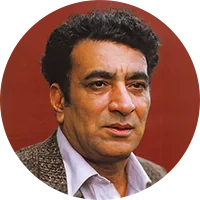
"Ab Ke Hum Bichde To Shayad (Complete Ghazal)" (اب کے ہم بچھڑے تو شاید کبھی خوابوں میں ملیں (مکمل غزل)) was composed by Syed Ahmad Shah (Ahmad Faraz) (احمد فراز). It is a classical ghazal celebrated in Urdu literature for its artistic excellence and emotional depth.
A melancholic meditation on irrevocable parting and the ravages of time. Faraz intertwines personal heartbreak with social conscience, famously predicting that ideas persecuted today will become the textbooks of tomorrow.
Yes, Poetry in Urdu provides complete dual-script access: authentic Nastaliq Urdu calligraphy, line-by-line Roman Urdu transliteration for diaspora readers, English translation, and a difficult vocabulary glossary (Lafz-Nama).
Ahmad Faraz (1931–2008) was a legendary Pakistani Urdu poet celebrated for his passionate romantic verses and fearless stance against military censorship. He received the Hilal-e-Imtiaz and Sitara-e-Imtiaz.
View Complete Profile & KalamMore verified works to explore
مجھ سے پہلی سی محبت مری محبوب نہ مانگ
Mujhse Pehli Si Mohabbat Meri Mehboob Na Maang — Faiz Ahmed Faiz
ستاروں سے آگے جہاں اور بھی ہیں (مکمل غزل)
Sitaron Se Aage Jahan Aur Bhi Hain (Complete Ghazal) — Allama Iqbal
دلِ ناداں تجھے ہوا کیا ہے (مکمل غزل)
Dil-e-Nadan Tujhe Hua Kya Hai (Complete Ghazal) — Mirza Ghalib