
Couplet #1شعر ۱
سلسلے توڑ گیا وہ سبھی جاتے جاتے
ورنہ اتنے تو تھے کہ آتے جاتے
Silsile tod gaya woh sabhi jaate jaate
Warna itne to marasim the ke aate jaate
Complete GHAZAL with English Translation, Roman Urdu & Tashreeh
احمد فراز کی یہ غزل محبت میں بچھڑنے کے غم، بے رخی اور ماضی کے تعلقات کے خاتمے کا وہ دردناک مرثیہ ہے جس کا مطلع 'سلسلے توڑ گیا وہ سبھی جاتے جاتے / ورنہ اتنے تو مراسم تھے کہ آتے جاتے' ہر اداس دل کی داستان بن چکا ہے۔ فراز نے اس غزل میں اس کیفیت کو بیان کیا ہے جہاں دو محبت کرنے والے ایک دوسرے سے اس قدر بے تعلق ہو جاتے ہیں کہ بات چیت کا کوئی رستہ ہی باقی نہیں بچتا۔ فراز کا یہ دھیما اور شائستہ لہجہ جدائی کے درد کو وقار کے ساتھ برداشت کرنے کی بہترین مثال ہے۔
Composed by romantic maestro Ahmad Faraz, this melancholic ghazal captures the quiet agony of total severance at the end of a relationship. The opening couplet—'Silsile tod gaya woh sabhi jaate jaate / Warna itne to marasim the ke aate jaate'—articulates the bitter bewilderment when intimacy dissolves into absolute, chilling estrangement.
سلسلے توڑ گیا وہ سبھی جاتے جاتے
ورنہ اتنے تو تھے کہ آتے جاتے
Silsile tod gaya woh sabhi jaate jaate
Warna itne to marasim the ke aate jaate
شکوۂ جورِ کمیں تھا کہ گلہ تھا دل کا
ہم بھی چپ چاپ رہے وہ بھی سناتے جاتے
Shikwa-e-jaur-e-kameen tha ke gila tha dil ka
Hum bhi chup chaap rahe woh bhi sunate jaate
چھوڑ جانے کا سبب تھا کہ بہانا کوئی
وہ اگر رکتے تو کچھ بات بناتے جاتے
Chhod jaane ka sabab tha ke bahana koi
Woh agar rukte to kuch baat banate jaate
کس قدر سرد تھا اس روز جدائی کا سماں
ہم ترے شہر کے ہر موڑ پہ پچھتاتے جاتے
Kis qadar sard tha us roz judai ka samaan
Hum tere shehr ke har mod pe pachhtate jaate
اب کے تنہائی وہ ٹھہری ہے فرازؔ اپنے لیے
جیسے ہم خود کو بھی اب یاد نہ آتے جاتے
Ab ke tanhai woh thehri hai Faraz apne liye
Jaise hum khud ko bhi ab yaad na aate jaate
Silsile tod gaya woh sabhi jaate jaate
Warna itne to marasim the ke aate jaate

Shikwa-e-jaur-e-kameen tha ke gila tha dil ka
Hum bhi chup chaap rahe woh bhi sunate jaate

Chhod jaane ka sabab tha ke bahana koi
Woh agar rukte to kuch baat banate jaate

Kis qadar sard tha us roz judai ka samaan
Hum tere shehr ke har mod pe pachhtate jaate

Ab ke tanhai woh thehri hai Faraz apne liye
Jaise hum khud ko bhi ab yaad na aate jaate
Departing, the beloved severed every single tie between us; Otherwise, surely enough familiarity remained that we might cross paths now and then. Whether it was an accusation of petty cruelty, or a silent grievance of the aching heart; I remained silently frozen, while grievances were poured out in parting. Was there a genuine reason for leaving, or merely a hollow excuse? Had the departing soul paused, some gentle explanation might have been shaped. How bitterly cold was the chilling air on that fateful day of separation; At every turn of your indifferent city, regret shadowed my weeping steps. Such absolute, desolate solitude has now become my lot, O Faraz, That it feels as though even to my own self, I no longer come to mind!
Faraz paints the psychological landscape of post-breakup estrangement. The poem reflects on the cold finality of departure and ends with existential alienation—becoming a stranger even to one's own reflection. In this revered ghazal, Ahmad Faraz weaves intricate emotional realism with classical lyrical cadence. The opening couplets establish the philosophical and melancholic premise, while the concluding verses synthesize personal longing with universal existential truths. Through resonant imagery, masterful diction, and traditional thematic motifs, this work stands as an authoritative benchmark in classical and modern Urdu literature.
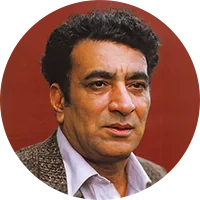
"Silsile Tod Gaya Woh Sabhi Jaate Jaate" (سلسلے توڑ گیا وہ سبھی جاتے جاتے) was composed by Syed Ahmad Shah (Ahmad Faraz) (احمد فراز). It is a classical ghazal celebrated in Urdu literature for its artistic excellence and emotional depth.
Faraz paints the psychological landscape of post-breakup estrangement. The poem reflects on the cold finality of departure and ends with existential alienation—becoming a stranger even to one's own reflection. In this revered ghazal, Ahmad Faraz weaves intricate emotional realism with classical lyrical cadence. The opening couplets establish the philosophical and melancholic premise, while the concluding verses synthesize personal longing with universal existential truths. Through resonant image
Yes, Poetry in Urdu provides complete dual-script access: authentic Nastaliq Urdu calligraphy, line-by-line Roman Urdu transliteration for diaspora readers, English translation, and a difficult vocabulary glossary (Lafz-Nama).
Ahmad Faraz (1931–2008) was a legendary Pakistani Urdu poet celebrated for his passionate romantic verses and fearless stance against military censorship. He received the Hilal-e-Imtiaz and Sitara-e-Imtiaz.
View Complete Profile & KalamMore verified works to explore
مجھ سے پہلی سی محبت مری محبوب نہ مانگ
Mujhse Pehli Si Mohabbat Meri Mehboob Na Maang — Faiz Ahmed Faiz
ستاروں سے آگے جہاں اور بھی ہیں (مکمل غزل)
Sitaron Se Aage Jahan Aur Bhi Hain (Complete Ghazal) — Allama Iqbal
دلِ ناداں تجھے ہوا کیا ہے (مکمل غزل)
Dil-e-Nadan Tujhe Hua Kya Hai (Complete Ghazal) — Mirza Ghalib