
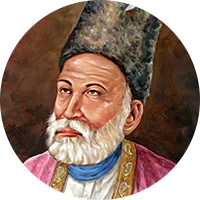
Couplet #1شعر ۱
بازیچۂ اطفال ہے دنیا مرے آگے
ہوتا ہے شب و روز تماشا مرے آگے
Bazicha-e-atfal hai duniya mere aage
Hota hai shab o roz tamasha mere aage
Complete GHAZAL with English Translation, Roman Urdu & Tashreeh
مرزا اسد اللہ خان غالب کی یہ غزل کائنات کی فلسفیانہ بصیرت، دنیاوی فریب اور عارفانہ خود شناسی کی معراج سمجھی جاتی ہے۔ غالب نے اس غزل میں اس دنیا کو بچوں کے کھیل (بازیچۂ اطفال) سے تشبیہ دی ہے جہاں شب و روز محض ایک تماشا برپا رہتا ہے۔ سلیمان کے تخت کی عظمت اور حضرت عیسیٰ کے اعجاز کو اپنے ادراک کے سامنے معمولی قرار دے کر غالب نے انسانی عقل اور انا کو کائناتی رفعتوں سے ہمکنار کیا ہے۔ یہ غزل فکری گہرائی کے اعتبار سے اردو زبان کی عظیم ترین غزلوں میں شمار ہوتی ہے۔
Composed by Mirza Asadullah Khan Ghalib, this cosmic masterpiece is celebrated as one of the ultimate philosophical summits in Urdu literature. Ghalib reduces the pomp of human civilization, royal thrones, and miraculous legends to mere 'children's play' (Bazicha-e-Atfal). Looking upon existence with sublime intellectual detachment, he gazes past illusions of power and glory to examine the core essence of being.
بازیچۂ اطفال ہے دنیا مرے آگے
ہوتا ہے شب و روز تماشا مرے آگے
Bazicha-e-atfal hai duniya mere aage
Hota hai shab o roz tamasha mere aage
اک کھیل ہے اورنگِ سلیماں مرے نزدیک
اک بات ہے اعجازِ مسیحا مرے آگے
Ik khel hai aurang-e-Suleman mere nazdeek
Ik baat hai aijaz-e-Maseeha mere aage
جز نام نہیں صورتِ عالم مجھے منظور
جزو و کل و ہستی کا تماشا مرے آگے
Juz naam nahin soorat-e-aalam mujhe manzoor
Juzv o kul o hasti ka tamasha mere aage
ہوتا ہے نہاں گرد میں صحرا مرے ہوتے
گھستا ہے خاک پہ دریا مرے آگے
Hota hai nihan gard mein sehra mere hote
Ghis-ta hai jabeen khaak pe dariya mere aage
مت پوچھ کہ کیا حال ہے میرا ترے پیچھے
تو دیکھ کہ کیا رنگ ہے تیرا مرے آگے
Mat poochh ke kya haal hai mera tere peechhe
Tu dekh ke kya rang hai tera mere aage
سچ کہتے ہو خودبین و خودآرا ہوں نہ کیوں ہوں
بیٹھا ہے بتِ آئینہ سیما مرے آگے
Sach kehte ho khud-been o khud-aara hoon na kyon hoon
Baitha hai but-e-aaina-seema mere aage
Bazicha-e-atfal hai duniya mere aage
Hota hai shab o roz tamasha mere aage

Ik khel hai aurang-e-Suleman mere nazdeek
Ik baat hai aijaz-e-Maseeha mere aage

Juz naam nahin soorat-e-aalam mujhe manzoor
Juzv o kul o hasti ka tamasha mere aage

Hota hai nihan gard mein sehra mere hote
Ghis-ta hai jabeen khaak pe dariya mere aage

Mat poochh ke kya haal hai mera tere peechhe
Tu dekh ke kya rang hai tera mere aage

Sach kehte ho khud-been o khud-aara hoon na kyon hoon
Baitha hai but-e-aaina-seema mere aage
A mere children's playground is this world before my eyes; Night and day, an empty spectacle unfolds before my eyes! The imperial throne of Solomon is mere child's play in my estimate; A casual occurrence is the life-giving miracle of Christ before my eyes! Except as an empty nominal illusion, I accept not the reality of the cosmos; A passing carnival of parts and wholes is all mortal existence before my eyes! The vast desert conceals itself in swirling dust before my majestic presence; The mighty river rubs its weeping brow upon humble sand before my eyes! Ask not what sorrowful state is mine in your absence; Look rather upon the radiant splendor you acquire when seated before my eyes! Truth you speak indeed, that I am proud and self-adoring—why should I not be? When an idol radiant like a polished silver mirror sits enthroned before my eyes!
Ghalib deconstructs worldly majesty through metaphysical skepticism. Thrones, miracles, and vast landscapes bend before human consciousness. The closing couplet brilliantly plays on mirrors: the poet admires himself only because the radiant beloved is reflected in his soul.
"Bazicha-e-Atfal Hai Duniya Mere Aage" (بازیچۂ اطفال ہے دنیا مرے آگے) was composed by Mirza Asadullah Baig Khan Ghalib (مرزا غالب). It is a classical ghazal celebrated in Urdu literature for its artistic excellence and emotional depth.
Ghalib deconstructs worldly majesty through metaphysical skepticism. Thrones, miracles, and vast landscapes bend before human consciousness. The closing couplet brilliantly plays on mirrors: the poet admires himself only because the radiant beloved is reflected in his soul.
Yes, Poetry in Urdu provides complete dual-script access: authentic Nastaliq Urdu calligraphy, line-by-line Roman Urdu transliteration for diaspora readers, English translation, and a difficult vocabulary glossary (Lafz-Nama).
Mirza Asadullah Khan Ghalib (1797–1869) was the preeminent classical Urdu and Persian poet of the late Mughal era, widely considered the most influential lyricist in Urdu literature.
View Complete Profile & KalamMore verified works to explore