
Couplet #1شعر ۱
حسنِ بے پروا کو خود بین و خود آرا کر دیا
کیا کیا میں نے کہ اظہارِ کر دیا
Husn-e-be-parwa ko khud-been-o-khud-aara kar diya
Kya kiya main ne ke izhaar-e-tamanna kar diya
Complete GHAZAL with English Translation, Roman Urdu & Tashreeh
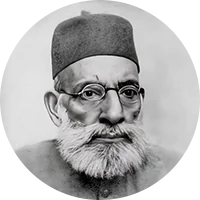
رئیس المتغزلین مولانا حسرتؔ موہانی (1875–1951) کی یہ غزل اردو عشقیہ شاعری کی نزاکت اور نفسیاتی باریکی کا شاہکار نمونہ ہے۔ حسرتؔ جو تحریکِ آزادی کے سرخیل، مجاہدِ آزادی اور 'انقلاب زندہ باد' کا نعرہ دینے والے عظیم سیاسی رہنما تھے، غزل میں خالص اور پاکیزہ تغزل کے امام مانے جاتے ہیں۔ اس غزل میں عاشق کی تعریف سے محبوب کے اندر پیدا ہونے والے غرور اور حسن کے نکھار کو کمال کی لطافت سے پیش کیا گیا ہے۔
Maulana Hasrat Mohani's 'Husn-e-Be-Parwa Ko Khud-Been-o-Khud-Aara Kar Diya' is a dazzling jewel of pure classical lyricism (Taghazzul). While celebrated as a fearless freedom fighter who coined the rallying cry 'Inquilab Zindabad', Hasrat was crowned in literary circles as 'Raees-ul-Mutaghazzilin' (Prince of Ghazal Poets). This poem explores the psychology of courtship: how an impassioned lover's praise awakens latent vanity in a previously innocent and carefree beloved.
حسنِ بے پروا کو خود بین و خود آرا کر دیا
کیا کیا میں نے کہ اظہارِ کر دیا
Husn-e-be-parwa ko khud-been-o-khud-aara kar diya
Kya kiya main ne ke izhaar-e-tamanna kar diya
بڑھ گئیں اور اس کی نازک شوخیاں میرے سبب
اس کو نازک حسن سے نازک تریں پیدا کیا
Badh gayin aur us ki naazuk shokhiyan mere sabab
Us ko naazuk husn se naazuk tareen paida kiya
پہلے وہ انجان تھا اپنی ادائے خاص سے
ہم نے اس کے آئینہ کو اور بھی چمکا دیا
Pehle woh anjaan tha apni ada-e-khaas se
Hum ne us ke aaine ko aur bhi chamka diya
حسرتؔ اب یہ حال ہے دل کا کہ اس کے سامنے
جو چھپانا تھا وہی رازِ دروں افشا کیا
Hasrat ab yeh haal hai dil ka ke us ke saamne
Jo chhupana tha wahi raaz-e-daroon afsha kiya
Husn-e-be-parwa ko khud-been-o-khud-aara kar diya
Kya kiya main ne ke izhaar-e-tamanna kar diya

Badh gayin aur us ki naazuk shokhiyan mere sabab
Us ko naazuk husn se naazuk tareen paida kiya

Pehle woh anjaan tha apni ada-e-khaas se
Hum ne us ke aaine ko aur bhi chamka diya

Hasrat ab yeh haal hai dil ka ke us ke saamne
Jo chhupana tha wahi raaz-e-daroon afsha kiya
I turned carefree, indifferent beauty into a self-admiring, mirror-gazing enchantress; What have I done simply by giving voice to my inner romantic desire? Through my adoration, all her delicate coquettish charms multiplied; I transformed delicate beauty into something exquisite beyond all measure! Before this, she was utterly unaware of her own bewitching grace; It was I who burnished the mirror of her vanity until it gleamed! O Hasrat, such is now the vulnerable state of this helpless heart, That before her very eyes, the exact secret I sought to hide was unveiled!
Hasrat Mohani presents a masterclass in the delicate psychology of mutual enchantment in this beloved ghazal. The opening couplet presents the romantic dilemma: by publicly confessing desire ('Izhaar-e-Tamanna'), the lover inadvertently transformed an unpretentious, carefree beauty ('Husn-e-Be-Parwa') into a proud, mirror-gazing enchantress ('Khud-Been-o-Khud-Aara'). The subsequent verses trace the evolution of coquetry: prior to the lover's ardent praise, the beloved was unaware of her power; it was the lover's adoration that magnified her charms and polished her mirror of self-awareness. The closing maqta captures the helplessness of true passion: attempting to conceal vulnerability in the beloved's presence proves impossible, as the heart's deepest secrets reveal themselves through unguarded glances.
"Husn-e-Be-Parwa Ko Khud-Been-o-Khud-Aara Kar Diya" (حسنِ بے پروا کو خود بین و خود آرا کر دیا) was composed by Maulana Hasrat Mohani (حسرت موہانی). It is a classical ghazal celebrated in Urdu literature for its artistic excellence and emotional depth.
Hasrat Mohani presents a masterclass in the delicate psychology of mutual enchantment in this beloved ghazal. The opening couplet presents the romantic dilemma: by publicly confessing desire ('Izhaar-e-Tamanna'), the lover inadvertently transformed an unpretentious, carefree beauty ('Husn-e-Be-Parwa') into a proud, mirror-gazing enchantress ('Khud-Been-o-Khud-Aara'). The subsequent verses trace the evolution of coquetry: prior to the lover's ardent praise, the beloved was unaware of her power;
Yes, Poetry in Urdu provides complete dual-script access: authentic Nastaliq Urdu calligraphy, line-by-line Roman Urdu transliteration for diaspora readers, English translation, and a difficult vocabulary glossary (Lafz-Nama).
Maulana Hasrat Mohani (1875–1951) was an iconic Indian freedom fighter and romantic poet who revitalized the modern Urdu ghazal with pure lyrical sweetness while fiercely resisting British colonial rule.
View Complete Profile & KalamMore verified works to explore
مجھ سے پہلی سی محبت مری محبوب نہ مانگ
Mujhse Pehli Si Mohabbat Meri Mehboob Na Maang — Faiz Ahmed Faiz
ستاروں سے آگے جہاں اور بھی ہیں (مکمل غزل)
Sitaron Se Aage Jahan Aur Bhi Hain (Complete Ghazal) — Allama Iqbal
دلِ ناداں تجھے ہوا کیا ہے (مکمل غزل)
Dil-e-Nadan Tujhe Hua Kya Hai (Complete Ghazal) — Mirza Ghalib