
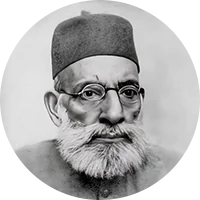
Couplet #1شعر ۱
تری سے ہم نکلے تو کیا نکلے
دلِ برباد کو لے کر جدا نکلے
Teri mehfil se hum nikle to kya nikle
Dil-e-barbaad ko le kar juda nikle
Complete GHAZAL with English Translation, Roman Urdu & Tashreeh
رئیس المتغزلین مولانا حسرت موہانی کی یہ غزل محفلِ یار سے محروم لوٹنے اور عشق کی ناکامی کے درد کا حسین نمونہ ہے۔ محبوب کی بے رخی اور اپنی قسمت کی کوتاہی کا گلہ حسرت کے مخصوص صاف ستھرے اور کلاسیکی اسلوب میں ڈھلا ہے۔
Teri Mehfil Se Hum Nikle To Kya Nikle is Hasrat Mohani's elegant classical ghazal capturing the sorrow of departing from the beloved's assembly empty-handed. Known as 'Rais-ul-Mutaghazzilin', Hasrat balances emotional dignity with lyric grace.
تری سے ہم نکلے تو کیا نکلے
دلِ برباد کو لے کر جدا نکلے
Teri mehfil se hum nikle to kya nikle
Dil-e-barbaad ko le kar juda nikle
وہ جن کے سامنے جھکتی تھی ہر نظر
وہ ہم کو دیکھ کر کتنے نکلے
Woh jin ke saamne jhukti thi har nazar
Woh hum ko dekh kar kitne khafa nikle
ہمیں تو راس نہ آئی وفا کی بزم کبھی
ہر اک قدم پہ نئے صدمہ رسا نکلے
Hamein to raas na aayi wafa ki bazm kabhi
Har ik qadam pe naye sadma-rasa nikle
حسرتؔ اس کے کوچے میں رہنا تھا
پر اپنے ہی مقدر سے نکلے
Hasrat us shokh ke kooche mein rehna tha
Par apne hi muqaddar se khata nikle
Teri mehfil se hum nikle to kya nikle
Dil-e-barbaad ko le kar juda nikle

Woh jin ke saamne jhukti thi har nazar
Woh hum ko dekh kar kitne khafa nikle

Hamein to raas na aayi wafa ki bazm kabhi
Har ik qadam pe naye sadma-rasa nikle

Hasrat us shokh ke kooche mein rehna tha
Par apne hi muqaddar se khata nikle
When we departed from your gathering, what an empty departure it was: Carrying away only a shattered, ruined heart did we step apart! That very beloved before whose majestic aura every eye bowed in adoration: How exceedingly wrathful and displeased did they emerge upon beholding us! To our spirit the assembly of fidelity never proved auspicious; At every single stride, new wound-inflicting calamities emerged! To dwell permanently inside the alley of that capricious beauty was our longing, O Hasrat: Yet faulty and defective did our very own destiny emerge!
Empty-handed departure from the beloved's gathering, romantic rejection, and the flaws of destiny. In this revered ghazal, Hasrat Mohani weaves intricate emotional realism with classical lyrical cadence. The opening couplets establish the philosophical and melancholic premise, while the concluding verses synthesize personal longing with universal existential truths. Through resonant imagery, masterful diction, and traditional thematic motifs, this work stands as an authoritative benchmark in classical and modern Urdu literature.
"Teri Mehfil Se Hum Nikle To Kya Nikle" (تری محفل سے ہم نکلے تو کیا نکلے) was composed by Maulana Hasrat Mohani (حسرت موہانی). It is a classical ghazal celebrated in Urdu literature for its artistic excellence and emotional depth.
Empty-handed departure from the beloved's gathering, romantic rejection, and the flaws of destiny. In this revered ghazal, Hasrat Mohani weaves intricate emotional realism with classical lyrical cadence. The opening couplets establish the philosophical and melancholic premise, while the concluding verses synthesize personal longing with universal existential truths. Through resonant imagery, masterful diction, and traditional thematic motifs, this work stands as an authoritative benchmark in cla
Yes, Poetry in Urdu provides complete dual-script access: authentic Nastaliq Urdu calligraphy, line-by-line Roman Urdu transliteration for diaspora readers, English translation, and a difficult vocabulary glossary (Lafz-Nama).
Maulana Hasrat Mohani (1875–1951) was an iconic Indian freedom fighter and romantic poet who revitalized the modern Urdu ghazal with pure lyrical sweetness while fiercely resisting British colonial rule.
View Complete Profile & KalamMore verified works to explore
مجھ سے پہلی سی محبت مری محبوب نہ مانگ
Mujhse Pehli Si Mohabbat Meri Mehboob Na Maang — Faiz Ahmed Faiz
ستاروں سے آگے جہاں اور بھی ہیں (مکمل غزل)
Sitaron Se Aage Jahan Aur Bhi Hain (Complete Ghazal) — Allama Iqbal
دلِ ناداں تجھے ہوا کیا ہے (مکمل غزل)
Dil-e-Nadan Tujhe Hua Kya Hai (Complete Ghazal) — Mirza Ghalib