
Couplet #1شعر ۱
دل سے جو بات نکلتی ہے، اثر رکھتی ہے
پر نہیں، طاقتِ پرواز مگر رکھتی ہے
Dil se jo baat nikalti hai, asar rakhti hai
Par nahin, taaqat-e-parwaaz magar rakhti hai
Complete NAZM with English Translation, Roman Urdu & Tashreeh
علامہ محمد اقبال کی تاریخی نظم 'جوابِ شکوہ' 1913ء میں موچی دروازہ لاہور کے عظیم الشان جلسے میں پڑھی گئی اور یہ اردو ادب کی سب سے مقبول، روح پرور اور فکری نظم مانی جاتی ہے۔ 1909ء میں لکھی گئی نظم 'شکوہ' کے جواب میں اقبال نے اللہ تعالیٰ کی طرف سے بندے کے شکوؤں کا ایسا حکیمانہ اور محبت بھرا جواب دیا ہے جو امت کی تمام بیماریوں کا علاج پیش کرتا ہے۔ اس کا مطلع 'دل سے جو بات نکلتی ہے اثر رکھتی ہے / پر نہیں طاقتِ پرواز مگر رکھتی ہے' دنیا بھر میں سچائی اور اخلاص کی سب سے بڑی دلیل بن چکا ہے۔
Composed in 1913 as the sublime celestial response to his earlier poem 'Shikwa', Allama Sir Muhammad Iqbal's 'Jawab-e-Shikwa' (The Answer to the Complaint) is one of the highest moral and spiritual achievements of Urdu literature. Speaking as the voice of the Divine, the poem consoles the sorrowful believer while gently challenging fallen humanity to rediscover true moral character, faith, and the revolutionary spirit of the Prophet Muhammad (PBUH).
دل سے جو بات نکلتی ہے، اثر رکھتی ہے
پر نہیں، طاقتِ پرواز مگر رکھتی ہے
Dil se jo baat nikalti hai, asar rakhti hai
Par nahin, taaqat-e-parwaaz magar rakhti hai
قدسی الاصل ہے، پہ نظر رکھتی ہے
خاک سے اٹھتی ہے، پہ اثر رکھتی ہے
Qudsi-ul-asal hai, rif'at pe nazar rakhti hai
Khaak se uthti hai, gardoon pe asar rakhti hai
سرکش و سرکش و چالاک تھی فریاد مری
آسماں چیر کے پہنچی مری مری
Sar-kash o sar-kash o chaalaak thi faryaad meri
Aasmaan cheer ke pohnchi meri bedaad meri
پیرِ نے کہا سن کے، کہیں ہے کوئی
بولے سیارے، سرِ عرشِ بریں ہے کوئی
Peer-e-gardoon ne kaha sun ke, kaheen hai koi
Bole sayyaare, sar-e-arsh-e-bareen hai koi
چاند کہتا تھا، نہیں اہلِ زمیں ہے کوئی
کہکشاں کہتی تھی، پوشیدہ یہیں ہے کوئی
Chaand kehta tha, nahin ahl-e-zameen hai koi
Kehkashan kehti thi, posheeda yaheen hai koi
آئی آواز، غم انگیز ہے افسانہ ترا
اشکِ بے باک سے لبریز ہے پیمانہ ترا!
Aayi aawaaz, gham-angeez hai afsaana tera
Ashk-e-be-baak se labrez hai paimana tera!
Dil se jo baat nikalti hai, asar rakhti hai
Par nahin, taaqat-e-parwaaz magar rakhti hai
Qudsi-ul-asal hai, rif'at pe nazar rakhti hai
Khaak se uthti hai, gardoon pe asar rakhti hai

Sar-kash o sar-kash o chaalaak thi faryaad meri
Aasmaan cheer ke pohnchi meri bedaad meri

Peer-e-gardoon ne kaha sun ke, kaheen hai koi
Bole sayyaare, sar-e-arsh-e-bareen hai koi
Chaand kehta tha, nahin ahl-e-zameen hai koi
Kehkashan kehti thi, posheeda yaheen hai koi

Aayi aawaaz, gham-angeez hai afsaana tera
Ashk-e-be-baak se labrez hai paimana tera!
That sincere prayer which springs from the pure heart possesses profound effect; It owns no physical wings, yet it commands the limitless power of celestial flight! Divine in its origin, its gaze is fixed upon the highest heights of heaven; It rises from humble dust, yet shakes the very spheres of the cosmic sky! Bold, fiery, and piercingly swift was my heartfelt plea; Tearing through the fabric of the heavens, my lament reached the Divine Presence! The ancient elder of the cosmos wondered aloud: 'Someone cries from somewhere below!' The revolving planets whispered: 'Someone calls from the throne of the Highest!' The luminous moon declared: 'No, it is a mortal dweller of the earth!' The sparkling Milky Way murmured: 'Someone is concealed right here among us!' Then the Divine Voice echoed: 'Deeply moving and sorrowful is your tale; Overflowing with bold, sincere tears is the goblet of your heart!'
Iqbal illustrates the transcendent velocity of authentic prayer. Because the grievance sprang from genuine love and historical pain, it penetrates cosmic spheres, startling celestial beings before being tenderly received by Divine Mercy.
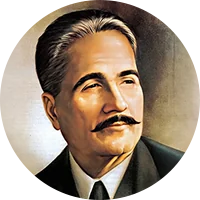
"Jawab-e-Shikwa (Dil Se Jo Baat Nikalti Hai)" (جوابِ شکوہ — دل سے جو بات نکلتی ہے اثر رکھتی ہے) was composed by Sir Allama Muhammad Iqbal (علامہ اقبال). It is a classical nazm celebrated in Urdu literature for its artistic excellence and emotional depth.
Iqbal illustrates the transcendent velocity of authentic prayer. Because the grievance sprang from genuine love and historical pain, it penetrates cosmic spheres, startling celestial beings before being tenderly received by Divine Mercy.
Yes, Poetry in Urdu provides complete dual-script access: authentic Nastaliq Urdu calligraphy, line-by-line Roman Urdu transliteration for diaspora readers, English translation, and a difficult vocabulary glossary (Lafz-Nama).
Sir Allama Muhammad Iqbal (1877–1938) was a towering philosopher-poet, scholar, and politician in British India, widely revered as the spiritual founder of Pakistan (Mufakkir-e-Pakistan) and Shair-e-Mashriq (Poet of the East).
View Complete Profile & KalamMore verified works to explore