
Couplet #1شعر ۱
کیوں زیاں کار بنوں، سود فراموش رہوں
فکرِ فردا نہ کروں، محوِ غمِ دوش رہوں
Kyon ziyan-kaar banoon, sood-faramosh rahoon
Fikr-e-farda na karoon, mehv-e-gham-e-dosh rahoon
Complete NAZM with English Translation, Roman Urdu & Tashreeh
علامہ محمد اقبال کی تاریخی اور تاریخ ساز نظم 'شکوہ' ان کے پہلے مجموعے 'بانگِ درا' (1924ء) کی سب سے انقلابی، بے باک اور اثر انگیز نظم ہے۔ اقبال نے 1909ء میں لاہور کے جلسۂ انجمن حمایتِ اسلام میں جب یہ نظم پڑھی تو پورا مجمع اشکبار ہو گیا اور برصغیر میں فکری زلزلہ آ گیا۔ اقبال نے امتِ مسلمہ کے تاریخی زوال پر اللہ تعالیٰ کے حضور ایک عاشقانہ، سچے اور دردمندانہ گلے کی صورت میں شکوہ پیش کیا ہے کہ کس طرح مسلمانوں نے دنیا بھر میں توحید کا پرچم لہرایا لیکن آج وہ زوال اور پسماندگی کا شکار ہیں۔ یہ نظم اردو شاعری میں حق گوئی کا شاہکار مانی جاتی ہے۔
Composed by Allama Sir Muhammad Iqbal and recited in 1909 before the Anjuman-i-Himayat-i-Islam in Lahore, 'Shikwa' (The Complaint) is arguably the most famous and culturally seismic poem in 20th-century Urdu literature. Daring to present a tender, candid grievance before the Almighty on behalf of the subjugated Muslim world, Iqbal recounts the heroic civilizational sacrifices of believers who planted the banner of monotheism across continents.
کیوں زیاں کار بنوں، سود فراموش رہوں
فکرِ فردا نہ کروں، محوِ غمِ دوش رہوں
Kyon ziyan-kaar banoon, sood-faramosh rahoon
Fikr-e-farda na karoon, mehv-e-gham-e-dosh rahoon
نالے بلبل کے سنوں اور ہمہ تن گوش رہوں
ہم نوا میں بھی کوئی گل ہوں کہ خاموش رہوں
Naalay bulbul ke sunoon aur hama-tan gosh rahoon
Ham-nawa main bhi koi gul hoon ke khamosh rahoon
جرات آموز مری تابِ سخن ہے مجھ کو
شکوہ اللہ سے، خاکم بدہن، ہے مجھ کو
Jur'at-aamoz meri taab-e-sukhan hai mujh ko
Shikwa Allah se, khaakam-ba-dahan, hai mujh ko
اے خدا! شکوۂ اربابِ وفا بھی سن لے
خوگرِ حمد سے تھوڑا سا گلا بھی سن لے
Ae Khuda! Shikwa-e-arbaab-e-wafa bhi sun le
Khogar-e-hamd se thoda sa gila bhi sun le
تھی تو ازل سے ہی تری ذاتِ قدیم
پھول تھا زیبِ پر نہ پریشاں تھی
Thi to maujood azal se hi teri Zaat-e-Qadeem
Phool tha zeb-e-chaman, par na pareshaan thi shameem
تجھ کو بتلاؤں ترے نام پہ مرتا کون تھا؟
تیری توحید کا پرچم بلند کرتا کون تھا؟
Tujh ko batlaaoon tere naam pe marta kaun tha?
Teri tauheed ka parcham buland karta kaun tha?
Kyon ziyan-kaar banoon, sood-faramosh rahoon
Fikr-e-farda na karoon, mehv-e-gham-e-dosh rahoon
Naalay bulbul ke sunoon aur hama-tan gosh rahoon
Ham-nawa main bhi koi gul hoon ke khamosh rahoon
Jur'at-aamoz meri taab-e-sukhan hai mujh ko
Shikwa Allah se, khaakam-ba-dahan, hai mujh ko

Ae Khuda! Shikwa-e-arbaab-e-wafa bhi sun le
Khogar-e-hamd se thoda sa gila bhi sun le
Thi to maujood azal se hi teri Zaat-e-Qadeem
Phool tha zeb-e-chaman, par na pareshaan thi shameem
Tujh ko batlaaoon tere naam pe marta kaun tha?
Teri tauheed ka parcham buland karta kaun tha?
Why must I remain forever a loser, oblivious to my own gain? Taking no thought for the morrow, lost only in mourning yesterday's pain? Must I listen silently to the nightingale's weeping, all ears in despair? O fellow singer, am I a dumb blossom that I should utter no prayer? The burning power of my poetic speech gives bold courage to my soul: A grievance before God—dust in my mouth!—is my solemn goal. O God! Graciously hear the plea of the custodians of loyalty too; From a soul habituated to praising Thee, hear a tender lament too! Thy Ancient Being was indeed present from all eternity past; The flower adorned the garden, but its fragrance was never broadcast! Shall I tell Thee who laid down their lives for Thy holy name? Who raised the soaring banner of Thy Divine Unity unto immortal fame?
Iqbal shatters passive silence in this opening canto of 'Shikwa'. Refusing to remain a mute blossom while the garden withers, he assumes the prophetic role of spokesman for his fallen civilization, reminding heaven of the historical loyalty and sacrifices of believers.
"Shikwa (Kyon Ziyan-Kaar Banoon)" (شکوہ — کیوں زیاں کار بنوں سود فراموش رہوں) was composed by Sir Allama Muhammad Iqbal (علامہ اقبال). It is a classical nazm celebrated in Urdu literature for its artistic excellence and emotional depth.
Iqbal shatters passive silence in this opening canto of 'Shikwa'. Refusing to remain a mute blossom while the garden withers, he assumes the prophetic role of spokesman for his fallen civilization, reminding heaven of the historical loyalty and sacrifices of believers.
Yes, Poetry in Urdu provides complete dual-script access: authentic Nastaliq Urdu calligraphy, line-by-line Roman Urdu transliteration for diaspora readers, English translation, and a difficult vocabulary glossary (Lafz-Nama).
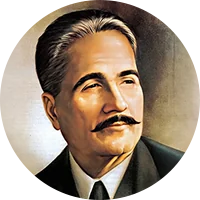
Sir Allama Muhammad Iqbal (1877–1938) was a towering philosopher-poet, scholar, and politician in British India, widely revered as the spiritual founder of Pakistan (Mufakkir-e-Pakistan) and Shair-e-Mashriq (Poet of the East).
View Complete Profile & KalamMore verified works to explore