
Couplet #1شعر ۱
سلسلۂ روز و شب، نقش گرِ حادثات
سلسلۂ روز و شب، اصلِ حیات و ممات
Silsila-e-roz-o-shab, naqsh-gar-e-hadisaat
Silsila-e-roz-o-shab, asal-e-hayat-o-mamat
Complete NAZM with English Translation, Roman Urdu & Tashreeh
علامہ محمد اقبال کی یہ تاریخی اور آفاقی شاہکار نظم ان کے دوسرے اردو مجموعے 'بالِ جبریل' (1935ء) کا سب سے بلند اور درخشاں تاج سمجھی جاتی ہے۔ یہ نظم اقبال نے 1931ء میں اندلس (اسپین) کے تاریخی شہر قرطبہ کی جامع مسجد کے دورے کے بعد لکھی تھی۔ اس نظم میں اقبال نے وقت (سلسلۂ روز و شب)، انسانی تاریخ، تہذیبوں کے عروج و زوال اور 'عشق' کے لازوال جذبے پر وہ فلسفیانہ کلام فرمایا ہے جس کی نظیر پوری عالمی شاعری میں کم ہی ملتی ہے۔ اقبال کا نظریہ ہے کہ کائنات کی ہر شے فنا کے گھاٹ اتر جائے گی سوائے اس نقش کے جس کی بنیاد سچے 'عشق' پر رکھی گئی ہو۔
Composed by Allama Sir Muhammad Iqbal during his visit to Spain in 1931 and published in 'Bal-e-Jibril' (1935), 'Masjid-e-Qurtuba' (The Mosque of Cordoba) is universally regarded as one of the towering pinnacles of philosophical poetry in world literature. Iqbal reflects on the relentless flow of time (the chain of day and night), civilizational decay, and declares that only creative works forged in transcendent 'Ishq' (divine passion) survive mortal oblivion.
سلسلۂ روز و شب، نقش گرِ حادثات
سلسلۂ روز و شب، اصلِ حیات و ممات
Silsila-e-roz-o-shab, naqsh-gar-e-hadisaat
Silsila-e-roz-o-shab, asal-e-hayat-o-mamat
سلسلۂ روز و شب، تارِ حریرِ دو رنگ
جس سے بناتی ہے ذات اپنی قبائے صفات
Silsila-e-roz-o-shab, taar-e-hareer-e-do-rang
Jis se banati hai Zaat apni qaba-e-sifaat
تجھ کو پرکھتا ہے یہ، مجھ کو پرکھتا ہے یہ
سلسلۂ روز و شب، صیرفیِ کائنات
Tujh ko parakhta hai yeh, mujh ko parakhta hai yeh
Silsila-e-roz-o-shab, sairafi-e-kainaat
تو ہو اگر کم عیار، میں ہوں اگر کم عیار
موت ہے تیری برات، موت ہے میری برات
Tu ho agar kam-ayaar, main hoon agar kam-ayaar
Maut hai teri baraat, maut hai meri baraat
تیرے شب و روز کی اور حقیقت ہے کیا
ایک زمانے کی رو جس میں نہ دن ہے نہ رات
Tere shab o roz ki aur haqeeqat hai kya
Ek zamane ki rau jis mein na din hai na raat
عشق ہے اصلِ حیات، موت ہے اس پر حرام
تند و سبک خیز ہے گرچہ زمانے کی رو!
Ishq hai asal-e-hayat, maut hai us par haraam
Tund o subuk-khez hai garcha zamane ki rau!
Silsila-e-roz-o-shab, naqsh-gar-e-hadisaat
Silsila-e-roz-o-shab, asal-e-hayat-o-mamat

Silsila-e-roz-o-shab, taar-e-hareer-e-do-rang
Jis se banati hai Zaat apni qaba-e-sifaat

Tujh ko parakhta hai yeh, mujh ko parakhta hai yeh
Silsila-e-roz-o-shab, sairafi-e-kainaat

Tu ho agar kam-ayaar, main hoon agar kam-ayaar
Maut hai teri baraat, maut hai meri baraat

Tere shab o roz ki aur haqeeqat hai kya
Ek zamane ki rau jis mein na din hai na raat

Ishq hai asal-e-hayat, maut hai us par haraam
Tund o subuk-khez hai garcha zamane ki rau!
The relentless chain of day and night is the sculptor of all mortal events; The chain of day and night is the primal source of life and death. The chain of day and night is a two-toned thread of woven silk, With which the Divine Essence fashions Its mantle of attributes. It tests you relentlessly, and it tests me with unrelenting scrutiny; This chain of day and night is the supreme assayer of the universe. If you prove deficient in spiritual purity, or if I prove of hollow worth, Death is your final destiny, and death is my final destiny! What other reality lies behind your fleeting days and nights Except a rushing river of time wherein exists neither day nor night? Transcendent Love (Ishq) is the true essence of life; upon it, death is forever forbidden, Though swift and tempestuous be the rushing river of mortal time!
Iqbal deconstructs time into an assayer of spiritual authenticity ('sairafi-e-kainaat'). Worldly civilizations perish if they lack transcendent conviction. The solitary force immune to temporal decay is divine 'Ishq'—creative, self-sacrificing passion that immortalizes human endeavor.
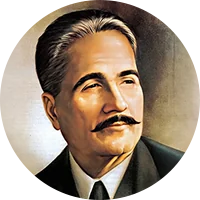
"Silsila-e-Roz-o-Shab (Masjid-e-Qurtuba)" (سلسلۂ روز و شب (مسجدِ قرطبہ — بالِ جبریل)) was composed by Sir Allama Muhammad Iqbal (علامہ اقبال). It is a classical nazm celebrated in Urdu literature for its artistic excellence and emotional depth.
Iqbal deconstructs time into an assayer of spiritual authenticity ('sairafi-e-kainaat'). Worldly civilizations perish if they lack transcendent conviction. The solitary force immune to temporal decay is divine 'Ishq'—creative, self-sacrificing passion that immortalizes human endeavor.
Yes, Poetry in Urdu provides complete dual-script access: authentic Nastaliq Urdu calligraphy, line-by-line Roman Urdu transliteration for diaspora readers, English translation, and a difficult vocabulary glossary (Lafz-Nama).
Sir Allama Muhammad Iqbal (1877–1938) was a towering philosopher-poet, scholar, and politician in British India, widely revered as the spiritual founder of Pakistan (Mufakkir-e-Pakistan) and Shair-e-Mashriq (Poet of the East).
View Complete Profile & KalamMore verified works to explore