
Couplet #1شعر ۱
ظلمت کو ضیا صرصر کو بندے کو خدا کیا لکھنا
پتھر کو گہر دیوار کو در بے داد کو داد کیا لکھنا
Zulmat ko zia sarsar ko saba bande ko khuda kya likhna
Patthar ko guhar deewar ko dar bay-daad ko daad kya likhna
Complete GHAZAL with English Translation, Roman Urdu & Tashreeh
حبیب جالب کی یہ تاریخی غزل پاکستان کی سیاسی اور ادبی تاریخ میں جابر حاکموں کے خلاف صدائے احتجاج کی علامت ہے۔ ضیاء الحق کے مارشل لائی دورِ آمریت میں لکھی گئی اس غزل میں جالب نے دربار پسندی، خوشامد اور حکومتی جھوٹ کے منہ پر طمانچہ مارتے ہوئے اعلان کیا کہ شاعر کا قلم بکاؤ نہیں ہے۔ اس غزل کی سطر سطر سچائی، غیرت اور عوام دوستی کی زندہ داستان ہے۔
Habib Jalib's 'Zulmat Ko Zia Sarsar Ko Saba Kya Likhna' is one of the most potent resistance poems ever penned in South Asian history. Composed during the draconian martial law regime of General Zia-ul-Haq, Jalib delivered an unyielding poetic rebuke to sycophants and state-controlled propaganda. Jalib's wordplay on 'Zulmat' (Darkness) versus 'Zia' (Light) directly challenged authoritarian censorship, establishing him forever as 'Shair-e-Awam' (Poet of the Masses).
ظلمت کو ضیا صرصر کو بندے کو خدا کیا لکھنا
پتھر کو گہر دیوار کو در بے داد کو داد کیا لکھنا
Zulmat ko zia sarsar ko saba bande ko khuda kya likhna
Patthar ko guhar deewar ko dar bay-daad ko daad kya likhna
جس دور میں جینے کا حق بھی چھن جائے غریب انسان سے
اس دور کے حاکم کو شاہِ جہاں دادار و عادل کیا لکھنا
Jis daur mein jeenay ka haq bhi chhin jaaye ghareeb insaan se
Us daur ke haakim ko shah-e-jahan daadaar-o-aadil kya likhna
جس بستی میں ہو خونِ جگر ارزان تر از آب و ہوا
اس بستی کے بیداروں کو پھر اہلِ وفا کیا لکھنا
Jis basti mein ho khoon-e-jigar arzaan tar az aab-o-hawa
Us basti ke bedaron ko phir ahl-e-wafa kya likhna
بکتی ہے جہاں انصاف کی شے میں سدا سوداگر کی
اس بزم میں قاضی کو حبیبؔ منصف کا لقب کیا لکھنا
Bikti hai jahan insaaf ki shai mehfil mein sada saudagar ki
Us bazm mein qazi ko Habib munsif ka laqab kya likhna
Zulmat ko zia sarsar ko saba bande ko khuda kya likhna
Patthar ko guhar deewar ko dar bay-daad ko daad kya likhna

Jis daur mein jeenay ka haq bhi chhin jaaye ghareeb insaan se
Us daur ke haakim ko shah-e-jahan daadaar-o-aadil kya likhna

Jis basti mein ho khoon-e-jigar arzaan tar az aab-o-hawa
Us basti ke bedaron ko phir ahl-e-wafa kya likhna

Bikti hai jahan insaaf ki shai mehfil mein sada saudagar ki
Us bazm mein qazi ko Habib munsif ka laqab kya likhna
Why should darkness be christened light, or the scorching tempest called a gentle breeze? Why should a mortal despot be proclaimed a god upon this trembling earth? Why should common stone be hailed as pearl, a suffocating wall praised as an open doorway, Or barbaric tyranny be applauded with crowns of justice? In an oppressive era where the very right to breathe and survive is ripped from the poor, Why should the reigning tyrant be flattered as emperor of the world and fountain of equity? In that wounded settlement where the lifeblood of human labor flows cheaper than water and air, Why should the self-proclaimed leaders ever be regarded as keepers of public fidelity? Where justice itself is put up for sale in the trading-houses of wealthy merchants, In that fraudulent court, O Habib Jalib, why should the corrupted judge ever be crowned with the title of fair adjudicator?
This masterwork represents the purest tradition of political defiance in Urdu literature. The opening couplet is a devastating deconstruction of authoritarian propaganda. Jalib refuses the basic vocabulary of totalitarianism, asserting that calling tyranny 'benevolence' or oppression 'stability' is an unforgivable betrayal of poetic duty. In the second and third couplets, Jalib turns to economic realities: an empire that deprives the impoverished of basic sustenance cannot claim moral legitimacy, regardless of its grandiose titles and state pageantry. In the closing couplet, Jalib fearlessly indicts institutional corruption, targeting compromised judiciaries that serve elite oligarchs while abandoning fundamental human rights.
"Zulmat Ko Zia Sarsar Ko Saba Kya Likhna" (ظلمت کو ضیا صرصر کو صبا کیا لکھنا (مکمل غزل)) was composed by Habib Jalib (حبیب جالب). It is a classical ghazal celebrated in Urdu literature for its artistic excellence and emotional depth.
This masterwork represents the purest tradition of political defiance in Urdu literature. The opening couplet is a devastating deconstruction of authoritarian propaganda. Jalib refuses the basic vocabulary of totalitarianism, asserting that calling tyranny 'benevolence' or oppression 'stability' is an unforgivable betrayal of poetic duty. In the second and third couplets, Jalib turns to economic realities: an empire that deprives the impoverished of basic sustenance cannot claim moral legitima
Yes, Poetry in Urdu provides complete dual-script access: authentic Nastaliq Urdu calligraphy, line-by-line Roman Urdu transliteration for diaspora readers, English translation, and a difficult vocabulary glossary (Lafz-Nama).
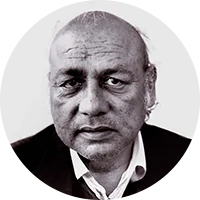
Habib Jalib (1928–1993) was an iconic Pakistani revolutionary Urdu poet and activist who opposed military regimes and social inequality through poignant, accessible verse.
View Complete Profile & KalamMore verified works to explore