
Couplet #1شعر ۱
کیا ستم ہے کہ اب تری صورت
غور سے دیکھنی پڑے گی مجھے
Kya sitam hai ke ab teri soorat
Ghaur se dekhni padegi mujhe
Complete GHAZAL with English Translation, Roman Urdu & Tashreeh
جون ایلیا کی یہ غزل رشتوں کے اجنبی پن، وقت کے ستم اور احساس کی موت کا وہ تلخ ترین نوحہ ہے جس کا مطلع 'کیا ستم ہے کہ اب تری صورت / غور سے دیکھنی پڑے گی مجھے' انسان کے اندر اداسی کا طوفان برپا کر دیتا ہے۔ جون نے اس غزل میں اس المناک کیفیت کو قلمبند کیا ہے جب طویل جدائی کے بعد دو محبت کرنے والے ملتے ہیں تو وقت کی گرد نے ان کی محبت اور چہرے کو اتنا بدل دیا ہوتا ہے کہ وہ ایک دوسرے کو پہچاننے کے لیے غور سے دیکھنے پر مجبور ہو جاتے ہیں۔ جون کا یہ کاٹ دار لہجہ محبت کے افسانے کو حقیقت کا تازیانہ لگاتا ہے۔
Penned by the master of existential disenchantment Jaun Elia, this devastating ghazal confronts the cruel erosion of romantic memory by time. Its opening line—'Kya sitam hai ke ab teri soorat / Ghaur se dekhni padegi mujhe' (What cruel tragedy is this: that now to recognize your face, I must examine it with deliberate scrutiny!)—captures the heartbreak when an once-sacred presence becomes an unfamiliar stranger.
کیا ستم ہے کہ اب تری صورت
غور سے دیکھنی پڑے گی مجھے
Kya sitam hai ke ab teri soorat
Ghaur se dekhni padegi mujhe
مدتوں بعد تجھ سے مل کے بھی
سی لگ رہی ہے مجھے
Muddaton baad tujh se mil ke bhi
Ajnabiyyat si lag rahi hai mujhe
ایک ہی زخم تھا جو بھر نہ سکا
اب وہی زندگی لگی ہے مجھے
Ek hi zakhm tha jo bhar na saka
Ab wohi zindagi lagi hai mujhe
تو جو بدلا تو میں بھی بدل گیا
اپنی تصویر اب اجنبی لگی ہے مجھے
Tu jo badla to main bhi badal gaya
Apni tasveer ab ajnabi lagi hai mujhe
چھوڑ جونؔ اب یہ گفتگوئے ملال
ایک ویران سی رات کاٹنی ہے مجھے
Chhod Jaun ab yeh guftagu-e-malaal
Ek weeran si raat kaatni hai mujhe
Kya sitam hai ke ab teri soorat
Ghaur se dekhni padegi mujhe

Muddaton baad tujh se mil ke bhi
Ajnabiyyat si lag rahi hai mujhe

Ek hi zakhm tha jo bhar na saka
Ab wohi zindagi lagi hai mujhe

Tu jo badla to main bhi badal gaya
Apni tasveer ab ajnabi lagi hai mujhe

Chhod Jaun ab yeh guftagu-e-malaal
Ek weeran si raat kaatni hai mujhe
What cruel tragedy is this: that now to recognize your beloved face, I must examine it with deliberate, strained scrutiny! Even after reuniting with you after long, endless years, A chilling sense of alienation and estrangement surrounds me! There was a solitary inner wound that could never heal; Now that persistent wound itself has become my entire definition of life! When you transformed into a stranger, I too was altered forever; Even my own reflected portrait now appears utterly alien to my eyes! Cease now, O Jaun, this bitter discourse of sorrow and regret; For a desolate, endless night of solitude lies ahead for me to endure!
Jaun Elia exposes the terrifying finality of emotional alienation. Time erodes romantic familiarity so thoroughly that even physical features seem foreign. The lover becomes alienated not just from the beloved, but from his own identity.
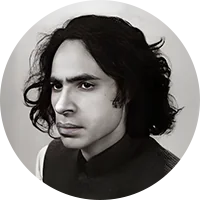
"Kya Sitam Hai Ke Ab Teri Soorat" (کیا ستم ہے کہ اب تری صورت غور سے دیکھنی پڑے گی مجھے) was composed by Syed Hussain Sibt-e-Asghar Naqvi (Jaun Elia) (جون ایلیا). It is a classical ghazal celebrated in Urdu literature for its artistic excellence and emotional depth.
Jaun Elia exposes the terrifying finality of emotional alienation. Time erodes romantic familiarity so thoroughly that even physical features seem foreign. The lover becomes alienated not just from the beloved, but from his own identity.
Yes, Poetry in Urdu provides complete dual-script access: authentic Nastaliq Urdu calligraphy, line-by-line Roman Urdu transliteration for diaspora readers, English translation, and a difficult vocabulary glossary (Lafz-Nama).
Jaun Elia (1931–2002) was an iconic Pakistani Urdu poet, scholar, and philosopher known for his unconventional style, existential themes, and deeply personal, conversational verse.
View Complete Profile & KalamMore verified works to explore
مجھ سے پہلی سی محبت مری محبوب نہ مانگ
Mujhse Pehli Si Mohabbat Meri Mehboob Na Maang — Faiz Ahmed Faiz
ستاروں سے آگے جہاں اور بھی ہیں (مکمل غزل)
Sitaron Se Aage Jahan Aur Bhi Hain (Complete Ghazal) — Allama Iqbal
دلِ ناداں تجھے ہوا کیا ہے (مکمل غزل)
Dil-e-Nadan Tujhe Hua Kya Hai (Complete Ghazal) — Mirza Ghalib