
Couplet #1شعر ۱
چھاپ تلک سب چھین لی رے موسے نیناں ملائی کے
بات اگم کہہ دینی رے موسے نیناں ملائی کے
Chhap tilak sab chheen li re mose naina milayike
Baat agam keh deeni re mose naina milayike
Complete NAZM with English Translation, Roman Urdu & Tashreeh
حضرت امیر خسرو کا یہ صوفیانہ کلام جنوبی ایشیا کی صوفی موسیقی اور قوالی کا سب سے زیادہ گایا جانے والا مقدس شاہکار ہے۔ نصرت فتح علی خان، عابدہ پروین، صابری برادران اور کوک اسٹوڈیو کے فنکاروں نے اسے دنیا بھر میں شہرت بخشی۔ ہندوی زبان میں لکھا گیا یہ کلام مرشدِ برحق حضرت نظام الدین اولیاء کے حضور روحانی سپردگی، انا کی فنا اور محبتِ الٰہی کے رنگ میں رنگے جانے کا لازوال گیت ہے۔
Chhap Tilak Sab Chheen Li Re Mose Naina Milayike is Hazrat Amir Khusro's globally celebrated Sufi anthem of spiritual transformation and surrender to his mystic master, Hazrat Nizamuddin Auliya. Written in 14th-century Braj Bhasha/Hindavi, the poem uses the bridal folk motif to depict the dissolution of earthly ego ('Chhap Tilak') when encountering divine illumination through the sacred gaze of the Pir.
چھاپ تلک سب چھین لی رے موسے نیناں ملائی کے
بات اگم کہہ دینی رے موسے نیناں ملائی کے
Chhap tilak sab chheen li re mose naina milayike
Baat agam keh deeni re mose naina milayike
پریم بھٹی کا مدوا پلائی کے
متواری کر دینی رے موسے نیناں ملائی کے
Prem bhatti ka madwa pilaayike
Matwaari kar deeni re mose naina milayike
گوری گوری بیاں ہری ہری چوڑیاں
بیاں پکڑ دھر لینی رے موسے نیناں ملائی کے
Gori gori baiyaan hari hari choodiyaan
Baiyaan pakad dhar leeni re mose naina milayike
بل بل جاؤں میں تورے رنگ ریزوا
اپنے ہی رنگ میں رنگ لینی رے موسے نیناں ملائی کے
Bal bal jaaun main tore rang-rezwa
Apne hi rang mein rang leeni re mose naina milayike
خسروؔ نظام کے بل بل جائے
موہے سہاگن کینی رے موسے نیناں ملائی کے
Khusro Nizam ke bal bal jaaye
Mohe suhaagan keeni re mose naina milayike
Chhap tilak sab chheen li re mose naina milayike
Baat agam keh deeni re mose naina milayike

Prem bhatti ka madwa pilaayike
Matwaari kar deeni re mose naina milayike

Gori gori baiyaan hari hari choodiyaan
Baiyaan pakad dhar leeni re mose naina milayike

Bal bal jaaun main tore rang-rezwa
Apne hi rang mein rang leeni re mose naina milayike

Khusro Nizam ke bal bal jaaye
Mohe suhaagan keeni re mose naina milayike
You stripped away all my worldly insignia and outer identity, merely by locking eyes with me; You whispered the profound mysteries of the unknowable realm, merely by locking eyes with me! Pouring the intoxicating nectar distilled in the crucible of divine love, You rendered me ecstatically intoxicated, merely by locking eyes with me! Fair, delicate arms adorned with verdant green bangles— You gently seized these hands in sacred covenant, merely by locking eyes with me! I offer my very life as a willing sacrifice to You, O Divine Dyer of souls; You have dyed my soul in Your own singular eternal hue, merely by locking eyes with me! Khusro surrenders body and soul in loving sacrifice at the feet of Hazrat Nizamuddin; You have crowned me with the blessed dignity of spiritual union, merely by locking eyes with me!
In this mystic masterpiece, Khusro portrays the gaze of the spiritual guide as an alchemy that burns away superficial identity. 'Chhap' and 'Tilak' represent external markers of caste, pride, and ritualism; their removal signifies internal purification. The Murshid is addressed as 'Rang-Rez' (The Dyer) who washes away mortal impurities and saturates the disciple's soul in the divine color of celestial love.
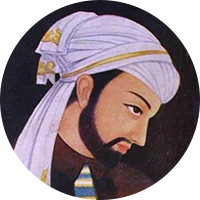
"Chhap Tilak Sab Chheen Li Re Mose Naina Milayike" (چھاپ تلک سب چھین لی رے موسے نیناں ملائی کے (کلام حضرت امیر خسرو)) was composed by Hazrat Ab'ul Hasan Yamin ud-Din Khusrau (Amir Khusro) (امیر خسرو). It is a classical nazm celebrated in Urdu literature for its artistic excellence and emotional depth.
In this mystic masterpiece, Khusro portrays the gaze of the spiritual guide as an alchemy that burns away superficial identity. 'Chhap' and 'Tilak' represent external markers of caste, pride, and ritualism; their removal signifies internal purification. The Murshid is addressed as 'Rang-Rez' (The Dyer) who washes away mortal impurities and saturates the disciple's soul in the divine color of celestial love.
Yes, Poetry in Urdu provides complete dual-script access: authentic Nastaliq Urdu calligraphy, line-by-line Roman Urdu transliteration for diaspora readers, English translation, and a difficult vocabulary glossary (Lafz-Nama).
Hazrat Amir Khusro (1253–1325) was an iconic Sufi poet, musician, and scholar disciple of Hazrat Nizamuddin Auliya. Revered as Tuti-e-Hind (Parrot of India), he pioneered Rekhta and classical South Asian music.
View Complete Profile & KalamMore verified works to explore