
Couplet #1شعر ۱
زحالِ مسکیں مکن دورائے نیناں بنائے بتیاں
کہ تابِ ندارد اے جاں نہ لیہو کاہے لگائے چھتیاں
Zehaal-e-miskeen makun taghaful dora-e-naina banaye batiyan
Ke taab-e-hijran nadarad ai jaan na leho kaahe lagaye chhatiyan
Complete GHAZAL with English Translation, Roman Urdu & Tashreeh
یہ غزل اردو اور فارسی شاعری کی تاریخ کا سب سے پہلا اور بے مثل سنگِ میل ہے۔ امیر خسرو نے اس غزل میں کمالِ مہارت سے ہر شعر کا پہلا مصرع فارسی اور دوسرا مصرع برج بھاشا/ہندوی (ابتدائی اردو) میں نظم کیا ہے۔ یہ کلام ہجر و وصال اور عشقِ الٰہی کے جذبات کا خوبصورت امتزاج ہے۔
Composed in the 13th century, this iconic bilingual ghazal is celebrated as the foundational birth of Rekhta (Urdu poetry). Amir Khusro alternated each Persian hemistich with a local Hindavi line, symbolizing the cultural and linguistic synthesis of South Asia.
زحالِ مسکیں مکن دورائے نیناں بنائے بتیاں
کہ تابِ ندارد اے جاں نہ لیہو کاہے لگائے چھتیاں
Zehaal-e-miskeen makun taghaful dora-e-naina banaye batiyan
Ke taab-e-hijran nadarad ai jaan na leho kaahe lagaye chhatiyan
شبانِ دراز چوں و روزِ چو عمرِ کوتاہ
سخی پیا کو جو میں نہ دیکھوں تو کیسے کاٹوں اندھیری رتیاں
Shabaan-e-hijran daraaz choon zulf o roz-e-waslat cho umr-e-kotah
Sakhi piya ko jo main na dekhoon to kaise kaatoon andheri ratiyan
یکایک از دل دو چشمِ جادو بصد فریبم ببرد تسکیں
کسے پڑی ہے جو جا سناوے پیارے پی کو ہماری بتیاں
Yaka-yak az dil do chashm-e-jaadu basad farebam baburd taskeen
Kise padi hai jo ja sunave pyaare pee ko hamari batiyan
بحقِ آن مہ کہ روزِ محشر بدادِ نورِ تجلیِ خود
نہ نیند نیناں نہ انگ چیناں نہ آپ آویں نہ بھیجیں پتیاں
Bahaq-e-aan meh ke roz-e-mehshar bdaad-e-noor-e-tajalli-e-khud
Na neend naina na ang chaina na aap aawen na bhejen patiyan
بیا اے خسروؔ پئے خدائے کنوں تو صورت بنامِ بشنو
شمارِ عمرم چوں قطرہ باراں شبِ سیاہم پئے وصالت
Biya ai Khusro paye khuda-e kanoon to soorat banaam-e bishno
Shumaar-e-umram choon qatra-e-baaran shab-e-siyaham paye wasalat
Zehaal-e-miskeen makun taghaful dora-e-naina banaye batiyan
Ke taab-e-hijran nadarad ai jaan na leho kaahe lagaye chhatiyan

Shabaan-e-hijran daraaz choon zulf o roz-e-waslat cho umr-e-kotah
Sakhi piya ko jo main na dekhoon to kaise kaatoon andheri ratiyan

Yaka-yak az dil do chashm-e-jaadu basad farebam baburd taskeen
Kise padi hai jo ja sunave pyaare pee ko hamari batiyan

Bahaq-e-aan meh ke roz-e-mehshar bdaad-e-noor-e-tajalli-e-khud
Na neend naina na ang chaina na aap aawen na bhejen patiyan

Biya ai Khusro paye khuda-e kanoon to soorat banaam-e bishno
Shumaar-e-umram choon qatra-e-baaran shab-e-siyaham paye wasalat
Do not overlook my wretched state by turning your eyes away and making up excuses For my soul cannot endure this separation; why do you not embrace me to your heart? The nights of parting are long as your dark curls, and the day of union as fleeting as a short lifespan O dear friend, if I do not behold my beloved, how shall I endure these pitch-dark nights? All at once, those enchanting eyes robbed my heart of all peace with a hundred illusions Who has the patience to go and convey our humble feelings to my dearest beloved? By the truth of that radiant Moon who shall illuminate the Day of Judgment with His glory There is no sleep in my eyes, no rest in my body; neither does the beloved come nor send a letter!
The poem captures the agony of romantic separation while operating on a Sufi plane—the human soul's longing to dissolve into the divine beloved. In this revered ghazal, Amir Khusro weaves intricate emotional realism with classical lyrical cadence. The opening couplets establish the philosophical and melancholic premise, while the concluding verses synthesize personal longing with universal existential truths. Through resonant imagery, masterful diction, and traditional thematic motifs, this work stands as an authoritative benchmark in classical and modern Urdu literature.
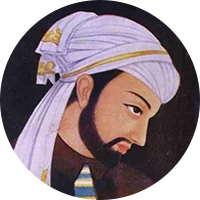
"Zehaal-e-Miskeen Makun Taghaful" (زحالِ مسکیں مکن تغافل دورائے نیناں بنائے بتیاں) was composed by Hazrat Ab'ul Hasan Yamin ud-Din Khusrau (Amir Khusro) (امیر خسرو). It is a classical ghazal celebrated in Urdu literature for its artistic excellence and emotional depth.
The poem captures the agony of romantic separation while operating on a Sufi plane—the human soul's longing to dissolve into the divine beloved. In this revered ghazal, Amir Khusro weaves intricate emotional realism with classical lyrical cadence. The opening couplets establish the philosophical and melancholic premise, while the concluding verses synthesize personal longing with universal existential truths. Through resonant imagery, masterful diction, and traditional thematic motifs, this work
Yes, Poetry in Urdu provides complete dual-script access: authentic Nastaliq Urdu calligraphy, line-by-line Roman Urdu transliteration for diaspora readers, English translation, and a difficult vocabulary glossary (Lafz-Nama).
Hazrat Amir Khusro (1253–1325) was an iconic Sufi poet, musician, and scholar disciple of Hazrat Nizamuddin Auliya. Revered as Tuti-e-Hind (Parrot of India), he pioneered Rekhta and classical South Asian music.
View Complete Profile & KalamMore verified works to explore
مجھ سے پہلی سی محبت مری محبوب نہ مانگ
Mujhse Pehli Si Mohabbat Meri Mehboob Na Maang — Faiz Ahmed Faiz
دلِ ناداں تجھے ہوا کیا ہے (مکمل غزل)
Dil-e-Nadan Tujhe Hua Kya Hai (Complete Ghazal) — Mirza Ghalib
ہزاروں خواہشیں ایسی کہ ہر خواہش پہ دم نکلے (مکمل غزل)
Hazaron Khwahishen Aisi (Complete Ghazal) — Mirza Ghalib