
Couplet #1شعر ۱
پتا پتا بوٹا بوٹا حال ہمارا جانے ہے
جانے نہ جانے گل ہی نہ جانے باغ تو سارا جانے ہے
Patta patta boota boota haal hamara jaane hai
Jaane na jaane gul hi na jaane baagh to saara jaane hai
Complete GHAZAL with English Translation, Roman Urdu & Tashreeh
خدائے سخن میر تقی میر کی یہ غزل اردو کلاسیکی ادب کے ماتھے کا جھومر ہے۔ میر نے اس غزل میں گلشن اور فطرت کے استعارے سے عاشق کی بے زبانی اور کائنات کی ہمدردی کو ایسا لازوال روپ بخشا ہے کہ اس کا مطلع 'پتا پتا بوٹا بوٹا حال ہمارا جانے ہے / جانے نہ جانے گل ہی نہ جانے باغ تو سارا جانے ہے' برصغیر کی تہذیبی تاریخ کا حصہ بن چکا ہے۔ میر کا دھیما اور پر سوز لہجہ ہر اس دل کو تسکین بخشتا ہے جس نے یک طرفہ محبت اور محبوب کی بے نیازی کا دکھ سہا ہو۔
Penned by 'Khuda-e-Sukhan' (God of Poetry) Mir Taqi Mir, this immortal ghazal is one of the crowning jewels of classical 18th-century Urdu literature. Using the garden as a sublime metaphor for human life, Mir depicts the universal tragedy of unrequited devotion: while every leaf and blossom in the entire garden empathizes with the lover's silent sorrow, only the proud, aloof rose remains oblivious.
پتا پتا بوٹا بوٹا حال ہمارا جانے ہے
جانے نہ جانے گل ہی نہ جانے باغ تو سارا جانے ہے
Patta patta boota boota haal hamara jaane hai
Jaane na jaane gul hi na jaane baagh to saara jaane hai
آگے اس کے ہم نے ہاتھ جوڑے ہیں
وہ جو غرور و ناز کا اپنے آپ کو تارا جانے ہے
Aage us takabbur ke hum ne haath jode hain
Woh jo ghuroor o naaz ka apne aap ko taara jaane hai
چارہ گری بیماریِ دل کی رسمِ جہاں ہے ورنہ کون
درد کو کس کے دیکھے ہے اور کس کو چارہ جانے ہے
Chara-gari beemari-e-dil ki rasm-e-jahan hai warna kaun
Dard ko kis ke dekhe hai aur kis ko chaara jaane hai
مہر و وفا و لطف و کرم سب اس کے ہیں اوصاف مگر
ہم سے ستم ہی کرتا ہے وہ جو ہمیں بے چارہ جانے ہے
Mehr o wafa o lutf o karam sab us ke hain ausaaf magar
Hum se sitam hi karta hai woh jo hamein be-chara jaane hai
میرؔ تشنہ لب کو دیکھو پیاس سے لب خشک ہوئے
اب تو پلا دے جو خود کو ابرِ بہاراں جانے ہے
Mir tishna-lab ko dekho pyaas se lab khushk hue
Ab to pila de saaqi jo khud ko abr-e-baharan jaane hai
Patta patta boota boota haal hamara jaane hai
Jaane na jaane gul hi na jaane baagh to saara jaane hai

Aage us takabbur ke hum ne haath jode hain
Woh jo ghuroor o naaz ka apne aap ko taara jaane hai

Chara-gari beemari-e-dil ki rasm-e-jahan hai warna kaun
Dard ko kis ke dekhe hai aur kis ko chaara jaane hai

Mehr o wafa o lutf o karam sab us ke hain ausaaf magar
Hum se sitam hi karta hai woh jo hamein be-chara jaane hai

Mir tishna-lab ko dekho pyaas se lab khushk hue
Ab to pila de saaqi jo khud ko abr-e-baharan jaane hai
Every single leaf and every tender shrub knows the sorrow of our state; Only the rose remains unaware, while the entire garden knows! Before that haughty pride, we have folded our trembling hands in submission— That beloved who considers their own vanity as the brightest guiding star. Tending to the affliction of an aching heart is mere worldly custom; Otherwise, who truly feels another's grief, and who truly knows a cure? Kindness, fidelity, grace, and compassion are all noble virtues of that soul; Yet cruelty alone is meted out to us, knowing well how helpless we are. Look upon thirsty-lipped Mir, whose lips are parched with longing; Pour out a cup now, O cupbearer, who claims to be the cloud of spring!
Mir constructs a heartbreaking pastoral allegory. The entire garden (nature and society) bears witness to the lover's agony, yet the rose (the beloved) displays cold indifference. The poem reflects Mir's sublime simplicity and tender sorrow.
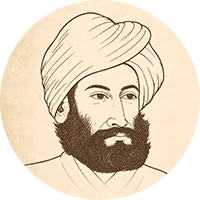
"Patta Patta Boota Boota Haal Hamara Jaane Hai" (پتا پتا بوٹا بوٹا حال ہمارا جانے ہے) was composed by Mir Muhammad Taqi (Mir Taqi Mir) (میر تقی میر). It is a classical ghazal celebrated in Urdu literature for its artistic excellence and emotional depth.
Mir constructs a heartbreaking pastoral allegory. The entire garden (nature and society) bears witness to the lover's agony, yet the rose (the beloved) displays cold indifference. The poem reflects Mir's sublime simplicity and tender sorrow.
Yes, Poetry in Urdu provides complete dual-script access: authentic Nastaliq Urdu calligraphy, line-by-line Roman Urdu transliteration for diaspora readers, English translation, and a difficult vocabulary glossary (Lafz-Nama).
Mir Taqi Mir (1723–1810) was the leading Urdu poet of the 18th century, revered as Khuda-e-Sukhan. He pioneered the classical Urdu ghazal tradition and established its aesthetic standards.
View Complete Profile & KalamMore verified works to explore
مجھ سے پہلی سی محبت مری محبوب نہ مانگ
Mujhse Pehli Si Mohabbat Meri Mehboob Na Maang — Faiz Ahmed Faiz
ستاروں سے آگے جہاں اور بھی ہیں (مکمل غزل)
Sitaron Se Aage Jahan Aur Bhi Hain (Complete Ghazal) — Allama Iqbal
دلِ ناداں تجھے ہوا کیا ہے (مکمل غزل)
Dil-e-Nadan Tujhe Hua Kya Hai (Complete Ghazal) — Mirza Ghalib