
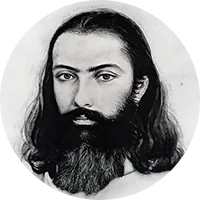
Couplet #1شعر ۱
اثر اس کو ذرا نہیں ہوتا
رنج راحت فزا نہیں ہوتا
Asar usko zara nahin hota
Ranj rahat-faza nahin hota
Complete GHAZAL with English Translation, Roman Urdu & Tashreeh
حکیم مومن خان مومن کی یہ غزل اردو کلاسیکی شاعری کی تاریخ میں ایک منفرد اور لازوال مقام رکھتی ہے۔ اس غزل کا پانچواں شعر 'تم مرے پاس ہوتے ہو گویا / جب کوئی دوسرا نہیں ہوتا' اس قدر پراثر اور نازک خیال ہے کہ مرزا اسد اللہ خان غالب نے اسے سن کر فرمایا تھا کہ اگر مومن یہ ایک شعر مجھے دے دیں تو میں اپنا پورا دیوان ان کی نذر کر دوں۔ اس غزل میں مومن نے روایتی ہجر اور عاشقانہ اضطراب کو انتہائی لطیف، پردہ دار اور باوقار انداز میں پیش کیا ہے۔
Composed by Hakim Momin Khan Momin in the 19th-century Mughal court of Delhi, this masterpiece holds legendary status in Urdu literature. Its fifth couplet—'Tum mere paas hote ho goya / Jab koi doosra nahin hota'—prompted Mirza Ghalib's famous declaration that he would gladly surrender his entire Divan in exchange for this single verse. The ghazal showcases Momin's signature psychological intimacy, refined romantic ambiguity, and delicate lyricism.
اثر اس کو ذرا نہیں ہوتا
رنج راحت فزا نہیں ہوتا
Asar usko zara nahin hota
Ranj rahat-faza nahin hota
ذکرِ اغیار ہی سے خوش ہیں وہ
ہم سے کچھ نہیں ہوتا
Zikr-e-aghyar hi se khush hain woh
Hum se kuch maajra nahin hota
بے وفائی پہ تیری جی ہے فدا
ہوتا جو با وفا ہوتا
Be-wafai pe teri jee hai fida
Qahr hota jo ba-wafa hota
نہ سنو گر برا کہے کوئی
نہ کہو گر برا کرے کوئی
Na suno gar bura kahe koi
Na kaho gar bura kare koi
تم مرے پاس ہوتے ہو گویا
جب کوئی دوسرا نہیں ہوتا
Tum mere paas hote ho goya
Jab koi doosra nahin hota
حالِ دل یار کو لکھوں کیوں کر
ہاتھ دل سے جدا نہیں ہوتا
Haal-e-dil yaar ko likhoon kyon kar
Haath dil se juda nahin hota
کیوں سنے عرضِ اضطراب مومنؔ
آخر خدا نہیں ہوتا
Kyon sune arz-e-iztirab Momin
Sanam aakhir Khuda nahin hota
Asar usko zara nahin hota
Ranj rahat-faza nahin hota

Zikr-e-aghyar hi se khush hain woh
Hum se kuch maajra nahin hota

Be-wafai pe teri jee hai fida
Qahr hota jo ba-wafa hota

Na suno gar bura kahe koi
Na kaho gar bura kare koi

Tum mere paas hote ho goya
Jab koi doosra nahin hota

Haal-e-dil yaar ko likhoon kyon kar
Haath dil se juda nahin hota

Kyon sune arz-e-iztirab Momin
Sanam aakhir Khuda nahin hota
No impression whatsoever touches their unyielding heart Nor does my deep grief ever transform into comforting solace. They rejoice merely in the conversation and mention of rivals While from my trembling lips, no grievance finds words to unfold. My devoted soul is captivated even by your sweet unfaithfulness What devastating torment would it be had you truly been loyal! Turn a deaf ear should someone speak ill of another in malice And utter no reproach even if someone inflicts harm upon you. You seem to reside right beside me, holding my trembling presence In that profound sanctuary when no one else exists around me. How could I ever set pen to parchment to write the state of my longing? For my hand remains bound to my aching heart, unable to break away. Why should the stone-hearted beloved ever heed Momin's plea of torment? For an idol of clay, after all, can never possess the mercy of God.
This ghazal embodies the essence of classical Delhi romanticism. Momin explores the contrast between the aloof beloved and the introspective lover. The crowning jewel is couplet five, depicting a transcendent psychological state where absolute solitude becomes absolute communion with the beloved's spiritual essence.
"Asar Usko Zara Nahin Hota (Tum Mere Paas Hote Ho)" (اثر اس کو ذرا نہیں ہوتا (تم مرے پاس ہوتے ہو گویا)) was composed by Hakim Momin Khan Momin (مومن خان مومن). It is a classical ghazal celebrated in Urdu literature for its artistic excellence and emotional depth.
This ghazal embodies the essence of classical Delhi romanticism. Momin explores the contrast between the aloof beloved and the introspective lover. The crowning jewel is couplet five, depicting a transcendent psychological state where absolute solitude becomes absolute communion with the beloved's spiritual essence.
Yes, Poetry in Urdu provides complete dual-script access: authentic Nastaliq Urdu calligraphy, line-by-line Roman Urdu transliteration for diaspora readers, English translation, and a difficult vocabulary glossary (Lafz-Nama).
Hakim Momin Khan Momin (1800–1851) was one of the triumvirate of classical Urdu masters alongside Ghalib and Zauq in Delhi. Renowned for his romantic elegance, subtle conceits, and medical erudition.
View Complete Profile & KalamMore verified works to explore
مجھ سے پہلی سی محبت مری محبوب نہ مانگ
Mujhse Pehli Si Mohabbat Meri Mehboob Na Maang — Faiz Ahmed Faiz
دلِ ناداں تجھے ہوا کیا ہے (مکمل غزل)
Dil-e-Nadan Tujhe Hua Kya Hai (Complete Ghazal) — Mirza Ghalib
ہزاروں خواہشیں ایسی کہ ہر خواہش پہ دم نکلے (مکمل غزل)
Hazaron Khwahishen Aisi (Complete Ghazal) — Mirza Ghalib