
Couplet #1شعر ۱
ناوک انداز جدھر دیدۂ جاناں ہوں گے
نیم بسمل کئی ہوں گے کئی بے جاں ہوں گے
Naavak andaaz jidhar deedah-e-janaan honge
Neem bismil kai honge kai be-jaan honge
Complete GHAZAL with English Translation, Roman Urdu & Tashreeh
حکیم مومن خان مومنؔ کی یہ غزل فارسی آمیز کلاسیکی شکوہ، نازک خیالی اور تغزل کے روایتی حسن کا کمال ہے۔ مطلع میں محبوب کے چشمِ خمار آلود کو تیر انداز قرار دینا اور ایک ہی نگاہ سے عاشقوں کے نیم بسمل اور بے جان ہونے کی تصویر کشی مومن کی قادر الکلامی کا ثبوت ہے۔ یہ غزل دہلوی دبستان کا روشن نمونہ ہے۔
Naavak Andaaz Jidhar Deedah-e-Janaan Honge is an opulent classical showpiece by Hakim Momin Khan Momin. Employing exquisite Persianized metaphors, Momin portrays the lethal glances of the beloved as archers unleashing fatal arrows that leave armies of passionate admirers half-slain or lifeless in devotion.
ناوک انداز جدھر دیدۂ جاناں ہوں گے
نیم بسمل کئی ہوں گے کئی بے جاں ہوں گے
Naavak andaaz jidhar deedah-e-janaan honge
Neem bismil kai honge kai be-jaan honge
تابِ نظارہ نہیں آئنہ کیا دیکھیں گے
وہ جو خود اپنے ہی جلوؤں پہ پریشاں ہوں گے
Taab-e-nazaara nahi aaina kya dekhenge
Woh jo khud apne hi jalwon pe pareshaan honge
ہم نے رو رو کے گزاری ہے شبِ سدا
وہ جو ہنستے ہیں بھلا کس کے نگہباں ہوں گے
Hum ne ro ro ke guzaari hai shab-e-hijr sada
Woh jo hanste hain bhala kis ke nigehbaan honge
مومنؔ اس کفرِ محبت میں بچو گے کیونکر
جب صنم خود ہی سرِ مہر و سلیماں ہوں گے
Momin is kufr-e-mohabbat mein bacho ge kyunkar
Jab sanam khud hi sar-e-mohar-o-sulemaan honge
Naavak andaaz jidhar deedah-e-janaan honge
Neem bismil kai honge kai be-jaan honge

Taab-e-nazaara nahi aaina kya dekhenge
Woh jo khud apne hi jalwon pe pareshaan honge

Hum ne ro ro ke guzaari hai shab-e-hijr sada
Woh jo hanste hain bhala kis ke nigehbaan honge

Momin is kufr-e-mohabbat mein bacho ge kyunkar
Jab sanam khud hi sar-e-mohar-o-sulemaan honge
Whichever direction the arrow-shooting glances of the beloved's eyes turn: Many lovers shall lie half-slaughtered in agony, while countless others will drop dead! They do not possess the stamina to gaze upon a mirror, For they themselves would faint bewildered by the dazzling splendour of their own beauty! We have spent our long nights of separation weeping an endless stream of tears; Yet those who laugh carelessly—whose faithful guardians could they ever truly be? O Momin, how could you ever survive this perilous heresy of passionate love, When the stone-hearted idol itself wields the supreme authority of King Solomon's seal?
Momin demonstrates classical Delhi courtly perfection. The Matla crafts a dramatic battleground of romance where the beloved's gaze acts as a fatal volley of arrows. The closing couplet invokes the mythological Seal of Solomon, illustrating how the autocratic sovereign authority of supreme beauty renders all human resistance futile.
"Naavak Andaaz Jidhar Deedah-e-Janaan Honge" (ناوک انداز جدھر دیدۂ جاناں ہوں گے) was composed by Hakim Momin Khan Momin (مومن خان مومن). It is a classical ghazal celebrated in Urdu literature for its artistic excellence and emotional depth.
Momin demonstrates classical Delhi courtly perfection. The Matla crafts a dramatic battleground of romance where the beloved's gaze acts as a fatal volley of arrows. The closing couplet invokes the mythological Seal of Solomon, illustrating how the autocratic sovereign authority of supreme beauty renders all human resistance futile.
Yes, Poetry in Urdu provides complete dual-script access: authentic Nastaliq Urdu calligraphy, line-by-line Roman Urdu transliteration for diaspora readers, English translation, and a difficult vocabulary glossary (Lafz-Nama).
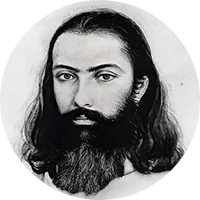
Hakim Momin Khan Momin (1800–1851) was one of the triumvirate of classical Urdu masters alongside Ghalib and Zauq in Delhi. Renowned for his romantic elegance, subtle conceits, and medical erudition.
View Complete Profile & KalamMore verified works to explore
مجھ سے پہلی سی محبت مری محبوب نہ مانگ
Mujhse Pehli Si Mohabbat Meri Mehboob Na Maang — Faiz Ahmed Faiz
ستاروں سے آگے جہاں اور بھی ہیں (مکمل غزل)
Sitaron Se Aage Jahan Aur Bhi Hain (Complete Ghazal) — Allama Iqbal
دلِ ناداں تجھے ہوا کیا ہے (مکمل غزل)
Dil-e-Nadan Tujhe Hua Kya Hai (Complete Ghazal) — Mirza Ghalib