
Couplet #1شعر ۱
ٹھانی تھی دل میں اب نہ ملیں گے کسی سے ہم
پر کیا کریں جو پیش نہ آیا کسی سے ہم
Thaani thi dil mein ab na milein ge kisi se hum
Par kya karein jo pesh na aaya kisi se hum
Complete GHAZAL with English Translation, Roman Urdu & Tashreeh
مومن خان مومن کی یہ غزل کلاسیکی اردو شاعری کے درخشاں ترین شاہکاروں میں شمار ہوتی ہے۔ مومن کا خاص کمال یہ ہے کہ وہ انا، خودداری اور محبوب کے تئیں نازک جذبات کی کشمکش کو ایسی سادگی اور سلاست کے ساتھ باندھتے ہیں کہ شعر دل میں اتر جاتا ہے۔ مطلع میں یہ تضاد کہ دل میں کسی سے نہ ملنے کا پکا عہد کیا تھا مگر محبوب کی کشش کے آگے بے بس ہو گئے، انسانی نفسیات کی گہری عکاسی کرتا ہے۔
Momin Khan Momin's 'Thaani Thi Dil Mein Ab Na Milein Ge Kisi Se Hum' is one of the most celebrated classical Delhi ghazals exploring the tension between pride (Ana) and irresistible romantic longing. Momin's hallmark psychological nuance is on full display: resolving never again to associate with fickle mortals, only to discover that the beloved's unmatched allure defeats all rational detachment.
ٹھانی تھی دل میں اب نہ ملیں گے کسی سے ہم
پر کیا کریں جو پیش نہ آیا کسی سے ہم
Thaani thi dil mein ab na milein ge kisi se hum
Par kya karein jo pesh na aaya kisi se hum
ہر چند اعتبارِ محبت نہیں رہا
پھر بھی گئے ہوئے تو نہیں زندگی سے ہم
Har chand aitbaar-e-mohabbat nahi raha
Phir bhi gaye hue to nahi zindagi se hum
کل ہم کو دیکھے منہ پھیر کر نکل گیا
شکوہ کریں تو کس سے کریں بے رخی سے ہم
Kal hum ko dekh-e-munh pher kar nikal gaya
Shikwa karein to kis se karein be-rukhi se hum
مومنؔ یہ کیا ہے کہ جاتے ہیں بار بار
آئے ہیں جب بھی لوٹ کے اس کی گلی سے ہم
Momin yeh kya junoon hai ke jaate hain baar baar
Aaye hain jab bhi laut ke us ki gali se hum
Thaani thi dil mein ab na milein ge kisi se hum
Par kya karein jo pesh na aaya kisi se hum

Har chand aitbaar-e-mohabbat nahi raha
Phir bhi gaye hue to nahi zindagi se hum

Kal hum ko dekh-e-munh pher kar nikal gaya
Shikwa karein to kis se karein be-rukhi se hum

Momin yeh kya junoon hai ke jaate hain baar baar
Aaye hain jab bhi laut ke us ki gali se hum
We had firmly resolved in our heart never again to meet with anyone; Yet what can we do when none could ever match our beloved's tender grace? Although faith in romantic devotion no longer lingers within our soul; We are not yet completely detached from the fragile tapestry of life! Yesterday he caught sight of us, averted his face, and hastened away; To whom, then, could we ever voice a lament regarding this callous indifference? O Momin, what manner of madness is this that compels us to go time and again, Even when every single journey to his alley ends in sorrowful retreat?
This classical masterwork is revered for its honest depiction of romantic vulnerability and self-contradiction. The opening couplet contrasts intellectual resolve with emotional surrender: the speaker resolves to isolate himself permanently from mankind, yet admits that the singular enchantment of the beloved shatters all vows of renunciation. The middle stanzas detail the emotional aftermath of rejection: having lost faith in romantic fidelity, the lover still clings to existence, struggling with the sting of the beloved averting their gaze in public. The maqta delivers Momin's signature introspective irony: the poet chides his own obsessive heart for endlessly returning to the beloved's street despite knowing that every visit results in rejection.
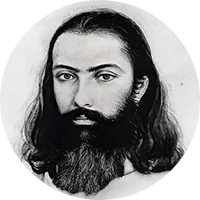
"Thaani Thi Dil Mein Ab Na Milein Ge Kisi Se Hum" (ٹھانی تھی دل میں اب نہ ملیں گے کسی سے ہم (مکمل غزل)) was composed by Hakim Momin Khan Momin (مومن خان مومن). It is a classical ghazal celebrated in Urdu literature for its artistic excellence and emotional depth.
This classical masterwork is revered for its honest depiction of romantic vulnerability and self-contradiction. The opening couplet contrasts intellectual resolve with emotional surrender: the speaker resolves to isolate himself permanently from mankind, yet admits that the singular enchantment of the beloved shatters all vows of renunciation. The middle stanzas detail the emotional aftermath of rejection: having lost faith in romantic fidelity, the lover still clings to existence, struggling
Yes, Poetry in Urdu provides complete dual-script access: authentic Nastaliq Urdu calligraphy, line-by-line Roman Urdu transliteration for diaspora readers, English translation, and a difficult vocabulary glossary (Lafz-Nama).
Hakim Momin Khan Momin (1800–1851) was one of the triumvirate of classical Urdu masters alongside Ghalib and Zauq in Delhi. Renowned for his romantic elegance, subtle conceits, and medical erudition.
View Complete Profile & KalamMore verified works to explore
مجھ سے پہلی سی محبت مری محبوب نہ مانگ
Mujhse Pehli Si Mohabbat Meri Mehboob Na Maang — Faiz Ahmed Faiz
ستاروں سے آگے جہاں اور بھی ہیں (مکمل غزل)
Sitaron Se Aage Jahan Aur Bhi Hain (Complete Ghazal) — Allama Iqbal
دلِ ناداں تجھے ہوا کیا ہے (مکمل غزل)
Dil-e-Nadan Tujhe Hua Kya Hai (Complete Ghazal) — Mirza Ghalib