
Couplet #1شعر ۱
وہ جو ہم میں تم میں تھا تمہیں یاد ہو کہ نہ یاد ہو
وہی یعنی وعدہ کا تمہیں یاد ہو کہ نہ یاد ہو
Woh jo hum mein tum mein qarar tha tumhein yaad ho ke na yaad ho
Wohi yaani waada nibah ka tumhein yaad ho ke na yaad ho
Complete GHAZAL with English Translation, Roman Urdu & Tashreeh
حکیم مومن خان مومن کی یہ غزل اردو زبان کی سب سے زیادہ گائی جانے والی، سب سے زیادہ سنی جانے والی اور سب سے زیادہ پسندیدہ غزل مانی جاتی ہے۔ بیگم اختر، غلام علی اور نیرہ نور نے اس غزل کو گا کر برصغیر کے کونے کونے میں امر کر دیا۔ مومن نے اس غزل میں ماضی کے عہد و پیمان، خلوتوں کی رازدارانہ باتیں، اور محبوب کے بھول جانے پر دھیما، شائستہ اور دل فریب شکوہ کیا ہے۔ 'وہ جو ہم میں تم میں قرار تھا تمہیں یاد ہو کہ نہ یاد ہو' کی ردیف ہر انسان کے دل کے نازک ترین تاروں کو چھیڑ دیتی ہے۔
Composed by Hakim Momin Khan Momin, this immortal masterpiece is widely regarded as one of the three most celebrated ghazals in the history of Urdu literature. Rendered legendary across generations by vocalists Begum Akhtar, Ghulam Ali, and Nayyara Noor, the ghazal is a masterpiece of nostalgic romantic inquiry, tender reproach, and exquisite psychological intimacy.
وہ جو ہم میں تم میں تھا تمہیں یاد ہو کہ نہ یاد ہو
وہی یعنی وعدہ کا تمہیں یاد ہو کہ نہ یاد ہو
Woh jo hum mein tum mein qarar tha tumhein yaad ho ke na yaad ho
Wohi yaani waada nibah ka tumhein yaad ho ke na yaad ho
وہ جو لطف مجھ پہ تھے وہ کرم کہ تھا مرے حال پر
مجھے سب ہے یاد ذرا ذرا تمہیں یاد ہو کہ نہ یاد ہو
Woh jo lutf mujh pe the peshtar woh karam ke tha mere haal par
Mujhe sab hai yaad zara zara tumhein yaad ho ke na yaad ho
کبھی ہم میں تم میں بھی چاہ تھی کبھی ہم سے تم سے بھی راہ تھی
کبھی ہم بھی تم بھی تھے تمہیں یاد ہو کہ نہ یاد ہو
Kabhi hum mein tum mein bhi chaah thi kabhi hum se tum se bhi raah thi
Kabhi hum bhi tum bhi the aashna tumhein yaad ho ke na yaad ho
سنو ذکر ہے کئی سال کا کہ کیا تھا ایک دن میں نے گلا
سو وہ ہنس کے بولے بھلا بھلا تمہیں یاد ہو کہ نہ یاد ہو
Suno zikr hai kayi saal ka ke kiya tha ek din main ne gila
So woh hans ke bole bhala bhala tumhein yaad ho ke na yaad ho
جسے آپ گنتے تھے جسے آپ کہتے تھے باوفا
میں وہی ہوں مومنِؔ تمہیں یاد ہو کہ نہ یاد ہو
Jise aap gintay the aashna jise aap kehte the ba-wafa
Main wohi hoon Momin-e-mubtala tumhein yaad ho ke na yaad ho
Woh jo hum mein tum mein qarar tha tumhein yaad ho ke na yaad ho
Wohi yaani waada nibah ka tumhein yaad ho ke na yaad ho

Woh jo lutf mujh pe the peshtar woh karam ke tha mere haal par
Mujhe sab hai yaad zara zara tumhein yaad ho ke na yaad ho

Kabhi hum mein tum mein bhi chaah thi kabhi hum se tum se bhi raah thi
Kabhi hum bhi tum bhi the aashna tumhein yaad ho ke na yaad ho

Suno zikr hai kayi saal ka ke kiya tha ek din main ne gila
So woh hans ke bole bhala bhala tumhein yaad ho ke na yaad ho

Jise aap gintay the aashna jise aap kehte the ba-wafa
Main wohi hoon Momin-e-mubtala tumhein yaad ho ke na yaad ho
That quiet solemn pact that once existed between you and me—whether you recall it or not; That sacred promise of lifelong devotion and fidelity—whether you recall it or not. All those tender kindnesses you once lavished upon me, that grace you bestowed upon my humble state; I remember every fleeting moment in vivid detail—whether you recall it or not. Once upon a time, genuine love bloomed between us; once, a shared path united our footsteps; Once we were cherished, intimate companions—whether you recall it or not. Listen, it is a memory of many seasons past: when one evening I gently voiced a tender grievance; And with an amused, sweet laugh you replied: 'Let it be!'—whether you recall it or not. The one whom you once counted as your dearest confidant, whom you praised as steadfast and true; I am that very same lovesick, devoted Momin—whether you recall it or not!
Momin demonstrates supreme emotional restraint. Rather than bitter recrimination over abandonment, he gently prompts the beloved's conscience with the recurring musical refrain 'Tumhein yaad ho ke na yaad ho' (whether you recall it or not), creating a timeless masterpiece of romantic nostalgia.
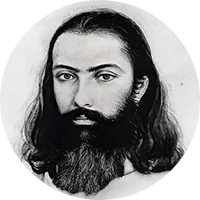
"Woh Jo Hum Mein Tum Mein Qarar Tha" (وہ جو ہم میں تم میں قرار تھا تمہیں یاد ہو کہ نہ یاد ہو) was composed by Hakim Momin Khan Momin (مومن خان مومن). It is a classical ghazal celebrated in Urdu literature for its artistic excellence and emotional depth.
Momin demonstrates supreme emotional restraint. Rather than bitter recrimination over abandonment, he gently prompts the beloved's conscience with the recurring musical refrain 'Tumhein yaad ho ke na yaad ho' (whether you recall it or not), creating a timeless masterpiece of romantic nostalgia.
Yes, Poetry in Urdu provides complete dual-script access: authentic Nastaliq Urdu calligraphy, line-by-line Roman Urdu transliteration for diaspora readers, English translation, and a difficult vocabulary glossary (Lafz-Nama).
Hakim Momin Khan Momin (1800–1851) was one of the triumvirate of classical Urdu masters alongside Ghalib and Zauq in Delhi. Renowned for his romantic elegance, subtle conceits, and medical erudition.
View Complete Profile & KalamMore verified works to explore
مجھ سے پہلی سی محبت مری محبوب نہ مانگ
Mujhse Pehli Si Mohabbat Meri Mehboob Na Maang — Faiz Ahmed Faiz
ستاروں سے آگے جہاں اور بھی ہیں (مکمل غزل)
Sitaron Se Aage Jahan Aur Bhi Hain (Complete Ghazal) — Allama Iqbal
دلِ ناداں تجھے ہوا کیا ہے (مکمل غزل)
Dil-e-Nadan Tujhe Hua Kya Hai (Complete Ghazal) — Mirza Ghalib