
Couplet #1شعر ۱
کجھ انج وی راہواں اوکھیاں سن
کجھ گل وچ غم دا طوق وی سی
Kujh unj vi raawan okhiyaan san
Kujh gal vich gham da tauq vi si
Complete GHAZAL with English Translation, Roman Urdu & Tashreeh
منیر نیازی کا یہ پنجابی کلام پاکستان اور دنیا بھر میں پنجابی اور اردو شاعری کے شائقین کے دلوں پر راج کرتا ہے۔ شعر 'کجھ شہر دے لوگ وی ظالم سن، کجھ سانوں مرن دا شوق وی سی' ایک ضرب المثل بن چکا ہے جو انسان کی خود تباہی، ظالم معاشرے کے جبر اور المیاتی مقدر کو چند الفاظ میں بے نقاب کرتا ہے۔
Kujh Unj Vi Raawan Okhiyaan San is Munir Niazi's iconic Punjabi masterpiece, celebrated across South Asia as one of the most honest reflections on human suffering and fatalistic longing. Combining psychological grit with stark, unadorned diction, Munir immortalizes the tragic synthesis between society's cruelty and the poet's own romantic flirtation with self-ruin.
کجھ انج وی راہواں اوکھیاں سن
کجھ گل وچ غم دا طوق وی سی
Kujh unj vi raawan okhiyaan san
Kujh gal vich gham da tauq vi si
کجھ شہر دے لوگ وی ظالم سن
کجھ سانوں مرن دا شوق وی سی
Kujh sheher de log vi zaalim san
Kujh saanu maran da shauq vi si
کجھ اونہاں وی زہر پلایا سی
کجھ سانوں پین دا شوق وی سی
Kujh onhaan vi zehr pilaaya si
Kujh saanu peen da shauq vi si
کجھ دل وی پاگل ہوندا سی
کجھ دنیا دا بھی خوف وی سی
Kujh دل vi paagal honda si
Kujh duniya da bhi khauf vi si
منیرؔ اکھاں وچ ہنجو سن
تے دل وچ وسدا شوخ وی سی
Munir akhaan vich hanju san
Te dil vich vasda shokh vi si
Kujh unj vi raawan okhiyaan san
Kujh gal vich gham da tauq vi si

Kujh sheher de log vi zaalim san
Kujh saanu maran da shauq vi si

Kujh onhaan vi zehr pilaaya si
Kujh saanu peen da shauq vi si

Kujh دل vi paagal honda si
Kujh duniya da bhi khauf vi si

Munir akhaan vich hanju san
Te dil vich vasda shokh vi si
In part, the paths themselves were treacherous and arduous; And around the neck hung the heavy collar of sorrow! In part, the denizens of this ruthless town were cruel; And in part, we harbored a strange, reckless passion for our own demise! In part, they served the lethal draught of poison; And in part, we possessed an eager thirst to drink it down! In part, this wild heart leaned toward frenzied madness; And in part, the chilling fear of the judgmental world weighed heavy! O Munir, bitter tears glistened within weary eyes; Yet deep within the heart dwelt that radiant, playful beloved!
In this world-renowned poem, Munir Niazi transcends simple victimhood by embracing paradoxical accountability. The world is undeniably treacherous and unforgiving, yet the artist-seeker acknowledges his own dark complicity—a melancholic fascination with risk and destruction. The closing verse counterbalances this existential gloom with the indestructible sanctuary of love shining within the weeping soul.
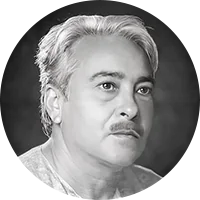
"Kujh Unj Vi Raawan Okhiyaan San (Kujh Sanu Maran Da Shauq Vi Si)" (کجھ انج وی راہواں اوکھیاں سن (کلام — منیر نیازی)) was composed by Munir Niazi (منیر نیازی). It is a classical ghazal celebrated in Urdu literature for its artistic excellence and emotional depth.
In this world-renowned poem, Munir Niazi transcends simple victimhood by embracing paradoxical accountability. The world is undeniably treacherous and unforgiving, yet the artist-seeker acknowledges his own dark complicity—a melancholic fascination with risk and destruction. The closing verse counterbalances this existential gloom with the indestructible sanctuary of love shining within the weeping soul.
Yes, Poetry in Urdu provides complete dual-script access: authentic Nastaliq Urdu calligraphy, line-by-line Roman Urdu transliteration for diaspora readers, English translation, and a difficult vocabulary glossary (Lafz-Nama).
Munir Niazi (1928–2006) was a towering modernist poet who transformed Urdu and Punjabi poetry with eerie gothic imagery, twilight atmospheres, and existential hesitation.
View Complete Profile & KalamMore verified works to explore
مجھ سے پہلی سی محبت مری محبوب نہ مانگ
Mujhse Pehli Si Mohabbat Meri Mehboob Na Maang — Faiz Ahmed Faiz
ستاروں سے آگے جہاں اور بھی ہیں (مکمل غزل)
Sitaron Se Aage Jahan Aur Bhi Hain (Complete Ghazal) — Allama Iqbal
دلِ ناداں تجھے ہوا کیا ہے (مکمل غزل)
Dil-e-Nadan Tujhe Hua Kya Hai (Complete Ghazal) — Mirza Ghalib