
Couplet #1شعر ۱
بات کرنی مجھے مشکل کبھی ایسی تو نہ تھی
جیسی اب ہے تری کبھی ایسی تو نہ تھی
Baat karni mujhe mushkil kabhi aisi to na thi
Jaisi ab hai teri mehfil kabhi aisi to na thi
Complete GHAZAL with English Translation, Roman Urdu & Tashreeh
آخری مغل شہنشاہ بہادر شاہ ظفر کی یہ غزل محبت کی جھجھک، دل کی بے قراری اور محبوب کے روبرو زبان کے گنگ ہو جانے کا وہ نازک ترین بیان ہے جس کا مطلع 'بات کرنی مجھے مشکل کبھی ایسی تو نہ تھی / جیسی اب ہے تری محفل کبھی ایسی تو نہ تھی' صدیوں سے دلوں کو چھو رہا ہے۔ مہدی حسن کی مدھر آواز نے اس غزل کو پورے برصغیر میں گلی گلی پہنچا دیا۔ ظفر نے اپنے شاہانہ وقار کے ساتھ عاشقانہ عاجزی کو ملا کر ایک ایسا نایاب رنگ پیدا کیا ہے جو مغل دربار کی ادبی بلندی کا شاندار نمونہ ہے۔
Penned by Emperor Bahadur Shah Zafar and popularized across the world by the masterly rendition of Mehdi Hassan, this elegant ghazal captures the speechlessness and trembling reverence of the lover in the beloved's presence. Its opening couplet—'Baat karni mujhe mushkil kabhi aisi to na thi / Jaisi ab hai teri mehfil kabhi aisi to na thi'—depicts how romantic awe paralyzes even the most eloquent tongues.
بات کرنی مجھے مشکل کبھی ایسی تو نہ تھی
جیسی اب ہے تری کبھی ایسی تو نہ تھی
Baat karni mujhe mushkil kabhi aisi to na thi
Jaisi ab hai teri mehfil kabhi aisi to na thi
لے گیا چھین کے کون آج ترا صبر و قرار
بے قراری تجھے اے دل کبھی ایسی تو نہ تھی
Le gaya chheen ke kaun aaj tera sabr o qarar
Be-qarari tujhe ae dil kabhi aisi to na thi
چشمِ نے یہ کیا راز سنایا مجھ کو
مے کدے کی یہ فضا مست کبھی ایسی تو نہ تھی
Chashm-e-saaqi ne yeh kya raaz sunaya mujh ko
Mai-kade ki yeh faza mast kabhi aisi to na thi
اے ظفرؔ رنگون کی قید میں یاد آتا ہے
تختِ دہلی کی بہاراں کبھی ایسی تو نہ تھی
Ae Zafar Rangoon ki qaid mein yaad aata hai
Takht-e-Dilli ki baharan kabhi aisi to na thi
Baat karni mujhe mushkil kabhi aisi to na thi
Jaisi ab hai teri mehfil kabhi aisi to na thi

Le gaya chheen ke kaun aaj tera sabr o qarar
Be-qarari tujhe ae dil kabhi aisi to na thi

Chashm-e-saaqi ne yeh kya raaz sunaya mujh ko
Mai-kade ki yeh faza mast kabhi aisi to na thi

Ae Zafar Rangoon ki qaid mein yaad aata hai
Takht-e-Dilli ki baharan kabhi aisi to na thi
Speaking my heart was never so difficult for me before; Such as it feels now, your assembly was never so intimidating before! Who has plundered away your peaceful patience and quiet rest today? Such overwhelming restlessness, O heart, was never your lot before! What intoxicating divine secret did the cupbearer's gaze whisper to my soul, That the atmosphere of the tavern was never so ecstatic and enrapturing before! O Zafar! As I linger in the solitary exile of Rangoon, I remember with tears: That even the imperial springtime of Delhi's throne was never as precious as freedom!
Zafar balances courtly romance with poignant exile nostalgia. The beloved's court is so overwhelming that speech fails, and in exile, the memory of Delhi's lost spring shines brighter than ever.
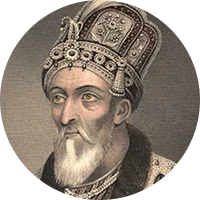
"Baat Karni Mujhe Mushkil Kabhi Aisi To Na Thi" (بات کرنی مجھے مشکل کبھی ایسی تو نہ تھی) was composed by Mirza Abu Zafar Siraj-ud-Din Muhammad (Bahadur Shah Zafar) (بہادر شاہ ظفر). It is a classical ghazal celebrated in Urdu literature for its artistic excellence and emotional depth.
Zafar balances courtly romance with poignant exile nostalgia. The beloved's court is so overwhelming that speech fails, and in exile, the memory of Delhi's lost spring shines brighter than ever.
Yes, Poetry in Urdu provides complete dual-script access: authentic Nastaliq Urdu calligraphy, line-by-line Roman Urdu transliteration for diaspora readers, English translation, and a difficult vocabulary glossary (Lafz-Nama).
Bahadur Shah Zafar (1775–1862) was the last Mughal Emperor of India. Following the 1857 Uprising, he was exiled to Rangoon by the British, where he penned enduring laments on political tragedy, patriotism, and mortality.
View Complete Profile & KalamMore verified works to explore
مجھ سے پہلی سی محبت مری محبوب نہ مانگ
Mujhse Pehli Si Mohabbat Meri Mehboob Na Maang — Faiz Ahmed Faiz
ستاروں سے آگے جہاں اور بھی ہیں (مکمل غزل)
Sitaron Se Aage Jahan Aur Bhi Hain (Complete Ghazal) — Allama Iqbal
دلِ ناداں تجھے ہوا کیا ہے (مکمل غزل)
Dil-e-Nadan Tujhe Hua Kya Hai (Complete Ghazal) — Mirza Ghalib