
Couplet #1شعر ۱
اب تو گھبرا کے یہ کہتے ہیں کہ مر جائیں گے
مر کے بھی چین نہ پایا تو کدھر جائیں گے
Ab to ghabra ke yeh kehte hain ke mar jayenge
Mar ke bhi chain na paaya to kidhar jayenge
Complete GHAZAL with English Translation, Roman Urdu & Tashreeh
خاقانیِ ہند شیخ محمد ابراہیم ذوقؔ کی یہ غزل اردو ادب کی ان نایاب غزلوں میں شمار ہوتی ہے جن کا ہر شعر انسانی نفسیات اور زبان دانی کا کمال ہے۔ مطلع 'اب تو گھبرا کے یہ کہتے ہیں کہ مر جائیں گے / مر کے بھی چین نہ پایا تو کدھر جائیں گے' انسانی بے چینی اور آخرت کے خوف کا سب سے برملا اظہار ہے۔ ذوق آخری مغل بادشاہ بہادر شاہ ظفر کے استاد تھے اور ان کے کلام میں محاورات کا استعمال کمال درجے پر نظر آتا ہے۔
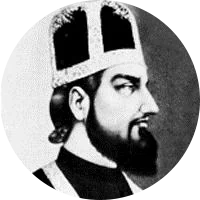
Penned by Sheikh Muhammad Ibrahim Zauq ('Khaqani-e-Hind'), the royal court poet and ustad of Emperor Bahadur Shah Zafar, this ghazal captures the psychological exhaustion of mortal existence. In its immortal opening line—'Ab to ghabra ke yeh kehte hain ke mar jayenge / Mar ke bhi chain na paaya to kidhar jayenge'—Zauq contemplates the grim paradox of longing for death as an escape, while trembling at the terrifying possibility that even death might offer no peace.
اب تو گھبرا کے یہ کہتے ہیں کہ مر جائیں گے
مر کے بھی چین نہ پایا تو کدھر جائیں گے
Ab to ghabra ke yeh kehte hain ke mar jayenge
Mar ke bhi chain na paaya to kidhar jayenge
ہم نہ ہوں گے تو گردشِ دوراں ہوگی
کس کی آنکھوں میں یہ جلوے اتر جائیں گے
Hum na hon ge to abas gardish-e-dauran hogi
Kis ki aankhon mein yeh jalwe utar jayenge
شمع کی طرح سے ہم بزم میں آئے تھے کبھی
داغ بن کر ترے سینے میں اتر جائیں گے
Shama ki tarah se hum bazm mein aaye the kabhi
Daagh ban kar tere seene mein utar jayenge
ہم نشیں کچھ تو بتا خاکِ نشینوں کا پتا
سوئے صحرا کہ سوئے کوئے صنم جائیں گے
Ham-nasheen kuch to bata khaak-nasheenon ka pata
Soo-e-sehra ke soo-e-koo-e-sanam jayenge
ذوقؔ جو ہم پہ گزری ہے سو گزری ہے مگر
تیرے کوچے سے یہ دیوانے کدھر جائیں گے
Zauq jo hum pe guzri hai so guzri hai magar
Tere kooche se yeh deewane kidhar jayenge
Ab to ghabra ke yeh kehte hain ke mar jayenge
Mar ke bhi chain na paaya to kidhar jayenge

Hum na hon ge to abas gardish-e-dauran hogi
Kis ki aankhon mein yeh jalwe utar jayenge

Shama ki tarah se hum bazm mein aaye the kabhi
Daagh ban kar tere seene mein utar jayenge

Ham-nasheen kuch to bata khaak-nasheenon ka pata
Soo-e-sehra ke soo-e-koo-e-sanam jayenge

Zauq jo hum pe guzri hai so guzri hai magar
Tere kooche se yeh deewane kidhar jayenge
In utter distress we now cry out: 'We shall die and end it all!'; Yet if even in death we find no tranquil peace, whither shall we go? When we are no more, the relentless turning of the heavens will be futile; Into whose admiring eyes will these captivating spectacles ever descend? Like a burning candle, we once entered the glowing assembly; Now like an indelible scar of grief, we shall sink deep into your chest! O companion, tell me some news of the wanderers who sleep upon the dust; Shall they journey toward the wild desert, or turn toward the beloved's street? Whatever agony has befallen us, O Zauq, has passed and been endured; Yet having departed from your beloved alley, where can these madmen ever turn?
Zauq questions the finality of death itself. When mortals become overwhelmed by suffering, they naively view the grave as a peaceful refuge; but Zauq points out the terrifying existential uncertainty of what lies beyond. The verse depicting the lover sinking like an indelible scar into the beloved's heart immortalizes enduring remembrance.
"Ab To Ghabra Ke Yeh Kehte Hain Ke Mar Jayenge" (اب تو گھبرا کے یہ کہتے ہیں کہ مر جائیں گے) was composed by Sheikh Muhammad Ibrahim Zauq (شیخ ابراہیم ذوق). It is a classical ghazal celebrated in Urdu literature for its artistic excellence and emotional depth.
Zauq questions the finality of death itself. When mortals become overwhelmed by suffering, they naively view the grave as a peaceful refuge; but Zauq points out the terrifying existential uncertainty of what lies beyond. The verse depicting the lover sinking like an indelible scar into the beloved's heart immortalizes enduring remembrance.
Yes, Poetry in Urdu provides complete dual-script access: authentic Nastaliq Urdu calligraphy, line-by-line Roman Urdu transliteration for diaspora readers, English translation, and a difficult vocabulary glossary (Lafz-Nama).
Sheikh Muhammad Ibrahim Zauq (1789–1854) was the distinguished Poet Laureate (Khaqani-e-Hind) of the Mughal court and imperial mentor to Emperor Bahadur Shah Zafar.
View Complete Profile & KalamMore verified works to explore