
Couplet #1شعر ۱
لائی حیات آئے لے چلی چلے
اپنی خوشی نہ آئے نہ اپنی خوشی چلے
Layi hayat aaye qaza le chali chale
Apni khushi na aaye na apni khushi chale
Complete GHAZAL with English Translation, Roman Urdu & Tashreeh
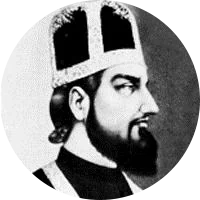
استادِ شاہ بہادر شاہ ظفر اور مغل دربار کے ملک الشعراء شیخ محمد ابراہیم ذوق کی یہ غزل انسانی تقدیر، دنیا کی بے ثباتی اور فلسفۂ حیات کا وہ لاجواب شاہکار ہے جس کا مطلع 'لائی حیات آئے قضا لے چلی چلے / اپنی خوشی نہ آئے نہ اپنی خوشی چلے' اردو زبان کا ضرب المثل بن چکا ہے۔ ذوق نے اس غزل میں انسان کے بے بس ہونے اور تقدیر کے کٹھ پتلی ہونے کا ایسا حقیقت پسندانہ نقشہ کھینچا ہے جو ہر پڑھنے والے کو محوِ حیرت کر دیتا ہے۔ ذوق کی زبان کی صفائی اور فصاحت اس غزل کو کمال کے درجے پر پہنچاتی ہے۔
Penned by Mughal Court Poet Laureate Sheikh Muhammad Ibrahim Zauq, this philosophical masterpiece is celebrated as one of the ultimate statements on human fate and mortal transience in Urdu poetics. Its opening line—'Layi hayat aaye qaza le chali chale / Apni khushi na aaye na apni khushi chale' (Life brought us here and we came; death carried us away and we depart)—is recognized as an immortal cultural proverb throughout South Asia.
لائی حیات آئے لے چلی چلے
اپنی خوشی نہ آئے نہ اپنی خوشی چلے
Layi hayat aaye qaza le chali chale
Apni khushi na aaye na apni khushi chale
بہتر تو ہے یہی کہ نہ دنیا سے دل لگے
پر کیا کریں جو کام نہ بے دل لگی چلے
Behtar to hai yehi ke na duniya se dil lage
Par kya karein jo kaam na be-dil-lagi chale
کم ہوں گے اس بساط پہ ہم جیسے بد قمار
جو چال ہم چلے سو نہایت بری چلے
Kam honge is bisaat pe hum jaise bad-qimar
Jo chaal hum chale so nihayat buri chale
ہو عمرِ خضر بھی تو کہیں گے بوقتِ مرگ
ہم کیا رہے یہاں ابھی آئے ابھی چلے
Ho umar-e-Khizr bhi to kahenge ba-waqt-e-marg
Hum kya rahe yahan abhi aaye abhi chale
دنیا نے کس کا راہِ فنا میں دیا ہے ساتھ
تم بھی چلے چلو یوں ہی جب تک چلی چلے
Duniya ne kis ka raah-e-fana mein diya hai saath
Tum bhi chale chalo yunhi jab tak chali chale
نازاں نہ ہو پہ جو ہونا ہے وہ وہی
دانش تری نہ کچھ ترے آگے چلی چلے
Naazan na ho khirad pe jo hona hai woh wohi
Daanish teri na kuch tere aage chali chale
پوچھا جو میں نے حشر کا احوال بولے ذوقؔ
اک شور ہے کہ جو نہ سنا ہے نہ دیکھا چلا چلے
Poochha jo main ne hashr ka ahwaal bole Zauq
Ik shor hai ke jo na suna hai na dekha chala chale
Layi hayat aaye qaza le chali chale
Apni khushi na aaye na apni khushi chale

Behtar to hai yehi ke na duniya se dil lage
Par kya karein jo kaam na be-dil-lagi chale

Kam honge is bisaat pe hum jaise bad-qimar
Jo chaal hum chale so nihayat buri chale

Ho umar-e-Khizr bhi to kahenge ba-waqt-e-marg
Hum kya rahe yahan abhi aaye abhi chale

Duniya ne kis ka raah-e-fana mein diya hai saath
Tum bhi chale chalo yunhi jab tak chali chale

Naazan na ho khirad pe jo hona hai woh wohi
Daanish teri na kuch tere aage chali chale

Poochha jo main ne hashr ka ahwaal bole Zauq
Ik shor hai ke jo na suna hai na dekha chala chale
Life brought us into existence and we arrived; death carries us away and we depart; Neither did we arrive by our own choice, nor do we depart by our own desire. It would surely be far better were the heart never to attach itself to this world; Yet what can one do, when survival itself cannot function without earthly engagement? Few indeed upon the chessboard of destiny are gamblers as ill-fated as we; For whichever strategic move we chose to play proved disastrous in the end. Even were one blessed with the immortal lifespan of Khidr, at the hour of death one would sigh: 'What did we ever experience here? We arrived just now, and just now we depart!' Whom has this fickle world ever accompanied to the very end on the path of oblivion? So continue walking your path in resignation, as long as breath carries you along. Do not boast of your intellect, for that which is decreed shall surely come to pass; Your human cunning will never prevail against the relentless march of fate. When I inquired of the terrifying state of the Day of Judgment, Zauq replied: 'It is an overwhelming roar—unheard, unseen—surging relentlessly forward!'
Zauq presents fatalism with sparkling courtly polish. The chessboard metaphor ('bisaat') depicts humanity as pawns against cosmic destiny. Even Khidr's immortality pales before eternity, demonstrating that all mortal spans feel like a single breath at the threshold of death.
"Layi Hayat Aaye Qaza Le Chali Chale" (لائی حیات آئے قضا لے چلی چلے) was composed by Sheikh Muhammad Ibrahim Zauq (شیخ ابراہیم ذوق). It is a classical ghazal celebrated in Urdu literature for its artistic excellence and emotional depth.
Zauq presents fatalism with sparkling courtly polish. The chessboard metaphor ('bisaat') depicts humanity as pawns against cosmic destiny. Even Khidr's immortality pales before eternity, demonstrating that all mortal spans feel like a single breath at the threshold of death.
Yes, Poetry in Urdu provides complete dual-script access: authentic Nastaliq Urdu calligraphy, line-by-line Roman Urdu transliteration for diaspora readers, English translation, and a difficult vocabulary glossary (Lafz-Nama).
Sheikh Muhammad Ibrahim Zauq (1789–1854) was the distinguished Poet Laureate (Khaqani-e-Hind) of the Mughal court and imperial mentor to Emperor Bahadur Shah Zafar.
View Complete Profile & KalamMore verified works to explore