
Couplet #1شعر ۱
پیدا شعاعِ مہر کی جب ہوئی
تاریک رات کی صفِ ظلمت کٹی گئی
Paida shua-e-mehr ki miqraaz jab hui
Taareek raat ki saff-e-zulmat kati gayi
Complete MARSIYA with English Translation, Roman Urdu & Tashreeh
میر ببر علی انیس کا یہ بند طلوعِ آفتاب اور صبحِ عاشور کے دلدوز منظر کی مصوری کا بے مثال شاہکار ہے۔ انیس نے شعاعِ مہر کو مقراض (قینچی) سے تشبیہ دے کر رات کی تاریکی کٹنے اور میدانِ کربلا پر حق و باطل کے آخری معرکے کی تصویر کھینچی ہے۔
Paida Shua-e-Mehr Ki Miqraz Jab Hui is Mir Anees's majestic marsiya passage depicting the tragic dawn of Ashura. Employing sublime celestial imagery of sunlight cutting through night's darkness, Anees captures the fateful morning on the plains of Karbala.
پیدا شعاعِ مہر کی جب ہوئی
تاریک رات کی صفِ ظلمت کٹی گئی
Paida shua-e-mehr ki miqraaz jab hui
Taareek raat ki saff-e-zulmat kati gayi
روشن ہوا افق تو سحر مسکرانے لگی
نورِ خدا کی جلوہ نمائی چمک اٹھی
Roshan hua ufuq to sahar muskuraane lagi
Noor-e-Khuda ki jalwa-numaai chamak uthi
پھیلا اجالا کرب و بلا کی زمین پر
تڑپے امامِ تشنہ دہاں اس زمیں پر
Phaila ujaala Karb-o-Bala ki zameen par
Tadpe Imam-e-tishna-dahan us zameen par
حق کی صدا بلند ہوئی نیزہ زار میں
خوشبو بکھر گئی ہے غمِ روزگار میں
Haqq ki sada buland hui neza-zaar mein
Khushboo bikhar gayi hai gham-e-rozgaar mein
انیسؔ اس سحر کا ہے ماتم جہان میں
اک ہے دیدۂ اشکِ رواں میں
Anees is sahar ka hai maatam jahaan mein
Ik kehkashaan hai deeda-e-ashk-e-rawaan mein
Paida shua-e-mehr ki miqraaz jab hui
Taareek raat ki saff-e-zulmat kati gayi
Roshan hua ufuq to sahar muskuraane lagi
Noor-e-Khuda ki jalwa-numaai chamak uthi

Phaila ujaala Karb-o-Bala ki zameen par
Tadpe Imam-e-tishna-dahan us zameen par
Haqq ki sada buland hui neza-zaar mein
Khushboo bikhar gayi hai gham-e-rozgaar mein

Anees is sahar ka hai maatam jahaan mein
Ik kehkashaan hai deeda-e-ashk-e-rawaan mein
When the sharp scissors of the sun's morning ray emerged on high: The dense, suffocating ranks of nocturnal darkness were sliced asunder! The horizon turned luminous, and radiant morning began to smile; The dazzling manifestation of Divine Light shone forth! A stark light spread across the scorching plain of Karbala, Where the thirsty-lipped Imam stood in steadfast resolve upon that sacred earth! The defiant proclamation of eternal Truth echoed amidst the forest of enemy spears; A heavenly fragrance blossomed amidst the world's most tragic mourning! The entire mortal cosmos mourns this tragic dawn, O Anees: A celestial galaxy of flowing tears glimmers in every weeping eye!
The dawn of Ashura, cosmic imagery of sunrise over Karbala, and the immortal martyrdom of Imam Hussain. In this revered marsiya, Mir Anees weaves intricate emotional realism with classical lyrical cadence. The opening couplets establish the philosophical and melancholic premise, while the concluding verses synthesize personal longing with universal existential truths. Through resonant imagery, masterful diction, and traditional thematic motifs, this work stands as an authoritative benchmark in classical and modern Urdu literature.
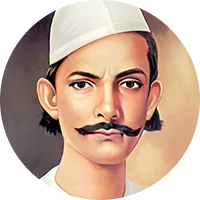
"Paida Shua-e-Mehr Ki Miqraz Jab Hui" (پیدا شعاعِ مہر کی مقراض جب ہوئی) was composed by Mir Babar Ali Anees (میر انیس). It is a classical marsiya celebrated in Urdu literature for its artistic excellence and emotional depth.
The dawn of Ashura, cosmic imagery of sunrise over Karbala, and the immortal martyrdom of Imam Hussain. In this revered marsiya, Mir Anees weaves intricate emotional realism with classical lyrical cadence. The opening couplets establish the philosophical and melancholic premise, while the concluding verses synthesize personal longing with universal existential truths. Through resonant imagery, masterful diction, and traditional thematic motifs, this work stands as an authoritative benchmark in c
Yes, Poetry in Urdu provides complete dual-script access: authentic Nastaliq Urdu calligraphy, line-by-line Roman Urdu transliteration for diaspora readers, English translation, and a difficult vocabulary glossary (Lafz-Nama).
Mir Babar Ali Anees (1803–1874) was a monumental 19th-century Urdu poet. Revered alongside Mir Taqi Mir as 'Khuda-e-Sukhan' (God of Poetics), he brought the Urdu Marsiya and Musaddas to unrivaled linguistic perfection.
View Complete Profile & KalamMore verified works to explore