
Couplet #1شعر ۱
ہوائے فردِ گل ہے اور ہے
بہارِ جاں فزا ہے اور ہے
Hawa-e-fard-e-gul hai aur chaman hai
Bahaar-e-jaan-faza hai aur chaman hai
Complete GHAZAL with English Translation, Roman Urdu & Tashreeh
خواجہ حیدر علی آتشؔ کی یہ غزل دبستانِ لکھنؤ کے نشاطیہ رنگ، بہاریہ مناظر اور مرصع زبان کا پرلطف شاہکار ہے۔ آتش کے کلام میں لکھنؤ کی نازک خیالی کے ساتھ ساتھ ایک قلندرانہ مستی پائی جاتی ہے جو ان کے کلام کو حیات آفریں بناتی ہے۔
Hawa-e-Fard-e-Gul Hai Aur Chaman Hai is Khwaja Haidar Ali Atish's vibrant springtime ghazal from the Lucknow school of poetry. Known for linguistic ornament, musical rhythm, and bohemian optimism, Atish celebrates the joyful pageant of nature and companionship.
ہوائے فردِ گل ہے اور ہے
بہارِ جاں فزا ہے اور ہے
Hawa-e-fard-e-gul hai aur chaman hai
Bahaar-e-jaan-faza hai aur chaman hai
لبِ جو بادہ کی روانی
سرودِ و ہے
Lab-e-joo mauj-e-baada ki rawaani
Surood-e-andaleeb-o-nastaran hai
نہ فکرِ گردشِ گردوں ہے ہم کو
کہ جلوہ گر اندر ہے
Na fikr-e-gardish-e-gardoon hai hum ko
Ke saaqi jalwa-gar andar chaman hai
آتشؔ اس باغِ ہستی میں غنیمت
کہ یہ سیرِ حیات و انجمن ہے
Atish is baagh-e-hasti mein ghaneemat
Ke yeh sair-e-hayaat-o-anjuman hai
Hawa-e-fard-e-gul hai aur chaman hai
Bahaar-e-jaan-faza hai aur chaman hai

Lab-e-joo mauj-e-baada ki rawaani
Surood-e-andaleeb-o-nastaran hai

Na fikr-e-gardish-e-gardoon hai hum ko
Ke saaqi jalwa-gar andar chaman hai

Atish is baagh-e-hasti mein ghaneemat
Ke yeh sair-e-hayaat-o-anjuman hai
The fragrant breeze of rose petals stirs, and the lush garden flourishes: The life-bestowing splendor of spring reigns, and the garden flourishes! Along the stream's edge ripples the clear flowing current like vintage wine; While the melodious song of the nightingale and white wild-rose resonates! No anxiety regarding the treacherous turning of the sky haunts us now: For the radiant Cupbearer Himself stands manifesting within the garden! Cherish this as an invaluable blessing inside this garden of existence, O Atish: That this enchanting promenade of life and courtly companionship has been granted!
Springtime ecstasy, forgetting worldly troubles in the presence of the Cupbearer, and cherishing the promenade of life. In this revered ghazal, Khwaja Haidar Ali Atish weaves intricate emotional realism with classical lyrical cadence. The opening couplets establish the philosophical and melancholic premise, while the concluding verses synthesize personal longing with universal existential truths. Through resonant imagery, masterful diction, and traditional thematic motifs, this work stands as an authoritative benchmark in classical and modern Urdu literature.
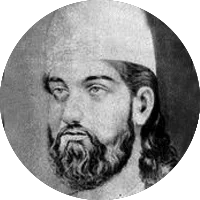
"Hawa-e-Fard-e-Gul Hai Aur Chaman Hai" (ہوائے فردِ گل ہے اور چمن ہے) was composed by Khwaja Haidar Ali Atish (خواجہ حیدر علی آتش). It is a classical ghazal celebrated in Urdu literature for its artistic excellence and emotional depth.
Springtime ecstasy, forgetting worldly troubles in the presence of the Cupbearer, and cherishing the promenade of life. In this revered ghazal, Khwaja Haidar Ali Atish weaves intricate emotional realism with classical lyrical cadence. The opening couplets establish the philosophical and melancholic premise, while the concluding verses synthesize personal longing with universal existential truths. Through resonant imagery, masterful diction, and traditional thematic motifs, this work stands as an
Yes, Poetry in Urdu provides complete dual-script access: authentic Nastaliq Urdu calligraphy, line-by-line Roman Urdu transliteration for diaspora readers, English translation, and a difficult vocabulary glossary (Lafz-Nama).
Khwaja Haidar Ali Atish (1778–1848) was one of the two titans of the classical Lucknow school alongside Nasikh, renowned for vibrant verbal opulence, romantic optimism, and soldierly pride.
View Complete Profile & KalamMore verified works to explore
ستاروں سے آگے جہاں اور بھی ہیں (مکمل غزل)
Sitaron Se Aage Jahan Aur Bhi Hain (Complete Ghazal) — Allama Iqbal
دلِ ناداں تجھے ہوا کیا ہے (مکمل غزل)
Dil-e-Nadan Tujhe Hua Kya Hai (Complete Ghazal) — Mirza Ghalib
ہزاروں خواہشیں ایسی کہ ہر خواہش پہ دم نکلے (مکمل غزل)
Hazaron Khwahishen Aisi (Complete Ghazal) — Mirza Ghalib