
Couplet #1شعر ۱
ارض و سما کہاں تری کو پا سکے
میرا ہی دل ہے وہ کہ جہاں تو سما سکے
Arz-o-sama kahan teri wus'at ko pa sake
Mera hi dil hai woh ke jahan tu sama sake
Complete GHAZAL with English Translation, Roman Urdu & Tashreeh
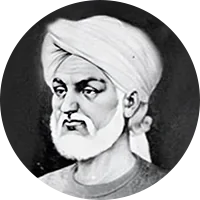
خواجہ میر درد دہلی کے عظیم صوفی شاعر ہیں جن کے ہاں معرفتِ الٰہی اور تصوف کا نور جھلکتا ہے۔ ان کی یہ غزل حدیثِ قدسی 'ما وسعنی ارضی ولا سمائی ولکن وسعنی قلب عبدی المومن' (نہ میری زمین میں میری گنجائش ہے اور نہ میرے آسمان میں، مگر میرے مومن بندے کا دل مجھے سمیٹ لیتا ہے) کی خوبصورت ترین منظوم تشریح ہے۔ درد فرماتے ہیں کہ پوری کائنات جس رب کے جاہ و جلال کو سمیٹنے سے قاصر ہے، وہ محبت کرنے والے انسان کے دل میں جلوہ گر ہوتا ہے۔
From Khwaja Mir Dard, the premier Sufi mystic of classical Delhi Urdu, this transcendent metaphysical ghazal serves as a poetic commentary on the famous Hadith Qudsi where the Divine proclaims: 'Neither My earth nor My heavens can contain Me, but the heart of My faithful believer contains Me.' Dard explores the supreme dignity of the human heart as the exclusive earthly sanctuary capable of hosting the infinite presence of God.
ارض و سما کہاں تری کو پا سکے
میرا ہی دل ہے وہ کہ جہاں تو سما سکے
Arz-o-sama kahan teri wus'at ko pa sake
Mera hi dil hai woh ke jahan tu sama sake
میں تیری حرف نہ آئے گا اے خدا
گر کثرتِ جہاں سے کوئی تجھ کو پا سکے
Wahdat mein teri harf na aayega ae Khuda
Gar kasrat-e-jahan se koi tujh ko pa sake
ہر چند دیکھتا ہوں تجھے ہر مکان میں
لا مکاں ہے وہ جو تری دید پا سکے
Har-chand dekhta hoon tujhe har makaan mein
La-makaan hai woh jo teri deed pa sake
دردؔ اب تو دل کی بات کا رہنا محال ہے
شاید کوئی نہ رازِ الٰہی چھپا سکے
Dard ab to dil ki baat ka rehna muhaal ہے
Shayad koi na raaz-e-ilaahi chhupa sake
Arz-o-sama kahan teri wus'at ko pa sake
Mera hi dil hai woh ke jahan tu sama sake

Wahdat mein teri harf na aayega ae Khuda
Gar kasrat-e-jahan se koi tujh ko pa sake

Har-chand dekhta hoon tujhe har makaan mein
La-makaan hai woh jo teri deed pa sake

Dard ab to dil ki baat ka rehna muhaal ہے
Shayad koi na raaz-e-ilaahi chhupa sake
Where could the boundless earth and heavens ever measure Your infinite expanse? It is my humble heart alone in which You deign to reside! No flaw shall ever touch Your absolute Oneness, O God, Even if someone discovers You through the myriad multiplicity of this universe! Though I perceive Your glory reflected in every earthly abode, Transcendental is that realm beyond space where one may truly behold Your face! It is now impossible, O Dard, to conceal the overflowing secret of the heart; For no soul can forever hide the bursting mysteries of the Divine!
Mir Dard presents the sublime Sufi doctrine of Wahdat-ul-Wujud. While the physical cosmos cannot encompass the Divine, the purified human heart becomes the ultimate mirror reflecting God's presence. In the maqta, Dard acknowledges that mystical intimacy with God eventually bursts forth, defying concealment.
"Arz-o-Sama Kahan Teri Wus'at Ko Pa Sake" (ارض و سما کہاں تری وسعت کو پا سکے میرا ہی دل ہے وہ کہ جہاں تو سما سکے) was composed by Khwaja Mir Dard (خواجہ میر درد). It is a classical ghazal celebrated in Urdu literature for its artistic excellence and emotional depth.
Mir Dard presents the sublime Sufi doctrine of Wahdat-ul-Wujud. While the physical cosmos cannot encompass the Divine, the purified human heart becomes the ultimate mirror reflecting God's presence. In the maqta, Dard acknowledges that mystical intimacy with God eventually bursts forth, defying concealment.
Yes, Poetry in Urdu provides complete dual-script access: authentic Nastaliq Urdu calligraphy, line-by-line Roman Urdu transliteration for diaspora readers, English translation, and a difficult vocabulary glossary (Lafz-Nama).
Khwaja Mir Dard (1721–1785) was one of the four pillars (Chaar Sutoon) of classical Urdu poetry in Delhi, celebrated as the peerless master of Sufi mysticism (Tasawwuf) in the Urdu ghazal.
View Complete Profile & KalamMore verified works to explore