
Couplet #1شعر ۱
دوستو دیکھا تماشا یہاں کا بس
تم رہو خوش ہم تو اپنے گھر چلے
Dosto dekha tamasha yahan ka bas
Tum raho khush hum to apne ghar chale
Complete GHAZAL with English Translation, Roman Urdu & Tashreeh
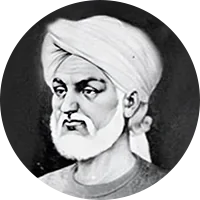
خواجہ میر درد دہلی کے عظیم صوفی شاعر اور اردو غزل میں تصوف کے امام ہیں۔ ان کی یہ غزل دنیا کی بے ثباتی، انسانی بے بسی اور ابدی گھر (آخرت) کی طرف واپسی کا فلسفیانہ اور سوز و گداز سے بھرا کلام ہے۔ شعر 'زندگی ہے یا کوئی طوفان ہے' اردو زبان کی تاریخ کے چند بااثر ترین اور مقبول ترین اشعار میں شمار ہوتا ہے۔
Khwaja Mir Dard is hailed as the supreme saint-poet of classical Urdu literature. 'Dosto Dekha Tamasha Yahan Ka Bas' is an immortal meditation on existential transience, cosmic homelessness, and spiritual homecoming. Its second verse ('Zindagi hai ya koi toofan hai') remains South Asia's most poignant expression of the exhaustion and melancholy inherent in human mortality.
دوستو دیکھا تماشا یہاں کا بس
تم رہو خوش ہم تو اپنے گھر چلے
Dosto dekha tamasha yahan ka bas
Tum raho khush hum to apne ghar chale
زندگی ہے یا کوئی طوفان ہے
ہم تو اس جینے کے ہاتھوں مر چلے
Zindagi hai ya koi toofan hai
Hum to is jeene ke haathon mar chale
شمع کی مانند ہم اس بزم میں
چشمِ نم آئے تھے دامن تر چلے
Shama ki maanind hum is bazm mein
Chashm-e-nam aaye thay daaman tar chale
ڈھونڈتے ہیں آپ سے اس کو پرے
شیخ صاحب چھوڑ کر گھر در چلے
Dhoondte hain aap se us ko pare
Sheikh sahab chhod kar ghar dar chale
دردؔ کچھ معلوم ہے یہ لوگ سب
کس طرف آئے تھے اور کیدھر چلے
Dard kuch maaloom hai yeh log sab
Kis taraf aaye thay aur kidhar chale
Dosto dekha tamasha yahan ka bas
Tum raho khush hum to apne ghar chale

Zindagi hai ya koi toofan hai
Hum to is jeene ke haathon mar chale

Shama ki maanind hum is bazm mein
Chashm-e-nam aaye thay daaman tar chale

Dhoondte hain aap se us ko pare
Sheikh sahab chhod kar ghar dar chale

Dard kuch maaloom hai yeh log sab
Kis taraf aaye thay aur kidhar chale
Friends, we have seen enough of this worldly masquerade; May you abide in your transient joy—we take leave toward our true home! Is this existence truly life, or an unrelenting tempest? We are perishing at the merciless hands of this very living! Like a candle in this mortal assembly, We arrived with moist eyes and departed with tears soaking our hem! They seek Him everywhere beyond their own self; The pious ascetics wander, having abandoned their homes! O Dard, does anyone possess knowledge of these wandering throngs: Whence did they arrive into this world, and whither do they vanish?
In this foundational Sufi ghazal, Khwaja Mir Dard treats worldly existence as an illusory theater. The lover-mystic declares his peaceful retirement from worldly folly to return to the eternal sanctuary of the Creator. The candle metaphor encapsulates the human condition: kindled in fire, shedding tears throughout the night, and extinguished into silence at dawn.
"Dosto Dekha Tamasha Yahan Ka Bas (Hum To Apne Ghar Chale)" (دوستو دیکھا تماشا یہاں کا بس) was composed by Khwaja Mir Dard (خواجہ میر درد). It is a classical ghazal celebrated in Urdu literature for its artistic excellence and emotional depth.
In this foundational Sufi ghazal, Khwaja Mir Dard treats worldly existence as an illusory theater. The lover-mystic declares his peaceful retirement from worldly folly to return to the eternal sanctuary of the Creator. The candle metaphor encapsulates the human condition: kindled in fire, shedding tears throughout the night, and extinguished into silence at dawn.
Yes, Poetry in Urdu provides complete dual-script access: authentic Nastaliq Urdu calligraphy, line-by-line Roman Urdu transliteration for diaspora readers, English translation, and a difficult vocabulary glossary (Lafz-Nama).
Khwaja Mir Dard (1721–1785) was one of the four pillars (Chaar Sutoon) of classical Urdu poetry in Delhi, celebrated as the peerless master of Sufi mysticism (Tasawwuf) in the Urdu ghazal.
View Complete Profile & KalamMore verified works to explore