
Couplet #1شعر ۱
ہم تجھ سے کس میں التجا کریں
جب دل میں ہے خدا تو کسے رہنما کریں
Hum tujh se kis hawas mein falak iltija karein
Jab dil mein hai Khuda to kise rehnuma karein
Complete GHAZAL with English Translation, Roman Urdu & Tashreeh
خواجہ میر درد کی یہ غزل درویشانہ بے نیازی اور فلکِ کج رفتار کے سامنے دستِ سوال دراز کرنے سے مکمل انکار کا اعلان ہے۔ درد صوفیائے کرام کے اس بلند مرتبے پر فائز ہیں جہاں خدا کے سوا کسی سے کچھ مانگنا شرکِ محبت سمجھا جاتا ہے۔
Hum Tujh Se Kis Hawas Mein Falak Iltija Karein is Khwaja Mir Dard's proud declaration of Sufi self-sufficiency (Faqr). Refusing to beg from the turning heavens or covet worldly wealth, Dard finds total fulfillment in the Divine presence within.
ہم تجھ سے کس میں التجا کریں
جب دل میں ہے خدا تو کسے رہنما کریں
Hum tujh se kis hawas mein falak iltija karein
Jab dil mein hai Khuda to kise rehnuma karein
دنیا کی نعمتوں کا طلب گار کون ہو
ہم تو فقیر ہیں ترے در کی کریں
Duniya ki ne'maton ka talabgaar kaun ho
Hum to faqeer hain tere dar ki gada karein
جلوہ دکھا کے اس نے چھپایا نقاب میں
اب ہم کسے پکاریں کسے کریں
Jalwa dikha ke us ne chhupaaya naqaab mein
Ab hum kise pukaarein kise mubtila karein
دردؔ اپنے دل کے داغ کی رونق ہے
اس انجمن کو ہم نہ کبھی بے ضیا کریں
Dard apne dil ke daagh ki raunaq hai jaawidaan
Is anjuman ko hum na kabhi be-ziya karein
Hum tujh se kis hawas mein falak iltija karein
Jab dil mein hai Khuda to kise rehnuma karein

Duniya ki ne'maton ka talabgaar kaun ho
Hum to faqeer hain tere dar ki gada karein

Jalwa dikha ke us ne chhupaaya naqaab mein
Ab hum kise pukaarein kise mubtila karein

Dard apne dil ke daagh ki raunaq hai jaawidaan
Is anjuman ko hum na kabhi be-ziya karein
Out of what greedy lust should we ever make supplications to the turning sky, O heavens? When God Himself abides within the heart, whom else need we appoint as our guiding leader? Who could ever remain an eager beggar for the transient riches of this mortal world? We are contented dervishes seeking only the sacred alms of Your holy doorway! Manifesting a fleeting glimpse of beauty, He concealed Himself once again behind the veil: Whom should we summon now, and who else could we ever allow this heart to be captive to? The radiant luster of this wounded scar upon our heart is eternal, O Dard: May we never allow this divine inner sanctuary to become deprived of luminous light!
Mystic self-sufficiency, rejecting worldly begging, and eternal contentment in divine presence. In this revered ghazal, Khwaja Mir Dard weaves intricate emotional realism with classical lyrical cadence. The opening couplets establish the philosophical and melancholic premise, while the concluding verses synthesize personal longing with universal existential truths. Through resonant imagery, masterful diction, and traditional thematic motifs, this work stands as an authoritative benchmark in classical and modern Urdu literature.
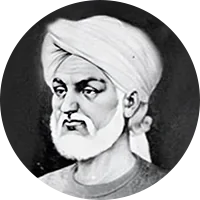
"Hum Tujh Se Kis Hawas Mein Falak Iltija Karein" (ہم تجھ سے کس ہوس میں فلک التجا کریں) was composed by Khwaja Mir Dard (خواجہ میر درد). It is a classical ghazal celebrated in Urdu literature for its artistic excellence and emotional depth.
Mystic self-sufficiency, rejecting worldly begging, and eternal contentment in divine presence. In this revered ghazal, Khwaja Mir Dard weaves intricate emotional realism with classical lyrical cadence. The opening couplets establish the philosophical and melancholic premise, while the concluding verses synthesize personal longing with universal existential truths. Through resonant imagery, masterful diction, and traditional thematic motifs, this work stands as an authoritative benchmark in clas
Yes, Poetry in Urdu provides complete dual-script access: authentic Nastaliq Urdu calligraphy, line-by-line Roman Urdu transliteration for diaspora readers, English translation, and a difficult vocabulary glossary (Lafz-Nama).
Khwaja Mir Dard (1721–1785) was one of the four pillars (Chaar Sutoon) of classical Urdu poetry in Delhi, celebrated as the peerless master of Sufi mysticism (Tasawwuf) in the Urdu ghazal.
View Complete Profile & KalamMore verified works to explore