
Couplet #1شعر ۱
جگ میں آ کر عجب کام کر چلے
ہم تو دل کا سکوں تمام کر چلے
Jag mein aa kar ajeeb kaam kar chale
Hum to dil ka sakoon tamaam kar chale
Complete GHAZAL with English Translation, Roman Urdu & Tashreeh
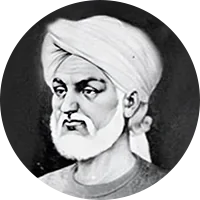
خواجہ میر درد (1721–1785) دہلی کے صوفی شعراء کے سرتاج مانے جاتے ہیں۔ ان کی یہ مختصر مگر معنی خیز غزل صوفیانہ فکر، دنیا کی بے ثباتی اور وحدت الشہود کا مظہر ہے۔ دردؔ نے خانقاہی روایت کو غزل کی زبان میں سمو کر وہ پاکیزگی عطا کی جو اردو شاعری میں نایاب ہے۔ یہ غزل انسان کے دنیاوی سفر، خواہشات کے ترک اور عشقِ حقیقی کے آگے مکمل سپردگی کا درس دیتی ہے۔
Khwaja Mir Dard's 'Jag Mein Aa Kar Ajeeb Kaam Kar Chale' is a quintessential masterpiece of classical Delhi Sufi lyricism. Unlike courtly poets seeking royal patronage, Dard spent his entire life in his ancestral mystical sanctuary in Delhi. This ghazal encapsulates the Sufi discipline of 'Fana' (annihilation of ego and material desire) in favor of total immersion in the contemplation of Divine beauty.
جگ میں آ کر عجب کام کر چلے
ہم تو دل کا سکوں تمام کر چلے
Jag mein aa kar ajeeb kaam kar chale
Hum to dil ka sakoon tamaam kar chale
آرزوئیں تھیں دل میں ہزارہا
اک اک کر کے سب کو سلام کر چلے
Aarzooein theen dil mein hazaar-ha
Ik ik kar ke sab ko salaam kar chale
کچھ نہ دیکھا سوائے جلوۂ یار
دیدہ و دل کو اس کا غلام کر چلے
Kuch na dekha siwaaye jalwa-e-yaar
Deedah-o-dil ko us ka ghulam kar chale
دردؔ دنیا کی بزم سے ہم تو
جامِ الفت کا دور تمام کر چلے
Dard dunya ki bazm se hum to
Jaam-e-ulfat ka daur tamaam kar chale
Jag mein aa kar ajeeb kaam kar chale
Hum to dil ka sakoon tamaam kar chale

Aarzooein theen dil mein hazaar-ha
Ik ik kar ke sab ko salaam kar chale

Kuch na dekha siwaaye jalwa-e-yaar
Deedah-o-dil ko us ka ghulam kar chale

Dard dunya ki bazm se hum to
Jaam-e-ulfat ka daur tamaam kar chale
Having arrived into this transient mortal realm, what a strange quest we undertook; We expended the entire serenity of our heart in contemplation of the Divine! Thousands upon thousands of worldly desires once resided within our chest; Yet one by one, we bade farewell and offered our final peace to them all. We witnessed naught across existence except the radiant splendor of the Beloved; Surrendering both sight and soul as joyful captives to His transcendent majesty. O Dard, departing from the banquet of this transient mortal world, We have drained and completed the sacred goblet of spiritual devotion!
This mystical ghazal traces the soul's journey from worldly attachment to absolute divine contemplation. The opening couplet presents the Sufi's ironic achievement: while ordinary mortals strive for physical security and wealth, the mystic willingly expends the serenity of his heart in the burning ecstasy of divine longing. The second couplet describes the deliberate renunciation of earthly ambition: bowing respectfully and bidding farewell to thousands of worldly desires that distract from the eternal. The closing stanzas celebrate divine immanence: recognizing nothing in all creation save the radiant reflection of the Creator, the seeker departs from the worldly banquet having fulfilled the sacred vow of divine love.
"Jag Mein Aa Kar Ajeeb Kaam Kar Chale" (جگ میں آ کر عجب کام کر چلے) was composed by Khwaja Mir Dard (خواجہ میر درد). It is a classical ghazal celebrated in Urdu literature for its artistic excellence and emotional depth.
This mystical ghazal traces the soul's journey from worldly attachment to absolute divine contemplation. The opening couplet presents the Sufi's ironic achievement: while ordinary mortals strive for physical security and wealth, the mystic willingly expends the serenity of his heart in the burning ecstasy of divine longing. The second couplet describes the deliberate renunciation of earthly ambition: bowing respectfully and bidding farewell to thousands of worldly desires that distract from th
Yes, Poetry in Urdu provides complete dual-script access: authentic Nastaliq Urdu calligraphy, line-by-line Roman Urdu transliteration for diaspora readers, English translation, and a difficult vocabulary glossary (Lafz-Nama).
Khwaja Mir Dard (1721–1785) was one of the four pillars (Chaar Sutoon) of classical Urdu poetry in Delhi, celebrated as the peerless master of Sufi mysticism (Tasawwuf) in the Urdu ghazal.
View Complete Profile & KalamMore verified works to explore