
Couplet #1شعر ۱
مدرسہ یا تھا یا کعبہ یا بت خانہ تھا
ہم سبھی مہماں تھے واں اک تو ہی صاحب خانہ تھا
Madrasa ya dair tha ya Kaaba ya but-khaana tha
Hum sabhi mehmaan thay waan ik tu hi saahib-e-khaana tha
Complete GHAZAL with English Translation, Roman Urdu & Tashreeh
خواجہ میر دردؔ دہلوی کی یہ غزل وحدت الوجود اور صوفیانہ ہمہ اوست کا سب سے تابناک شاہکار ہے۔ درد نے کعبہ، دیر اور بت خانے کے ظاہری امتیازات کو مٹا کر تمام کائنات کو خدا کا گھر اور انسانوں کو اس کا مہمان قرار دیا ہے، اور اصل حقیقت کو انسان کے اپنے دل میں دریافت کیا ہے۔
Madrasa Ya Dair Tha Ya Kaaba Ya But-Khaana Tha is Khwaja Mir Dard's immortal Sufi masterpiece on mystical oneness (Wahdat al-Wujud). Transcending outer sectarian boundaries of mosque and temple, Dard reveals that God is the sole host of existence, residing within the human heart.
مدرسہ یا تھا یا کعبہ یا بت خانہ تھا
ہم سبھی مہماں تھے واں اک تو ہی صاحب خانہ تھا
Madrasa ya dair tha ya Kaaba ya but-khaana tha
Hum sabhi mehmaan thay waan ik tu hi saahib-e-khaana tha
ہر جگہ جلوہ فگن تھا حسنِ یکتائے ازل
بے خبر تھے لوگ جو سمجھے کہ یہ افسانہ تھا
Har jagah jalwa-figan tha husn-e-yaktaaye azal
Be-khabar thay log jo samjhe ke yeh afsaana tha
شمع کی صورت جلے ہم بزمِ ہستی میں سدا
ہی تھا ہمارا اور وہی تھا
Shama' ki soorat jale hum bazm-e-hasti mein sada
Sokhtan hi tha hamaara aur wohi parwaana tha
دردؔ ہم تو ڈھونڈتے ہی رہ گئے اس کو یہاں
وہ ہمارے دل کے اندر ہی مقیمِ خانہ تھا
Dard hum to dhoondte hi reh gaye us ko yahan
Woh hamaare dil ke andar hi muqeem-e-khaana tha
Madrasa ya dair tha ya Kaaba ya but-khaana tha
Hum sabhi mehmaan thay waan ik tu hi saahib-e-khaana tha

Har jagah jalwa-figan tha husn-e-yaktaaye azal
Be-khabar thay log jo samjhe ke yeh afsaana tha

Shama' ki soorat jale hum bazm-e-hasti mein sada
Sokhtan hi tha hamaara aur wohi parwaana tha

Dard hum to dhoondte hi reh gaye us ko yahan
Woh hamaare dil ke andar hi muqeem-e-khaana tha
Whether it was the scholarly seminary, the church, the holy Kaaba, or the stone idol-temple: We all were merely passing guests therein; You alone were the supreme Master of the House! Omnipresent in every place radiated the peerless beauty of the Eternal Creator: Utterly heedless were the blind mortals who thought this to be merely an invented fable! Like a weeping candle did we burn unceasingly inside this gathering of existence: To be consumed in flames was our sole fate, and He alone was the true moth! O Dard, we remained foolishly searching for Him everywhere across the outside world: While He dwelt permanently as the intimate resident right inside our very own heart!
Omnipresence of the Divine Host, transcending sectarian divisions, and finding God within one's own heart. In this revered ghazal, Khwaja Mir Dard weaves intricate emotional realism with classical lyrical cadence. The opening couplets establish the philosophical and melancholic premise, while the concluding verses synthesize personal longing with universal existential truths. Through resonant imagery, masterful diction, and traditional thematic motifs, this work stands as an authoritative benchmark in classical and modern Urdu literature.
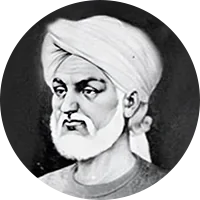
"Madrasa Ya Dair Tha Ya Kaaba Ya But-Khaana Tha" (مدرسہ یا دیر تھا یا کعبہ یا بت خانہ تھا) was composed by Khwaja Mir Dard (خواجہ میر درد). It is a classical ghazal celebrated in Urdu literature for its artistic excellence and emotional depth.
Omnipresence of the Divine Host, transcending sectarian divisions, and finding God within one's own heart. In this revered ghazal, Khwaja Mir Dard weaves intricate emotional realism with classical lyrical cadence. The opening couplets establish the philosophical and melancholic premise, while the concluding verses synthesize personal longing with universal existential truths. Through resonant imagery, masterful diction, and traditional thematic motifs, this work stands as an authoritative benchm
Yes, Poetry in Urdu provides complete dual-script access: authentic Nastaliq Urdu calligraphy, line-by-line Roman Urdu transliteration for diaspora readers, English translation, and a difficult vocabulary glossary (Lafz-Nama).
Khwaja Mir Dard (1721–1785) was one of the four pillars (Chaar Sutoon) of classical Urdu poetry in Delhi, celebrated as the peerless master of Sufi mysticism (Tasawwuf) in the Urdu ghazal.
View Complete Profile & KalamMore verified works to explore